Chinese smartphone giant Oppo has reportedly merged its sub-brands OnePlus and Realme into a new unified business unit. The move is part of a larger strategy to streamline operations and strengthen its global presence amid rising competition.
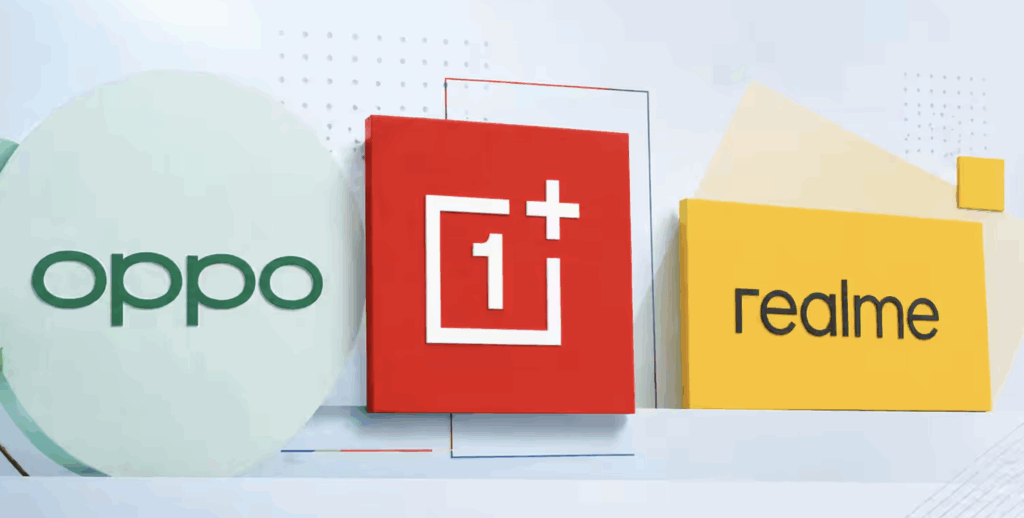
Both brands already operate under Oppo’s umbrella, but this restructuring goes a step further by integrating their core operations.
A New ‘Sub-Product Center’ Takes Charge
According to reports, the new structure will bring both brands under a shared “sub-product center”, combining their global and domestic operations.
This unit will be led by Li Jie (President of OnePlus China), who will report to Pete Lau, founder of OnePlus and a senior Oppo executive.
Additionally, product development, marketing, and after-sales services for both brands are expected to be merged, creating a more centralized decision-making system.
Why Oppo Is Making This Move
The merger comes at a time when the global smartphone market is becoming increasingly competitive and cost-sensitive. By integrating OnePlus and Realme, Oppo aims to:
- Reduce operational costs
- Improve efficiency and coordination
- Align product strategies across brands
- Strengthen presence in key markets like India and Europe
This kind of consolidation is becoming common as brands try to scale faster while controlling expenses.
Realme Becomes a Sub-Brand, OnePlus Evolves
Earlier in 2026, Realme had already moved closer to Oppo, effectively becoming a sub-brand again.
Now, with OnePlus also deeply integrated, the distinction between the two brands may blur internally—though both are expected to retain separate brand identities externally.
This means consumers will still see different branding, pricing strategies, and positioning, even if the backend operations are shared.
What This Means for Users
For consumers, this merger could bring both benefits and concerns:
Potential benefits:
- Better product optimization due to shared R&D
- Faster innovation cycles
- More competitive pricing
Possible concerns:
- Reduced brand uniqueness
- Overlapping product lineups
- Risk of internal competition (cannibalization)
Bigger Trend: Consolidation in Tech
This move reflects a larger industry trend where companies are consolidating brands to stay competitive.
Instead of running multiple independent units, companies like Oppo are moving toward integrated ecosystems—where brands share technology, supply chains, and strategies while maintaining separate identities.