Mumbai Faces a Growing Climate Threat
Mumbai is facing a serious long-term threat from rising sea levels, with a new United Nations report identifying the city among South Asia’s major urban areas at risk of permanent inundation.
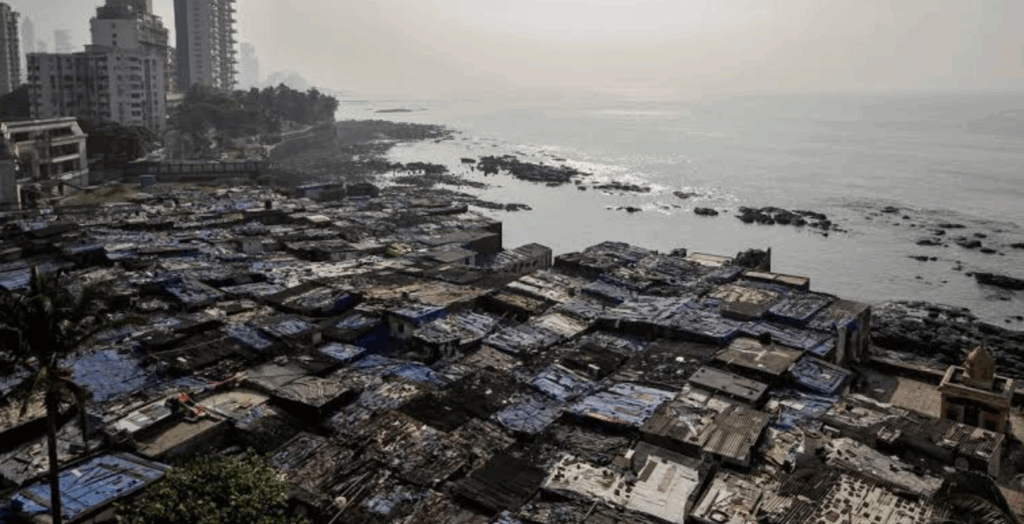
The warning places Mumbai alongside Kolkata and Dhaka, with the UN estimating that more than 14 million people across these low-lying South Asian cities could be at immediate risk of losing their homes as sea levels continue to rise.
This is not a prediction that Mumbai will suddenly disappear underwater. Instead, it highlights the growing possibility that rising seas could permanently affect low-lying parts of the city and force large-scale displacement if adaptation measures fail.
Sea Levels Are Rising Faster
The UN report points to a worrying acceleration in global sea-level rise. In 2024, global sea levels increased by 5.9 mm, compared with an average annual increase of 4.7 mm between 2014 and 2023.
Even under aggressive emissions-reduction scenarios, global sea levels are projected to rise by at least 0.5 metres by 2100. Under a worst-case scenario involving instability of the West Antarctic ice sheet, the rise could approach two metres.
For coastal cities, even relatively small increases can significantly increase the frequency and severity of flooding.
Why Mumbai Is Particularly Vulnerable
Mumbai’s geography makes the situation more complicated. The city is surrounded by the Arabian Sea on three sides and contains extensive low-lying and reclaimed land.
The threat is also being amplified by land subsidence and saltwater intrusion. Rising seas and storm surges could put additional pressure on the city’s drainage, sanitation, transport and housing systems.
Saltwater entering freshwater aquifers and coastal wells could create another major challenge for the city’s water security.
Mumbai Is Already Seeing Extreme Rainfall
The threat isn’t limited to rising seas.
Mumbai has also experienced changes in extreme rainfall patterns. BMC data indicates that the average rainfall during very heavy rainfall events has increased from 132 mm to 182 mm over the past six years.
The city recorded 28 spells of very heavy rainfall lasting four hours or more during the last decade. When intense rainfall occurs alongside high tides and rising sea levels, drainage systems can become overwhelmed much more easily.
A Previous Warning Was Even More Alarming
Mumbai’s Climate Action Plan, released by the BMC in 2021, had already highlighted the city’s vulnerability. It projected that up to 80% of Mumbai’s island city could be submerged by 2050 under its assessed climate-risk scenario.
The latest UN warning therefore adds to a growing body of evidence that Mumbai needs long-term coastal planning rather than relying solely on short-term flood-control measures.
The Need for Climate Adaptation
The UN is calling for greater attention to human displacement and social consequences when governments assess climate risks.
For Mumbai, this could mean strengthening coastal defences, improving drainage, protecting freshwater resources, redesigning vulnerable infrastructure and developing plans for communities that could eventually face relocation.
The challenge is enormous because Mumbai is not simply protecting buildings. It is protecting one of India’s most densely populated and economically important urban regions.
Summary
The United Nations has identified Mumbai as one of the South Asian megacities facing a growing risk of permanent inundation from rising sea levels. More than 14 million people across Mumbai, Kolkata and Dhaka could be at immediate risk of displacement. Mumbai’s exposure is worsened by land subsidence, saltwater intrusion, extreme rainfall and high tides, making long-term climate adaptation increasingly urgent.