From a Traffic-Choked City to a Global Transit Model
Delhi’s transformation into one of the world’s leading urban rail networks is being highlighted as an example of how a developing city can build large-scale public transport quickly and relatively affordably.
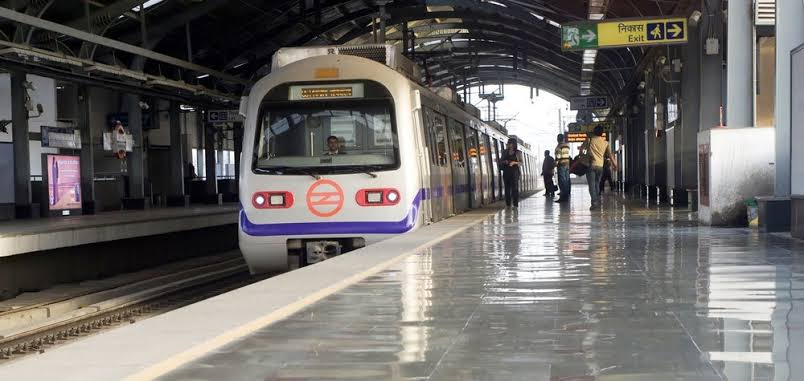
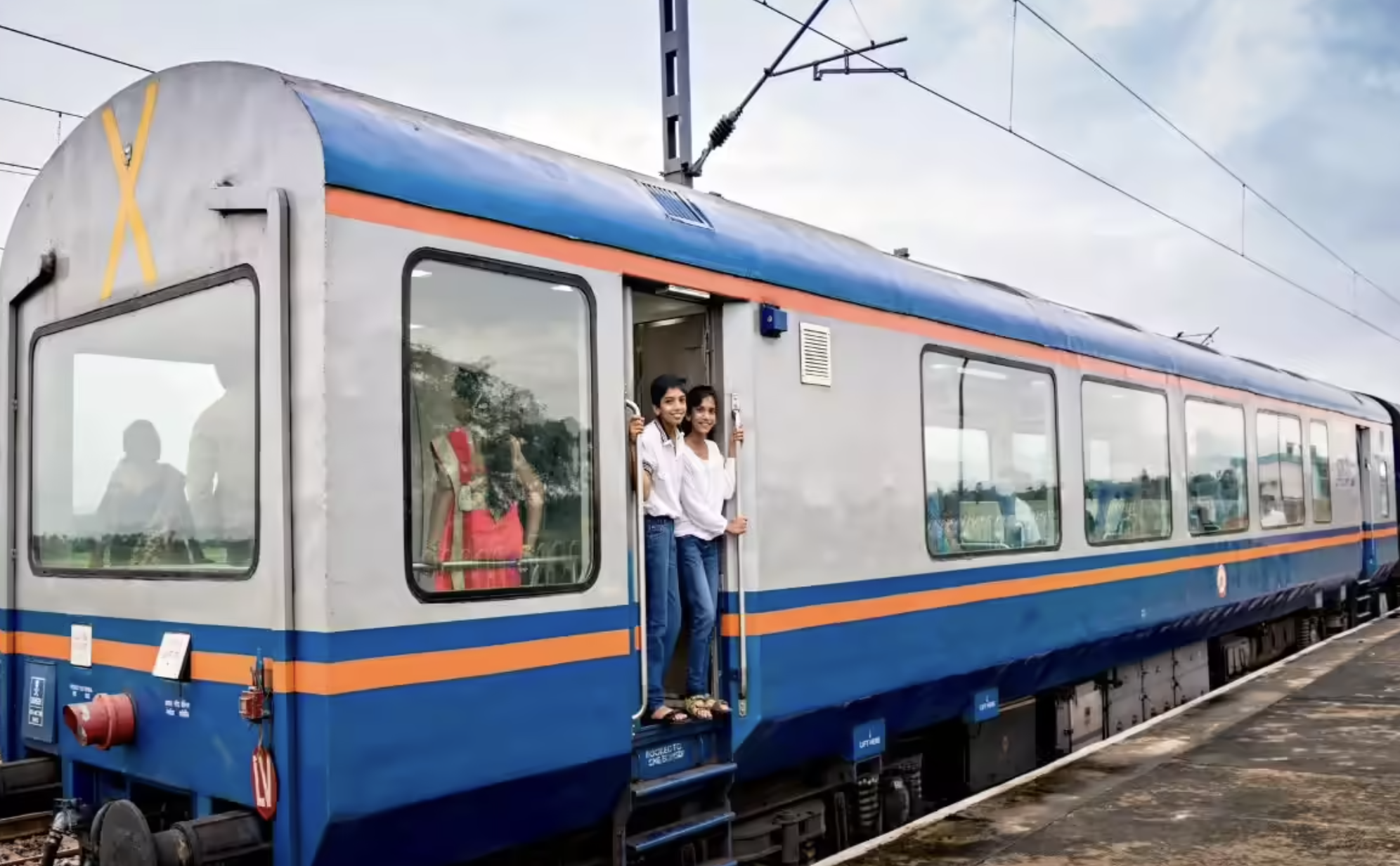
When the Delhi Metro opened in 2002, India had few examples of modern mass-transit systems operating at international standards. More than two decades later, the network has grown to around 258 miles, or 415 kilometres, with 303 stations, and carries approximately 6.5 million people every day.
In March 2026, the Delhi Metro also surpassed the New York City subway in total network length.
The “Metro Man” Who Changed the Approach
A major reason for the project’s success was the leadership of E. Sreedharan, widely known as the “Metro Man of India.”
Sreedharan established a culture centred on punctuality, professional management and strong resistance to corruption and political interference. Instead of depending entirely on foreign consultants, DMRC executives were sent to study successful metro systems around the world and bring those lessons back to India.
That approach helped Delhi build a complex railway system through one of the world’s most crowded urban environments.
Built Through a Difficult City
Constructing the Metro was far from easy. Tracks and stations had to be developed through dense residential neighbourhoods, busy markets, informal settlements and areas containing historic monuments.
Construction also resulted in displacement, requiring compensation and alternative housing for affected residents.
There were serious accidents during construction, including bridge collapses in 2008 and 2009. Despite those setbacks, the project continued expanding and gradually established a reputation for reliability.
Delhi Had to Teach People How to Use a Metro
The challenge wasn’t only construction. When the Metro opened, many residents were unfamiliar with automated ticket gates, escalators, elevators and other features of modern subway systems.
DMRC even used drama groups and street plays to explain how the new system worked.
Over time, paper tickets evolved into smart cards and then digital payment options, while stations gained toilets, restaurants, police booths and retail kiosks.
The result was a transit system that became deeply integrated into everyday life.
Why Women Especially Depend on It
The Metro has also transformed mobility for women in Delhi.
Women-only coaches, security cameras and marshals have helped create a transport option that many female commuters consider safer and more predictable than travelling by road.
The system is also highly reliable. In 2025, Delhi Metro trains reportedly operated 99.9% on time, reinforcing its reputation for punctuality.
A Surprisingly Affordable Achievement
The entire Delhi Metro network has cost roughly $10 billion, a figure that looks striking when compared with the enormous costs of urban rail projects elsewhere.
Its expansion has also produced environmental benefits. Estimates suggest the Metro keeps approximately 600,000 vehicles off Delhi’s roads, reducing both congestion and emissions.
The network is now 33% solar-powered, and its trains use technology to recover braking energy.
The Biggest Problem Is No Longer the Metro
Ironically, Delhi’s biggest public-transport challenge now lies outside the Metro.
Experts argue that the city’s bus network remains poorly integrated with the Metro, limiting the system’s ability to serve people who live far from stations or cannot afford Metro fares.
The lesson from Delhi’s success may therefore be that building a great Metro is only half the job. The next step is connecting it seamlessly with buses and other forms of transport.
A Model for Other Cities
Delhi Metro’s success has already created opportunities beyond the capital. DMRC is now involved in metro projects and consulting work in other countries and across India.
The system demonstrates that world-class public transport does not necessarily require decades of development. With disciplined management, strong planning and sustained investment, even a rapidly growing developing city can build infrastructure capable of competing with established global systems.
Summary
Delhi Metro has transformed urban mobility in India’s capital, growing from a small network launched in 2002 into a 415-km system carrying about 6.5 million passengers daily. Its success has been driven by professional management, careful planning and continuous expansion. The Metro has also become an important mobility option for women and helped reduce road traffic, although better integration with Delhi’s bus network remains a major challenge.