India’s First Indigenous Bullet Train Moves Closer
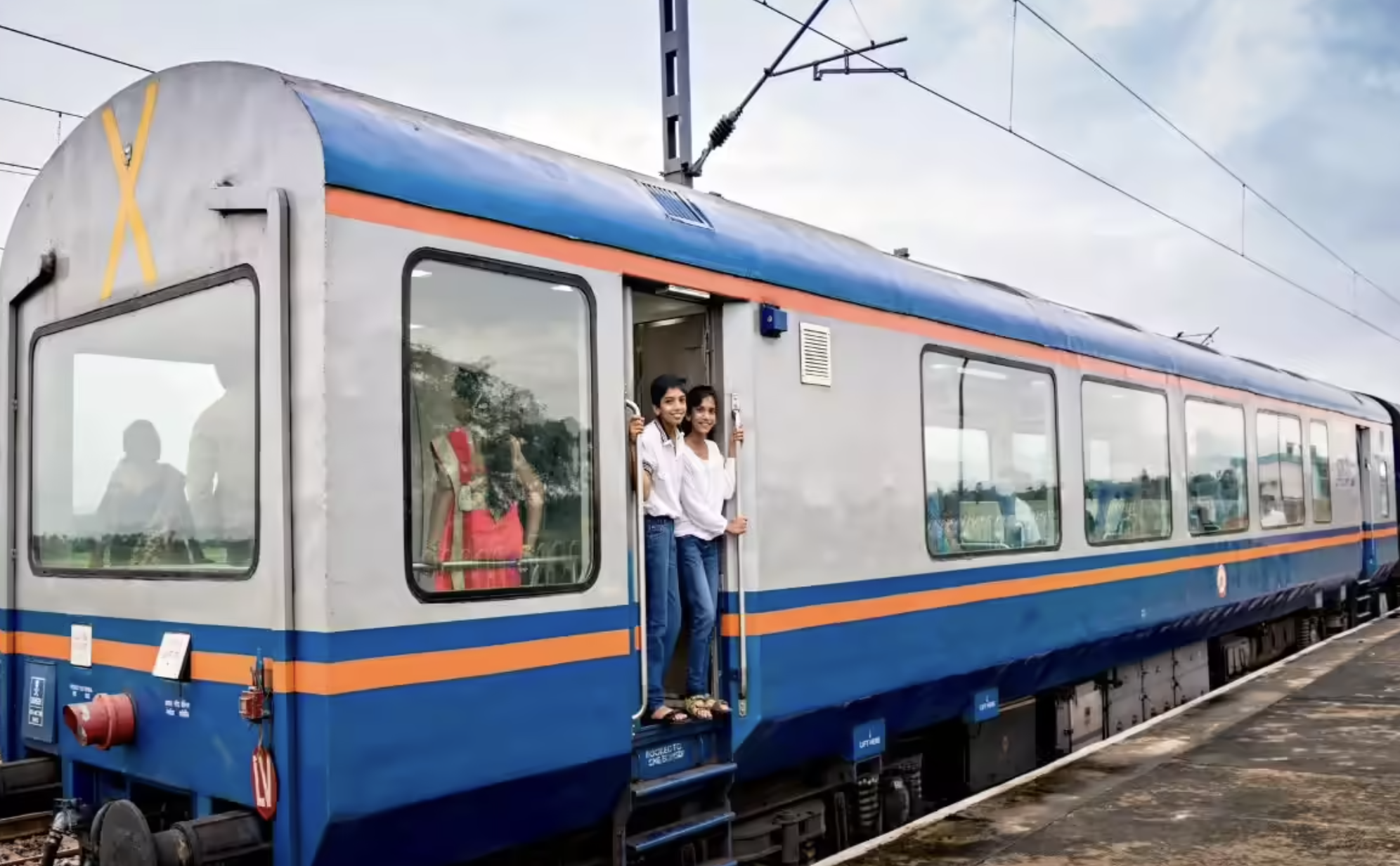
India has taken a major step towards developing its own high-speed train, with the body frame of the country’s first domestically manufactured bullet train now completed.
Railway Minister Ashwini Vaishnaw announced the development on September 8 at the ‘NaMo for Viksit Bharat’ event in Vadodara. He said the completed body frame had been sent for a squeeze test, a structural assessment designed to check the strength of the train’s body before it progresses to further stages of testing.
Track Testing Expected by May-June 2027
According to Vaishnaw, India’s indigenous bullet train is expected to reach the tracks for testing by May or June 2027.
The testing phase is expected to continue for around two to four months. The minister said that after successful completion of testing, the train would be inaugurated by Prime Minister Narendra Modi.
The development marks an important step in India’s effort to build high-speed rail technology and manufacturing capabilities domestically under the broader Atmanirbhar Bharat push.
Vadodara-Mumbai Journey in Around 90 Minutes
The indigenous train is being developed alongside the Mumbai-Ahmedabad High Speed Rail project.
Vaishnaw said the eventual high-speed rail service would allow passengers to travel between Vadodara and Mumbai in around 1.5 hours.
The broader Mumbai-Ahmedabad corridor is being developed with Japanese technology and cooperation and is expected to dramatically reduce travel times between major economic centres in Gujarat and Maharashtra.
Surat-Vapi Section Targeted for December
Work on the Mumbai-Ahmedabad High Speed Rail corridor is progressing in phases. The Railway Minister said the Surat-Vapi section is expected to be completed by December 2026.
The first operational portions of the corridor are expected to open in phases, rather than waiting for the entire 508-km route to be completed.
This approach could allow passengers to experience high-speed rail services before the full Mumbai-Ahmedabad corridor becomes operational.
A Bigger Push for Indigenous Rail Technology
The importance of the new train goes beyond the introduction of another passenger service.
Developing the train domestically could help India build expertise in high-speed rolling stock, manufacturing, testing and associated technologies. It could also reduce dependence on imported trains as India’s high-speed rail network expands.
The development comes as India simultaneously expands conventional railway capacity, dedicated freight corridors and new semi-high-speed services.
Western Freight Corridor Also Completed
At the Vadodara event, the government also highlighted the completion of the Western Dedicated Freight Corridor (WDFC).
Three major sections covering about 326 route kilometres were dedicated to the nation at a cost of more than ₹20,700 crore. The completed sections include routes connecting New Sanand, New Makarpura, New Umbergaon, New Saphale and JNPT.
The direct connection to Jawaharlal Nehru Port is expected to improve freight movement, reduce logistics costs and ease pressure on Mumbai’s existing railway network.
Summary: India’s first domestically manufactured bullet train has completed its body frame and entered structural testing. Railway Minister Ashwini Vaishnaw said it is expected to begin track testing in May-June 2027, followed by two to four months of testing. The wider high-speed rail project aims to cut the Vadodara-Mumbai journey to around 1.5 hours.