India’s longest access-controlled highway, the Delhi-Mumbai Expressway, is set to revolutionise road travel by cutting the journey between Delhi and Mumbai from nearly 24 hours to just around 12 hours. Stretching 1,386 kilometres, the mega infrastructure project will connect six states, improve freight movement, and strengthen economic connectivity across northern and western India.
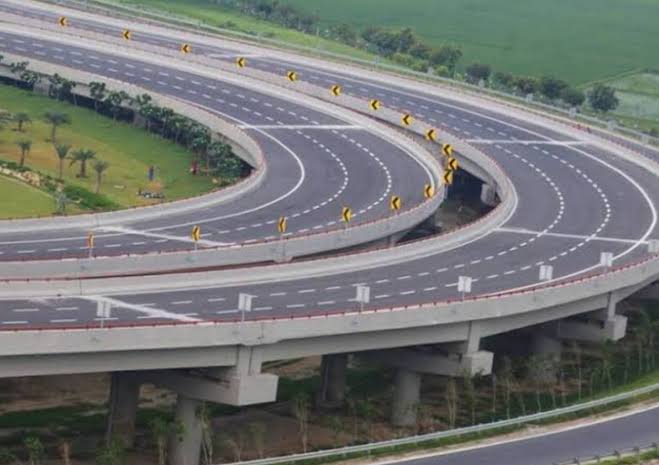
With several sections already operational and the remaining work progressing rapidly, the expressway is expected to become one of the country’s most important transport corridors.
Six States To Be Connected
The Delhi-Mumbai Expressway will pass through Delhi, Haryana, Rajasthan, Madhya Pradesh, Gujarat and Maharashtra, linking several important cities and industrial hubs.
The route begins in Delhi before passing through Sohna and Nuh in Haryana, Dausa, Sawai Madhopur and Kota in Rajasthan, Ratlam and Jhabua in Madhya Pradesh, Vadodara, Bharuch and Surat in Gujarat, and finally Thane before reaching Mumbai.
The project is expected to improve connectivity for more than 20 cities, making travel faster and boosting regional development.
Journey Time To Be Reduced By Half
One of the biggest benefits of the expressway is the dramatic reduction in travel time. Once fully operational, motorists will be able to drive between Delhi and Mumbai in nearly 12 hours, making long-distance travel significantly quicker and more comfortable.
Designed for speeds of up to 120 kmph, the expressway will also help reduce fuel consumption, lower logistics costs and improve freight transportation across the country.
Packed With Modern Features
Built initially as an eight-lane expressway with provision for future expansion to 12 lanes, the corridor incorporates several advanced technologies to enhance safety and efficiency.
Key features include Automated Traffic Management Systems (ATMS), intelligent traffic monitoring, CCTV surveillance, emergency helipads, trauma centres and digital highway management systems. Solar-powered infrastructure has also been integrated into several sections to support sustainable operations.
Wildlife Conservation Gets Special Attention
A unique highlight of the Delhi-Mumbai Expressway is its wildlife-friendly design. Sections passing near Ranthambore National Park and Mukundra Hills National Park feature specially constructed wildlife overpasses and underpasses, allowing animals to cross safely without disrupting traffic.
Special sound barriers have also been installed in environmentally sensitive zones to minimise noise pollution and protect wildlife habitats.
Boost To Economy And Logistics
Apart from reducing travel time, the expressway is expected to transform India’s logistics network by enabling faster transportation of goods between manufacturing centres, industrial corridors and ports. Businesses in Rajasthan, Madhya Pradesh and Gujarat are likely to benefit from lower transportation costs and improved supply chain efficiency.
The project is also expected to attract fresh investments, generate employment opportunities and support economic growth across multiple regions.
Summary
The 1,386-km Delhi-Mumbai Expressway will become India’s longest expressway, connecting six states and reducing travel time between Delhi and Mumbai to nearly 12 hours. Equipped with modern safety systems, smart infrastructure and wildlife-friendly engineering, the project is expected to transform road travel, improve logistics efficiency and accelerate economic development across western and northern India.