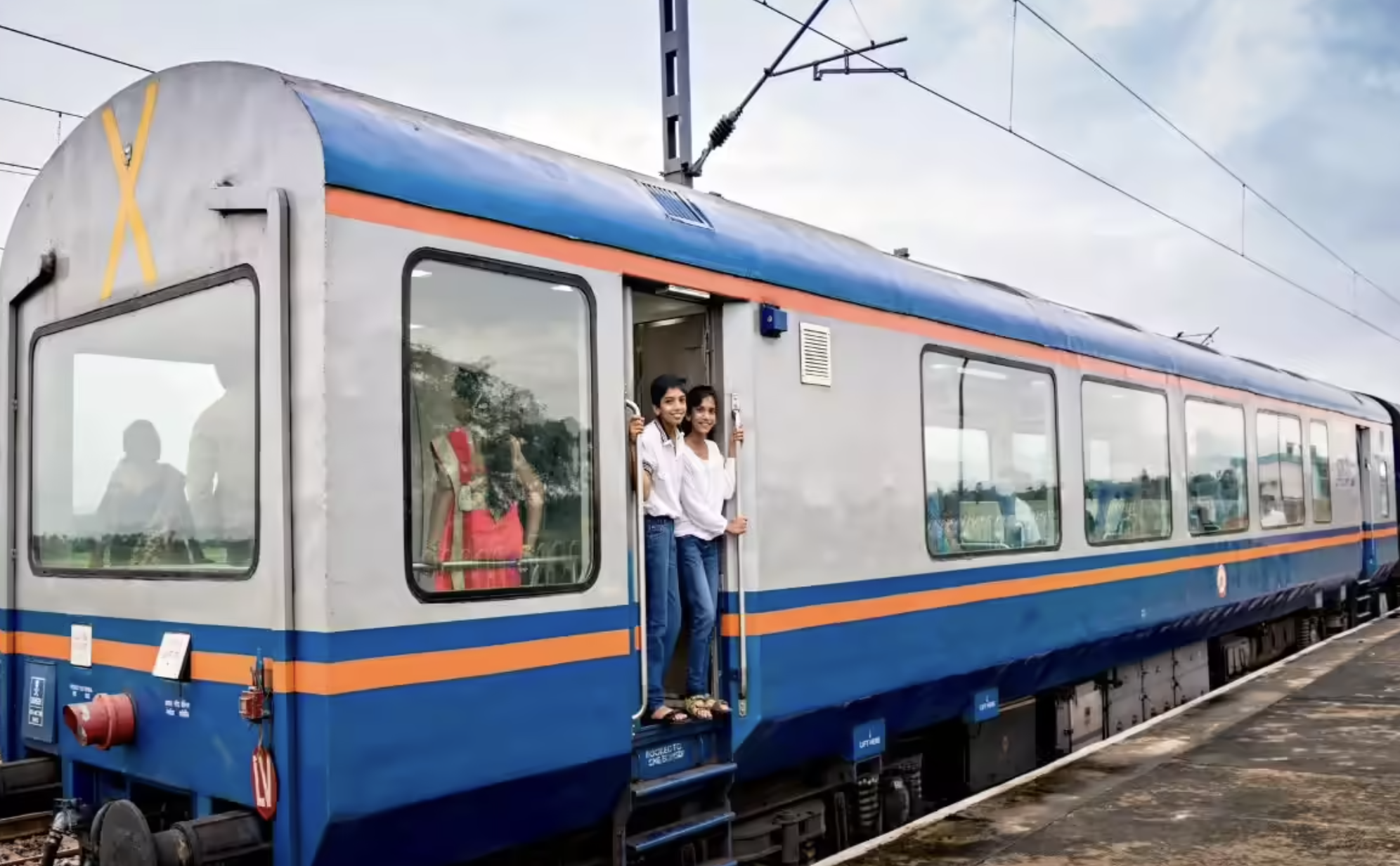
Indian Railways Plans Large-Scale Sleeper Expansion
Indian Railways is preparing for a major expansion of its Vande Bharat sleeper fleet, with plans for more than 250 new sleeper trainsets. The move could significantly change long-distance overnight travel in India by bringing the faster, more modern Vande Bharat platform to routes traditionally served by Rajdhani and other premium trains.
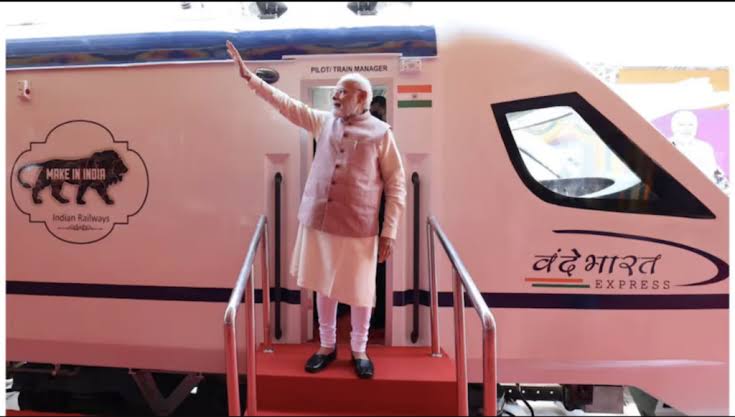
The expansion follows the introduction of the first Vande Bharat Sleeper service in January 2026, marking the transition of the Vande Bharat programme from daytime inter-city journeys to long-distance overnight travel.
Designed for Speed and Comfort
The sleeper trains are designed to operate at speeds of up to 180 kmph, with an operating speed of up to 160 kmph depending on infrastructure and route conditions.
The first sleeper configuration has 16 coaches and a capacity of around 823 passengers. It includes AC First Class, AC Two-Tier and AC Three-Tier accommodation.
The trains feature automatic doors, wider sealed gangways, improved suspension and ergonomically designed berths intended to make overnight journeys smoother and less tiring.
Aircraft-Style Features on the Rails
The new trains are being positioned as a premium alternative to conventional overnight services, with several features aimed at improving the passenger experience.
These include better luggage storage, USB charging points, modern toilets, modular pantries and dedicated spaces for passengers with disabilities. CCTV surveillance is provided throughout the coaches, while emergency talk-back systems allow passengers to communicate with train staff.
The trains also incorporate advanced fire detection and suppression systems and other safety technologies.
Kavach and Advanced Safety Systems
Safety is a major component of the sleeper programme. The trains are equipped with Kavach, India’s indigenous automatic train protection system.
Automatic doors, anti-climbing features, fire-safety systems, CCTV cameras and emergency communication facilities are intended to provide additional protection during long-distance journeys.
The trainsets also use regenerative braking, helping improve energy efficiency during operations.
Faster Overnight Journeys
The first sleeper service provides an indication of how the new trains could change travel times.
On the Howrah-Kamakhya route, the Vande Bharat Sleeper is expected to cover the roughly 966-km journey in around 14 hours, compared with approximately 17 hours for the Saraighat Express.
That combination of speed and sleeping accommodation is important because it could make rail more competitive with air travel on several long-distance routes.
A New Challenge for Rajdhani
The expansion could also change the premium overnight rail market. Rajdhani trains have traditionally occupied the top tier of Indian Railways’ long-distance services, but Vande Bharat Sleeper trains are being designed around newer technology, improved interiors and faster acceleration.
However, the ultimate advantage will depend on routes, fares, track infrastructure and actual operating speeds.
The planned fleet expansion is part of a much larger modernisation programme. Indian Railways has previously outlined an ambition to substantially increase the number of Vande Bharat trainsets over the coming years.
Summary
Indian Railways is preparing to add more than 250 Vande Bharat sleeper trains, bringing modern interiors, faster travel, improved safety and premium overnight accommodation to long-distance routes. With features such as Kavach, automatic doors, advanced fire protection, better berths and improved luggage facilities, the trains are designed to offer a more comfortable alternative to conventional overnight services. The expansion could also intensify competition with Rajdhani trains and make rail travel more competitive with domestic aviation.