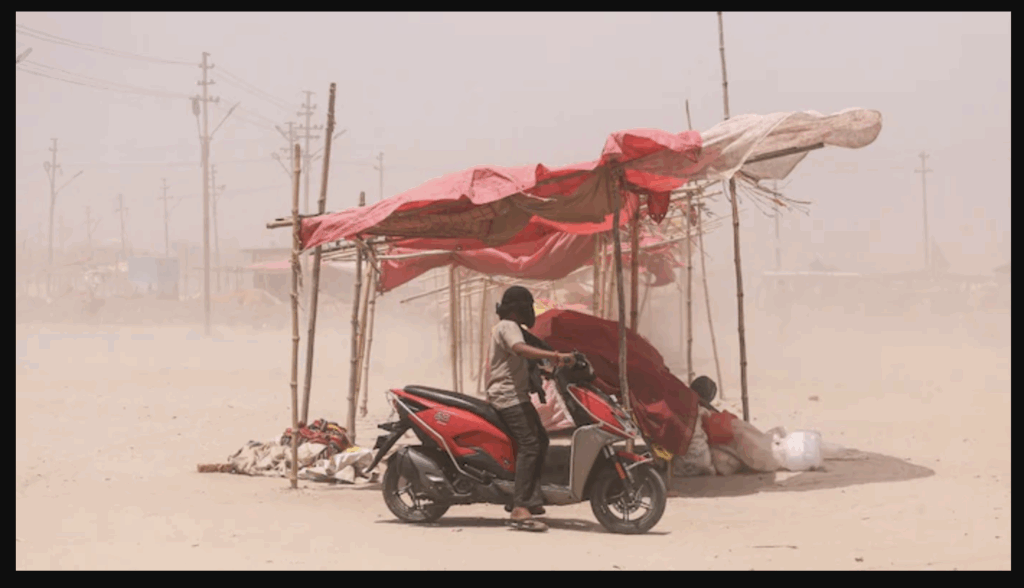
India is currently in the grip of a severe heatwave, with temperatures crossing 44°C in multiple cities and the India Meteorological Department issuing widespread alerts. The situation has become so extreme that 19 of the world’s 20 hottest cities were recorded in India during this period.
What’s Happening Across India?
The heatwave is impacting large parts of north, central, and western India, with temperatures consistently staying above normal levels. IMD has warned that:
- Heatwave conditions will persist for several days
- Temperatures may remain 3–5°C above seasonal averages
- Dry weather and low humidity are intensifying the impact
Cities like Delhi, parts of Rajasthan, Maharashtra, and Uttar Pradesh are seeing extreme conditions, with forecasts touching 44°C or higher.
India Among the World’s Hottest Regions
Recent data highlights how intense the situation is:
- 19 out of the top 20 hottest cities globally are in India
- Several regions have already crossed 44–45°C
- Areas like Vidarbha, Gujarat, and Odisha are among the worst affected
This places India at the center of one of the most extreme heat events globally in 2026.
Hottest Cities Snapshot
| City/Region | Temperature |
|---|---|
| Akola, Maharashtra | ~45.6°C |
| Amravati, Maharashtra | ~45.6°C |
| Ahmedabad, Gujarat | ~44.8°C |
| Jharsuguda, Odisha | ~44.6°C |
| Delhi (forecast) | Up to 44°C |
These temperatures are not just high—they are dangerously above normal, increasing risks of heatstroke and dehydration.
Why This Heatwave Is So Severe
Experts point to a combination of factors:
- Anti-cyclonic circulation trapping heat over regions like Maharashtra
- Dry winds and low humidity, accelerating temperature rise
- Climate change trends, leading to more frequent and intense heatwaves
- IMD’s seasonal outlook already predicted above-normal heatwave days in 2026
Impact on Daily Life
The effects are already visible:
- Schools adjusting timings or shutting temporarily
- Health advisories issued for children and elderly
- Reduced outdoor activity during peak afternoon hours
- Increased demand for water and electricity
What IMD Advises
The India Meteorological Department has issued key precautions:
- Avoid stepping out between 12 PM – 4 PM
- Stay hydrated and wear light clothing
- Watch for symptoms like dizziness, fatigue, or nausea
- Take extra care of vulnerable groups
The Bigger Picture
India’s 2026 heatwave is not just a seasonal spike—it reflects a growing climate challenge. With projections indicating even higher temperatures (possibly nearing 50°C in extreme cases), preparedness and adaptation are becoming critical.