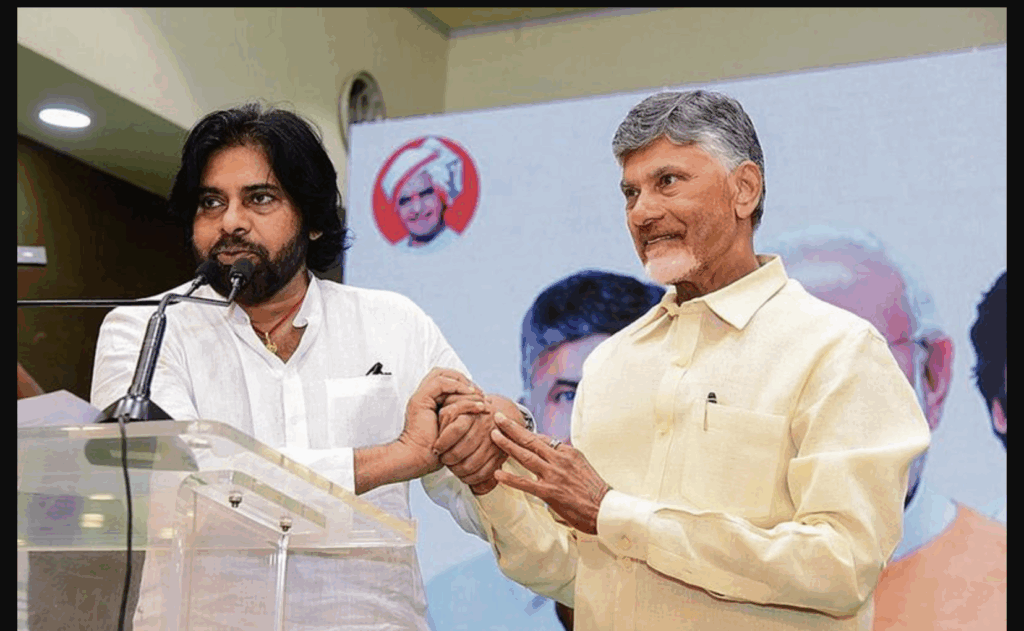
In a major demographic policy shift, the Andhra Pradesh government has announced direct cash incentives for families having more children. Chief Minister N. Chandrababu Naidu said the state will provide:
- ₹30,000 for the birth of a third child
- ₹40,000 for the birth of a fourth child.
Naidu made the announcement during a public meeting in Narsannapeta in Srikakulam district as part of the “Swarna Andhra–Swach Andhra” programme.
Why Andhra Pradesh Suddenly Wants More Children
The move comes amid rising concern over:
- Falling fertility rates
- Ageing populations
- Shrinking workforce risks.
Naidu warned that Andhra Pradesh’s:
- Total Fertility Rate (TFR) is declining toward replacement-level concerns.
A stable population typically requires:
- Around 2.1 children per woman
to maintain long-term demographic balance.
The Chief Minister reportedly said:
- Rising incomes are leading many couples to stop at one child
- Some families opt for a second child only if the first child is a girl.
Big Shift From India’s Old Population-Control Era
The announcement is especially significant because India historically focused on:
- Population control
- Family planning
- “Hum Do, Hamare Do” campaigns.
Now, several regions are increasingly worried about:
- Low birth rates
- Ageing populations
- Future labour shortages.
Naidu himself acknowledged that:
- He once supported population-control measures
- But now believes society must encourage higher birth rates.
Countries Like Japan & South Korea Were Mentioned
Naidu reportedly warned that India should avoid demographic crises faced by:
- Japan
- South Korea
- Several European countries.
These nations are currently struggling with:
- Falling workforce participation
- Rising elderly populations
- Slower economic growth
- Pension-system pressure.
South Korea, for example:
- Has one of the world’s lowest fertility rates at below 1 child per woman in recent years.
More Incentives Could Be Coming
Reports suggest the Andhra Pradesh government may announce:
- Detailed implementation guidelines within a month
- Additional welfare support linked to childbirth and child education.
Earlier this year, Naidu had already discussed:
- A possible ₹25,000 incentive for second-child births.
He also linked the proposal to:
- The “Talliki Vandanam” welfare scheme
which currently provides: - ₹15,000 annually per school-going child.
Critics Raise Economic Concerns
The announcement has already triggered debate online and among economists.
Critics argue:
- Cash incentives may encourage births without improving:
- Education
- Healthcare
- Employment opportunities.
Others worry:
- Poorer families may be disproportionately influenced by financial incentives.
Supporters, however, say:
- India must start planning for long-term demographic sustainability
- Young populations remain critical for economic growth.
India’s Population Debate Is Changing
India recently became:
- The world’s most populous country.
However, experts increasingly say:
- Population size alone is no longer the biggest issue
- Age distribution and workforce sustainability matter more.
Some southern Indian states, including:
- Andhra Pradesh
- Tamil Nadu
- Kerala
…have already seen:
- Slower fertility growth compared to northern states.
Why This Matters
The Andhra Pradesh announcement reflects a major global trend:
Governments are increasingly moving from population control toward population encouragement.
The bigger shift is clear:
Countries now fear not just overpopulation — but also:
- Ageing societies
- Shrinking workforces
- Long-term economic stagnation
- Falling consumer demand.
And Andhra Pradesh’s new policy shows that India’s demographic conversation may be entering an entirely new phase.