India’s economic outlook continues to remain strong despite global uncertainties. According to the International Monetary Fund (IMF), the country’s GDP is expected to grow at 6.5% in FY2026-27, reflecting resilience driven by domestic demand and policy stability.
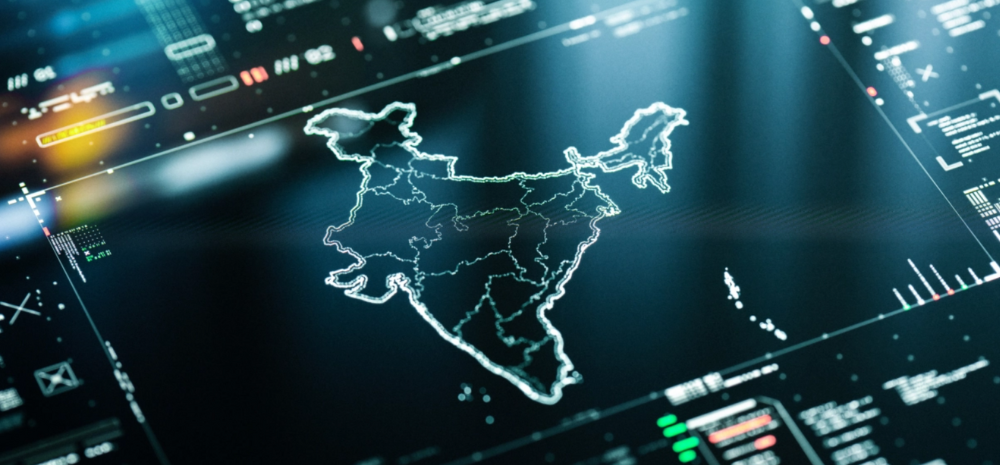
India Stands Out In A Slowing Global Economy
At a time when global growth is facing pressure due to geopolitical tensions and rising energy costs, India has emerged as a bright spot. The IMF has maintained or slightly upgraded India’s growth forecast even as it cut projections for many emerging economies.
This highlights India’s position as one of the fastest-growing major economies in the world, supported by strong internal fundamentals and consumption-led growth.
What’s Driving India’s Growth?
Several key factors are powering India’s economic momentum:
- Strong domestic demand: Rising consumption continues to fuel economic activity
- Government reforms & policy support: Structural reforms are improving efficiency
- Resilient banking system: Well-capitalised banks are supporting credit growth
- Trade tailwinds: Lower global trade barriers (like reduced US tariffs) may boost exports
Additionally, India’s performance in FY26—where growth hovered above 7%—has created a strong base for sustained expansion.
Why Growth Is Expected To Moderate
Despite the positive outlook, the IMF expects growth to moderate slightly compared to previous years. This is mainly because:
- Temporary economic boosts (post-pandemic recovery, stimulus) are fading
- Global uncertainties—especially conflicts and energy price shocks—are increasing
- Inflationary pressures may impact consumption in the short term
Earlier IMF estimates had already indicated that growth could ease to around 6.4%–6.5% as cyclical factors weaken.
Risks That Could Impact India’s Outlook
While India’s growth story remains strong, certain risks could affect projections:
- Rising oil prices due to global conflicts
- Supply chain disruptions
- Currency volatility and capital outflows
- Global economic slowdown
India, being a major oil importer, remains vulnerable to external shocks, particularly from geopolitical tensions.
A Positive Yet Cautious Outlook
Overall, the IMF’s latest forecast reinforces confidence in India’s economic trajectory. While growth may not hit the highs of previous years, it remains stable, resilient, and among the best globally.
The focus going forward will be on managing inflation, sustaining domestic demand, and navigating global uncertainties effectively.