In a remarkable example of talent being recognized beyond traditional academic pathways, IIT Kanpur has recruited 19-year-old cybersecurity researcher Nisarg Adhikary, who recently gained national attention for highlighting vulnerabilities in the Central Board of Secondary Education’s (CBSE) On-Screen Marking (OSM) system. The move underscores the increasing value that leading institutions place on practical cybersecurity skills and responsible vulnerability disclosure.
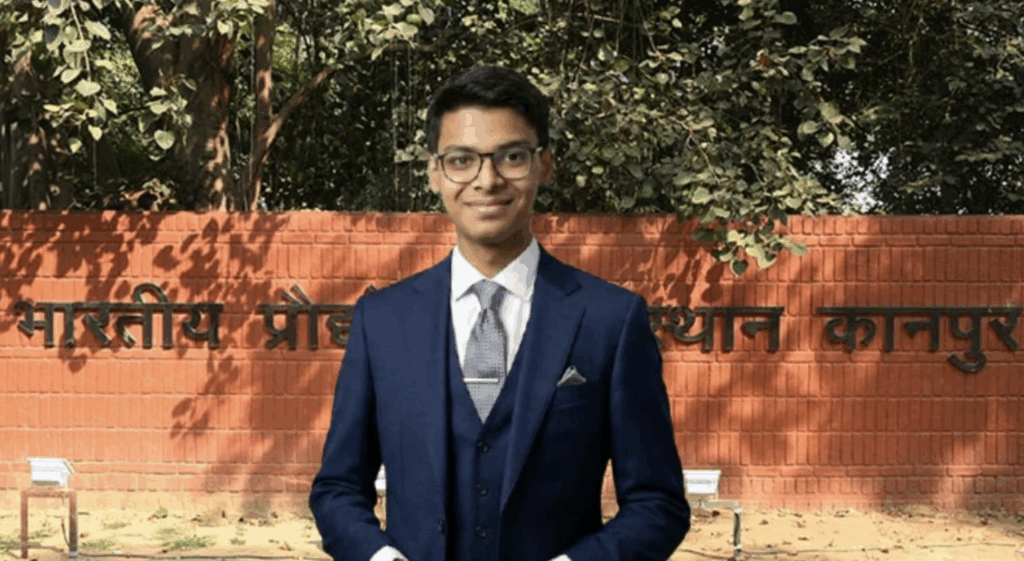
Adhikary, who recently completed his Class 12 education, found himself at the center of a national debate after publishing detailed findings about alleged security weaknesses in CBSE’s digital evaluation infrastructure. He claimed that flaws within the OSM system could potentially be exploited to manipulate examination-related data, sparking widespread discussions about the security of educational technology platforms. While CBSE disputed claims that its systems had been compromised, the disclosures triggered audits and further investigations into the platform’s security architecture.
His work quickly caught the attention of cybersecurity experts and academic leaders. According to reports, IIT Kanpur Director Manindra Agrawal reviewed Adhikary’s technical analysis and recognized the depth of his cybersecurity knowledge. The institute subsequently offered him a position within its cybersecurity ecosystem, making him one of the youngest engineers associated with the institution.
Adhikary has joined IIT Kanpur’s renowned C3iHub, a technology innovation and cybersecurity center that works on cyber defence, threat intelligence, and digital security initiatives. He will serve as an Open-Source Intelligence (OSINT) and Threat Intelligence Engineer, contributing to projects focused on strengthening cybersecurity capabilities and identifying emerging digital threats.
The story has resonated strongly across India’s technology and education sectors because it highlights a shift in how talent is being evaluated. Rather than focusing solely on degrees and formal qualifications, organizations are increasingly recognizing demonstrable skills, real-world problem-solving abilities, and contributions to cybersecurity research. Adhikary’s journey from a school student investigating digital vulnerabilities to securing a role at one of India’s premier institutions serves as an inspiration for aspiring technologists and ethical hackers.
As India accelerates its digital transformation, the demand for cybersecurity professionals continues to grow. The recruitment of young researchers like Adhikary demonstrates that expertise, curiosity, and responsible innovation can open doors to opportunities traditionally reserved for experienced professionals. It also sends a strong message about the importance of strengthening cybersecurity across critical public digital systems.