A Very Unusual Job Interview Demand
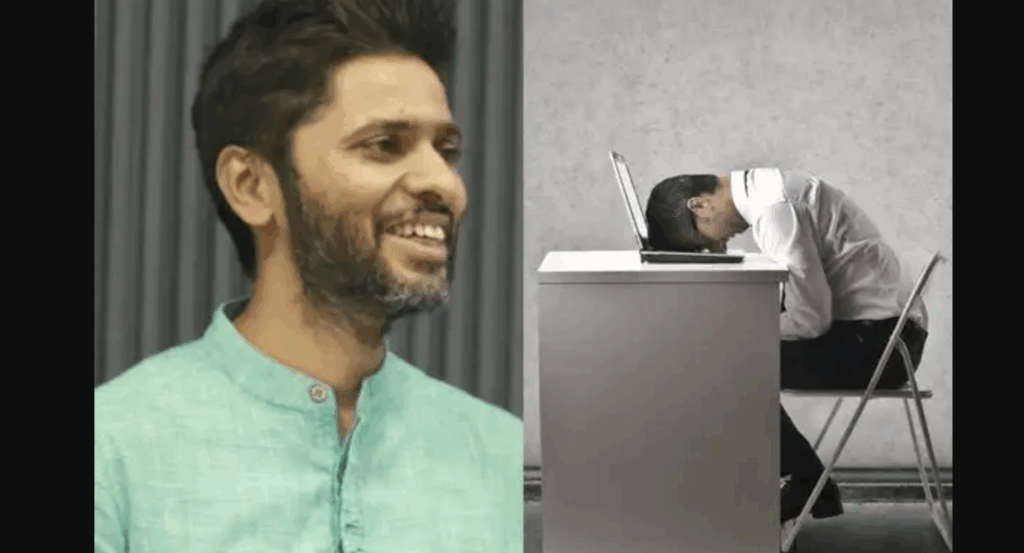
A Gen Z job applicant made an unusual request during a job interview: he wanted a 30-minute nap every day during office hours.
Instead of rejecting the candidate, an IITian CEO found the demand interesting enough to offer him the job. The incident has sparked a wider conversation around changing workplace expectations among younger employees and whether traditional ideas about productivity are becoming outdated.
Why The Candidate Wanted A Nap
The candidate reportedly explained that taking a short nap during the working day would help him recharge and improve his productivity.
Rather than viewing the request as a sign of laziness, the CEO interpreted it as an employee being confident enough to communicate what he believed would help him perform better.
The request also reflected a broader Gen Z attitude towards work, where employees are increasingly willing to discuss flexibility, wellbeing and personal productivity preferences openly.
CEO Saw Productivity Potential
The IITian CEO said the request ultimately convinced him to offer the candidate the job.
His reasoning was that a short, controlled break could potentially make an employee more focused and productive during the remaining working hours. Instead of judging productivity solely by the amount of time an employee spends continuously working, the CEO appeared to focus on whether the employee could deliver results.
The incident therefore became an example of how employers and younger workers may approach workplace expectations differently.
Changing Attitudes Towards Office Culture
Traditional office culture has generally associated productivity with long working hours, constant availability and staying at one’s desk.
Gen Z workers, however, are increasingly questioning these assumptions. Flexible schedules, mental wellbeing, work-life balance and individual productivity patterns have become more important considerations when evaluating jobs.
The 30-minute nap request represents an extreme but interesting example of this changing mindset.
Could Short Naps Actually Improve Productivity?
The CEO’s response also raises an important workplace question: should companies allow employees to structure short breaks according to what helps them work most effectively?
For some workers, a brief rest may help restore concentration and reduce fatigue. The challenge for employers is ensuring that flexibility does not affect team coordination, deadlines or overall performance.
In this case, the CEO appears to have valued the candidate’s confidence, reasoning and focus on productivity enough to accommodate an unconventional request.
A Sign Of The Changing Workplace
The story highlights how the relationship between employers and Gen Z employees is evolving. Candidates are increasingly discussing their expectations during interviews instead of simply accepting traditional workplace norms.
For companies, the incident could also offer a lesson: unusual requests do not necessarily indicate poor work ethic. Sometimes, understanding why a candidate makes a particular demand can reveal how they think about productivity, performance and workplace culture.
Summary
A Gen Z job seeker reportedly asked an IITian CEO for a daily 30-minute nap during office hours, arguing that the break would help improve productivity. Instead of rejecting the request, the CEO found the candidate’s reasoning convincing and offered him the job. The unusual interview exchange has sparked discussion about changing workplace expectations, employee wellbeing, flexibility and how Gen Z approaches productivity.