A rare and deadly hantavirus outbreak aboard the Dutch expedition cruise ship MV Hondius has sparked international concern after multiple passengers died and several others became infected during the voyage. Two Indian nationals are among the crew members currently onboard the ship.
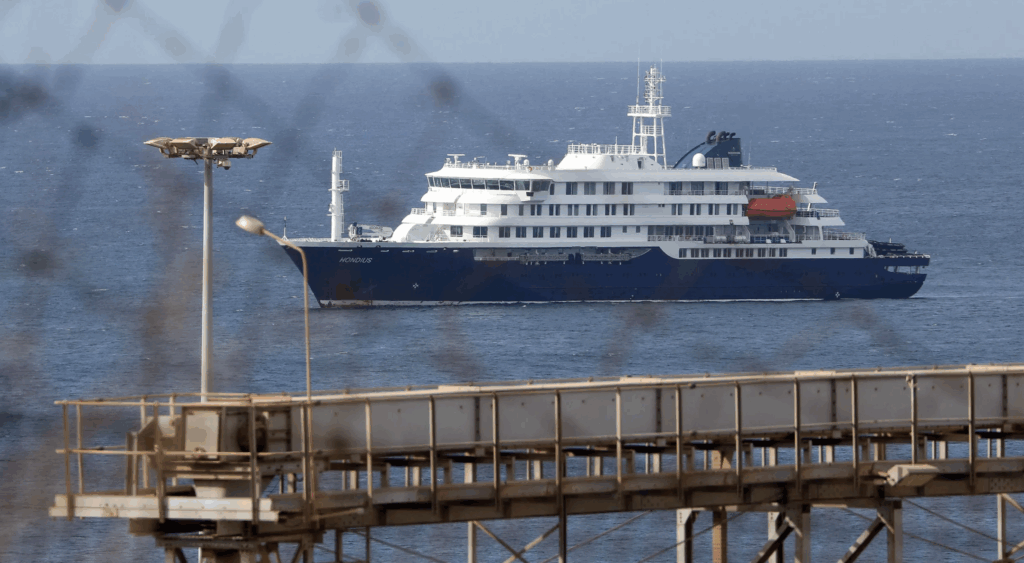
The outbreak has already resulted in at least three deaths, while multiple suspected and confirmed cases are being monitored by international health agencies including the World Health Organization (WHO).
What Happened On The Cruise Ship?
The MV Hondius, operated by Dutch expedition company Oceanwide Expeditions, had departed from Ushuaia, Argentina, for a polar expedition route covering Antarctica and isolated South Atlantic islands.
The outbreak reportedly began in April 2026 after passengers developed severe respiratory symptoms linked to hantavirus infection. According to WHO-linked reports:
- At least three passengers have died
- Several more cases remain under investigation
- Around 147–150 passengers and crew are still onboard
- The ship has been diverted toward the Canary Islands after being denied docking in Cape Verde initially
The two Indian nationals onboard are part of the crew and, according to Indian authorities, no immediate public health threat to India has been identified so far.
What Is Hantavirus?
Hantavirus is a rare but potentially deadly virus usually transmitted through:
- Rodent urine
- Rodent droppings
- Saliva from infected rodents
- Contaminated surfaces or dust particles
The virus can cause severe illnesses such as:
- Hantavirus Pulmonary Syndrome (HPS)
- Hemorrhagic fever with renal syndrome
Symptoms may include:
- Fever
- Muscle pain
- Fatigue
- Difficulty breathing
- Severe respiratory distress
Rare Human-To-Human Transmission Suspected
One reason the outbreak has attracted global attention is because officials suspect involvement of the Andes virus strain — one of the very few hantavirus strains known to occasionally spread between humans.
WHO and other agencies are investigating whether limited human-to-human transmission may have occurred onboard the ship. However, experts emphasize that:
- Transmission requires close contact
- The virus does not spread as easily as COVID-19
- The broader public risk remains low
Global Contact Tracing Underway
Health authorities across multiple countries are now conducting large-scale contact tracing because some passengers reportedly disembarked before the outbreak was fully identified.
Countries involved in monitoring include:
- Netherlands
- South Africa
- United Kingdom
- Spain
- Switzerland
- India
The CDC has reportedly activated a Level-3 emergency response — its lowest emergency activation level — while WHO continues coordinating international monitoring efforts.
India Says No Immediate Threat
Indian health authorities, including the ICMR’s National Institute of Virology (NIV), have stated that the current cases appear isolated and there is no immediate public health threat to India.
India has reportedly activated precautionary surveillance measures while continuing to monitor the health status of the Indian crew members onboard the ship.
Why Cruise Ships Remain High-Risk For Outbreaks
Experts say cruise ships can become vulnerable environments for disease outbreaks because they involve:
- Enclosed spaces
- Shared ventilation systems
- Close passenger interaction
- Long-duration travel
- Difficult isolation conditions
Although hantavirus outbreaks on ships are extremely rare, the MV Hondius incident has once again highlighted the importance of rapid disease detection, onboard medical preparedness, and international coordination during maritime health emergencies.