Government Moves Quickly on New Airfare Rules
The Centre is expediting new regulations aimed at protecting air passengers from sharp and arbitrary increases in airfares. The government has told the Supreme Court that it will finalise the proposed framework within three weeks, after the court raised concerns over unpredictable ticket prices and additional charges.
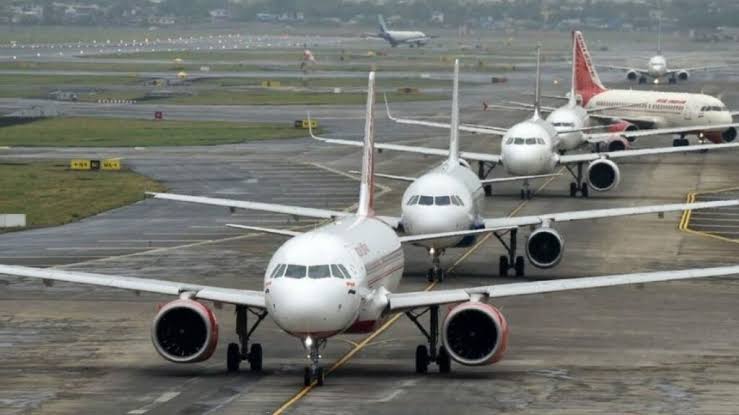
The draft rules were placed before the Supreme Court in a sealed cover on August 17 as the government works to establish a clearer regulatory framework for airline pricing.
Supreme Court Takes Strong Stand on Fare Hikes
The Supreme Court has been examining airline pricing after concerns were raised about steep increases during festivals, holidays and other periods of high demand.
During earlier hearings, the court said airfares needed to be rationalised to protect passengers from excessive increases and described such fare hikes as a matter of serious concern.
The court has also indicated that airlines failing to comply with government directions could face severe consequences. It advised the government that non-compliant airlines could even be grounded.
What Will the New Rules Cover?
The proposed regulatory framework will cover more than basic ticket prices.
It is expected to address airfare pricing, surge pricing and excess baggage charges. The wider petition before the court also seeks clearer rules covering cancellation charges and refunds.
The objective is to create binding rules governing how airlines can change fares and impose additional charges, particularly during periods when passenger demand rises sharply.
Why Surge Pricing Has Become a Concern
Airlines typically use dynamic pricing, with fares changing according to demand, seat availability, booking time and other factors.
However, passengers have increasingly complained about situations where ticket prices rise dramatically during festivals, major events and holiday periods.
The Supreme Court has questioned whether such extreme fluctuations can continue without stronger regulatory oversight.
The issue became particularly prominent after sharp airfare increases were reported during the Kumbh Mela and other major travel periods.
Existing Directions Have Not Been Enough
Until the new rules are finalised, the Ministry of Civil Aviation will continue issuing memorandums to airlines regarding pricing.
However, petitioners have argued that existing regulatory mechanisms and government directions have not been implemented effectively.
The Supreme Court’s intervention has therefore put additional pressure on the government to create a formal framework with clearer rules and stronger enforcement mechanisms.
Bharatiya Vayuyan Adhiniyam Gives Centre More Powers
The proposed regulations are being framed under the Bharatiya Vayuyan Adhiniyam, 2024.
The legislation gives the Centre powers to establish rules governing the economic regulation of civil aviation and air transport services. It also provides for government involvement in the approval, disapproval or revision of airline tariffs.
This provides the legal basis for the government to introduce a more structured approach to airline pricing.
Airlines Could Face Tougher Enforcement
The Supreme Court’s comments indicate that enforcement will be an important part of the new system.
The court has questioned what action can be taken when airlines fail to follow government directions and has warned that serious non-compliance could result in strong measures.
This could give the new framework greater significance than existing advisories and memorandums, particularly if regulators receive clearer powers to intervene when airlines violate pricing rules.
What It Could Mean for Passengers
For travellers, the biggest potential benefit would be greater predictability.
Passengers would still see fares change according to demand and availability, but clearer rules could place limits on how airlines use surge pricing and impose additional charges.
Greater transparency around baggage, cancellation and refund charges could also make it easier for travellers to understand the total cost of a ticket before completing a booking.
Supreme Court to Review Final Rules
The Centre has been given three weeks to complete the regulatory process and present the finalised framework.
The matter is scheduled to return before the Supreme Court on September 7, 2026, when the court is expected to consider the government’s final rules.
The coming weeks could therefore mark an important turning point in India’s approach to airline pricing, particularly if the new framework introduces stronger oversight of surge fares.
A Major Test for India’s Aviation Regulation
The government now faces the challenge of balancing two competing interests: allowing airlines enough flexibility to operate in a market-driven environment while protecting passengers from what regulators consider excessive or exploitative pricing.
If implemented effectively, the new rules could bring greater transparency and accountability to airline pricing without completely eliminating dynamic fares.
For millions of Indian air travellers, the outcome could determine how much protection they receive when ticket prices suddenly surge during the country’s busiest travel periods.
Summary
India will finalise new rules covering airfare pricing, surge pricing and excess baggage charges within three weeks following Supreme Court pressure over steep and unpredictable ticket prices. The proposed framework also addresses concerns around cancellations and refunds. The court has warned of strong action against airlines that fail to comply, while the government is using the Bharatiya Vayuyan Adhiniyam, 2024 as the legal basis for stronger aviation regulation.