

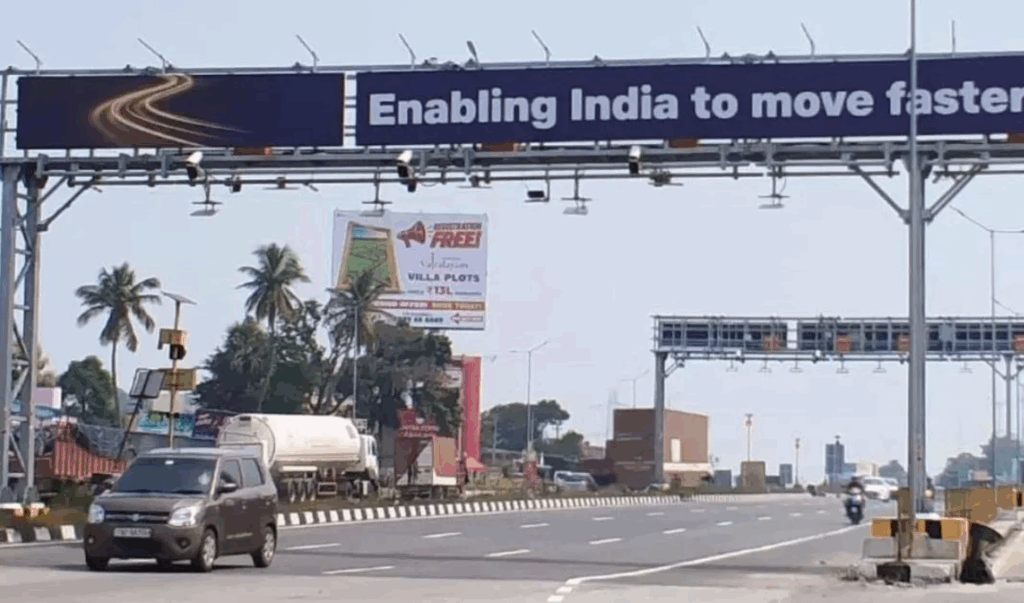
The National Highways Authority of India (NHAI) has recorded a significant increase in toll revenue following the introduction of its barrier-less Multi-Lane Free Flow (MLFF) toll collection system.
According to data released by the Ministry of Road Transport and Highways on November 23, 2026, seven operational toll plazas generated cumulative net revenue of Rs 538.95 crore, compared with Rs 449.72 crore during their corresponding pre-implementation periods.
This represents an increase of 19.84%, generating additional revenue of Rs 89.23 crore for NHAI.
Seven Toll Plazas Record Significant Revenue Growth
The barrier-less toll collection system was first introduced at Choryasi Fee Plaza in Gujarat on May 1, 2026. It was subsequently expanded to several other locations across India.
The following seven toll plazas recorded increases in net revenue until October 31, 2026:
- Paranur, Tamil Nadu: 26.95%
- Manoharpura, Rajasthan: 24.51%
- Mundka, Delhi: 23.55%
- Choryasi, Gujarat: 23.06%
- Gharaunda, Haryana: 17.39%
- Shahjahanpur, Uttar Pradesh: 16.57%
- Daulatpura, Rajasthan: 15.66%
The average revenue growth across these seven plazas stood at 21.10%, while the combined revenue increase was 19.84%.
Two additional toll plazas, Nemili and Chenasamudram, became operational in November 2026 and were therefore excluded from the revenue assessment.
How Barrier-Less Toll Collection Benefits Motorists
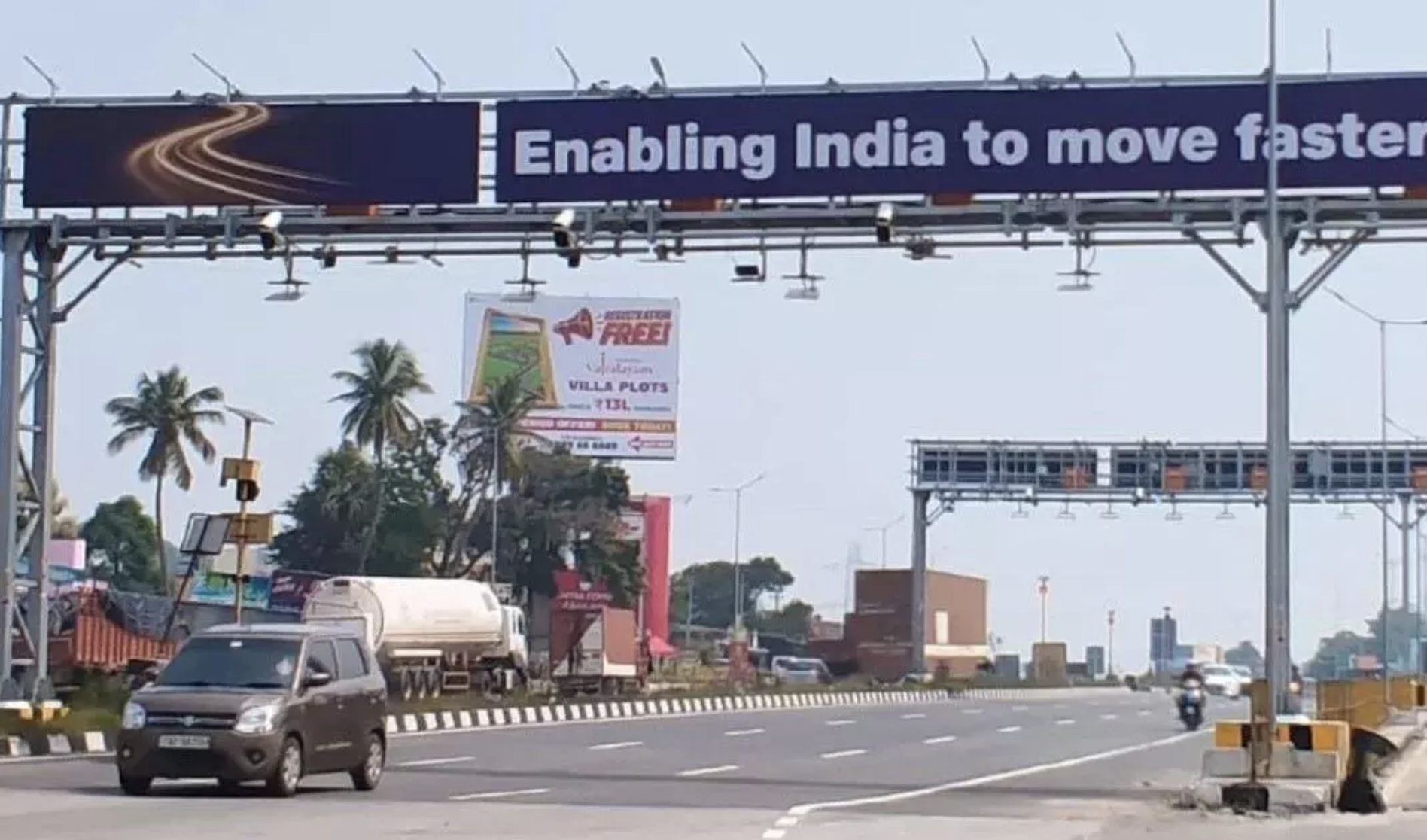
The MLFF technology enables vehicles to pass through toll collection points without stopping at physical barriers.
The system uses electronic toll collection infrastructure and vehicle identification technology to facilitate automatic toll payments.
Apart from improving revenue collection, the technology is designed to reduce traffic congestion, waiting times, unnecessary fuel consumption and vehicular emissions.
NHAI has also reported higher transaction volumes and lower toll collection costs following its implementation.
NHAI Deploys AI To Identify Toll Evaders
Despite these improvements, authorities have identified instances of motorists deliberately concealing or tampering with vehicle registration number plates to avoid paying toll charges.
To address this challenge, NHAI is deploying artificial intelligence-based vehicle fingerprinting technology alongside integration with the government’s VAHAN database.
These technologies are intended to identify offending vehicles and trace their registered owners.
Police checkpoints have also been established at selected locations, including Gharaunda Fee Plaza, where offenders are being intercepted and penalised under the Motor Vehicles Act, 1988.
Vehicle Owners May Face Restrictions On VAHAN Services
Electronic notices are being issued to vehicle owners for recovering unpaid toll charges. Applicable VAHAN services may also be restricted if these notices remain unpaid.
Approximately 60% of the monetary value of electronic notices issued across the operational plazas has already been recovered.
NHAI plans to expand barrier-less toll collection across the national highway network while strengthening enforcement measures to prevent revenue leakage and ensure compliance.
Summary
NHAI’s barrier-less toll collection system has increased net revenue by 19.84% to Rs 538.95 crore across seven highway toll plazas, generating additional revenue of Rs 89.23 crore. The system enables vehicles to travel without stopping at toll barriers. NHAI is also deploying AI-powered vehicle identification technology and electronic notices to prevent toll evasion and recover unpaid charges.