The term sounds complicated, but the meaning is actually simple.
“Replacement level fertility” means the average number of children needed per woman so that a country’s population remains stable over time.
Globally, that number is considered around 2.1 children per woman.
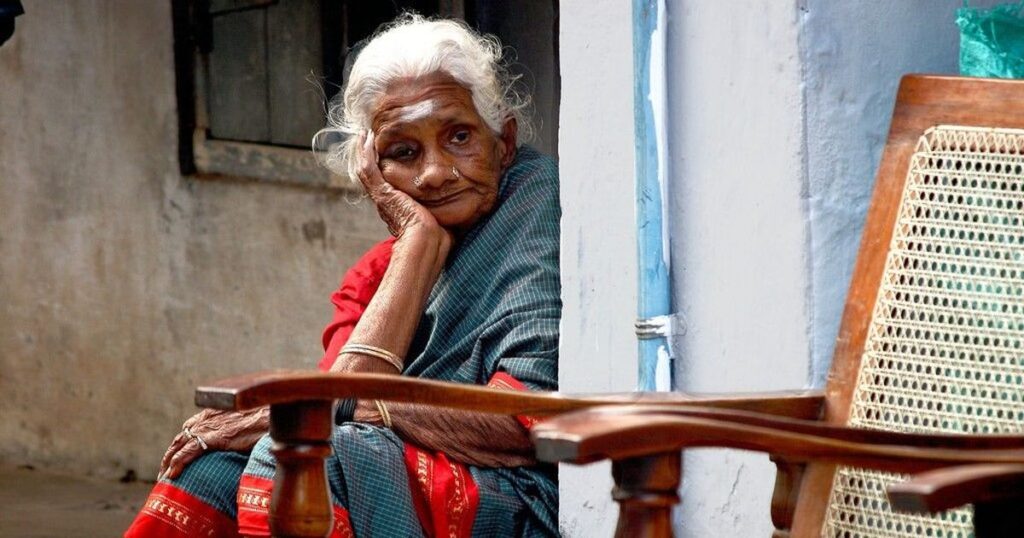
If the fertility rate falls below this level for a long time, the population eventually starts ageing and may later begin shrinking.
According to recent data, only six Indian states are now above this replacement level, while most states have already fallen below it.
What Does This Actually Mean For India?
In simple words:
Indian families are now having fewer children than before.
This is happening because of:
- Better education
- Urban lifestyles
- Rising living costs
- Career priorities
- Delayed marriages
- Improved healthcare
- Greater awareness about family planning
India is slowly moving from a “high population growth country” to a more stable population phase.
This is a major demographic change.
Why Experts Are Paying Attention
At first, lower population growth may sound like good news because it reduces pressure on resources, schools, hospitals, and jobs.
But experts say there is another side too.
If fertility remains very low for many years, countries can eventually face:
- Ageing populations
- Fewer young workers
- Labour shortages
- Higher healthcare burden
- Economic slowdown
Countries like Japan, South Korea, China, and several European nations are already struggling with these issues.
India has not reached that stage yet, but experts say current trends are important.
Which States Still Have Higher Fertility?
States with relatively higher fertility rates are mostly those with:
- Younger populations
- Lower urbanization
- Lower female workforce participation
- Higher rural population share
Meanwhile, developed and urbanized states like Kerala, Tamil Nadu, Karnataka, Maharashtra, Delhi, and Punjab already have much lower fertility rates.
In many cities, small families with one or two children are now becoming the norm.
Why This Is A Big Economic Story
India currently benefits from having one of the world’s youngest populations.
This young workforce is a major reason global companies are investing heavily in India.
But over the next few decades, India’s age structure may slowly begin changing.
Experts say India now has a critical opportunity:
Use today’s young population to build:
- Jobs
- Manufacturing
- Infrastructure
- AI and technology sectors
- Economic growth
before population ageing becomes a future challenge.
Social Media Reactions Mixed
The report has triggered mixed reactions online.
Some users celebrated slowing population growth, saying India already faces overcrowding and pressure on resources.
Others worried that India could eventually face the same demographic problems currently affecting China, Japan, and Europe.
Many people were also surprised to learn how quickly fertility rates have fallen in urban India over the past decade.
India Is Entering A New Population Era
For decades, India’s biggest concern was rapid population growth.
Now, the conversation is slowly changing toward:
- ageing
- workforce sustainability
- economic productivity
- long-term demographic balance
Experts say this transition itself shows how dramatically Indian society, education, healthcare, and lifestyles have evolved over recent decades.
India still remains one of the world’s youngest countries — but the demographic story is clearly beginning to change.