

Global crude oil prices rose on Wednesday, November 11, 2026, after touching their lowest levels in two months during the previous trading session. Fresh attacks on commercial shipping in the Strait of Hormuz have renewed concerns about global oil supplies, offsetting optimism over a possible diplomatic agreement between the United States and Iran.
Brent crude futures climbed 1.1% to $92.53 per barrel, while US West Texas Intermediate (WTI) crude increased 0.8% to $86.71 per barrel. The recovery followed a decline of more than $3 per barrel earlier in the week.
Strait Of Hormuz Shipping Attacks Raise Supply Concerns
The Strait of Hormuz remains a critical route for international energy shipments, and continued attacks on vessels have increased uncertainty among oil traders.
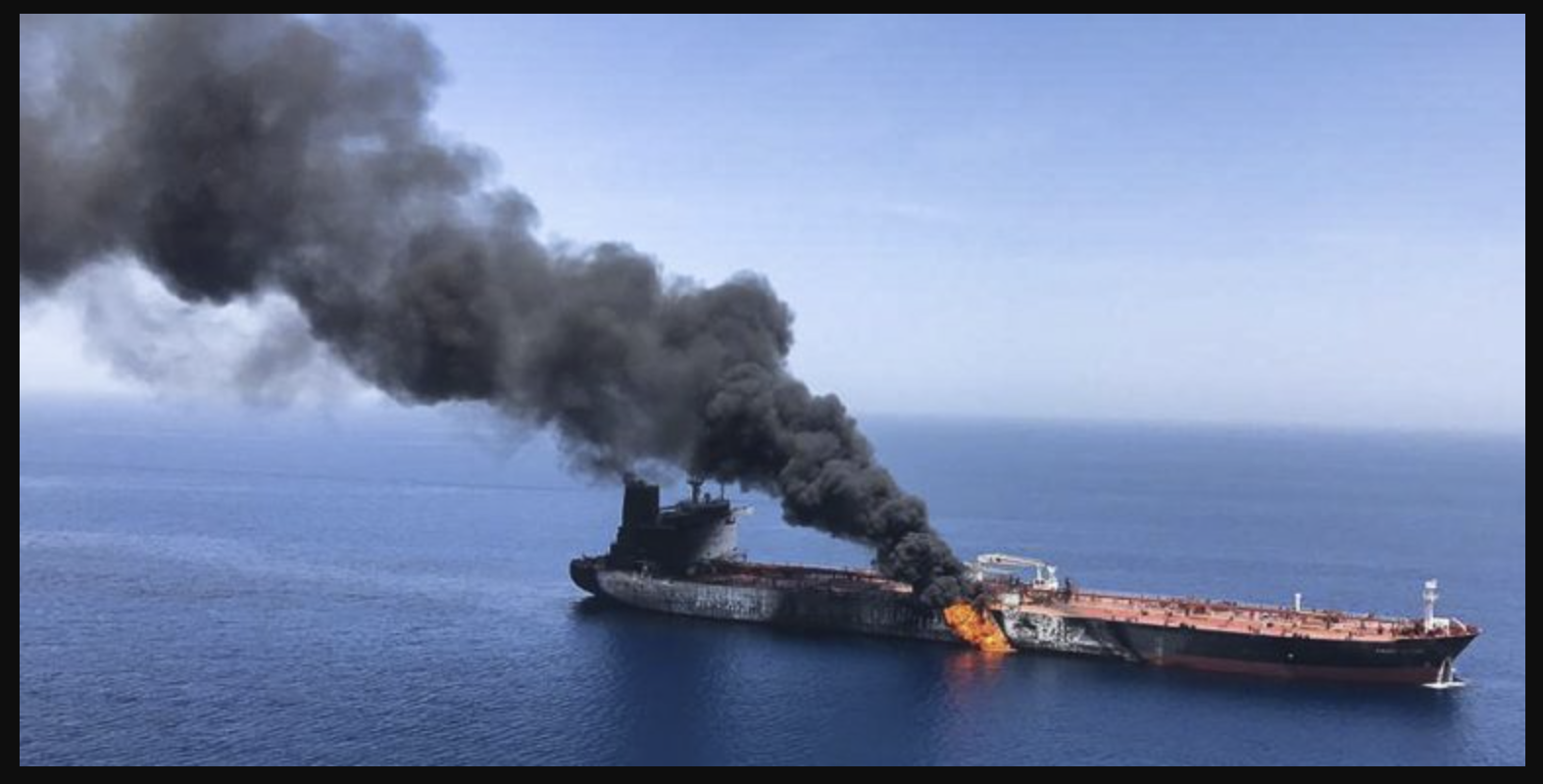
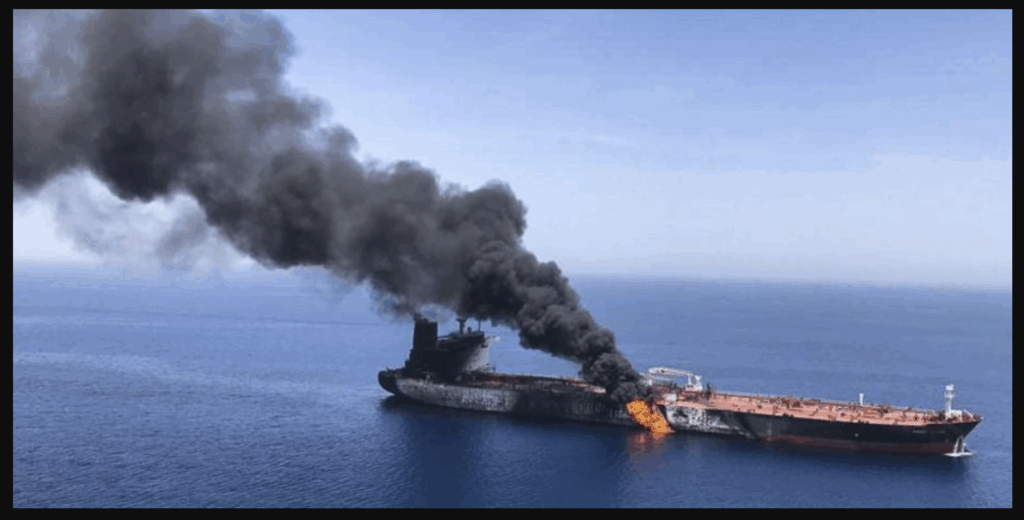
According to data from the Washington Institute for Near East Policy, 37 ships were attacked in the Strait of Hormuz and surrounding waterways during October. This was the highest monthly number since the Middle East war began. At least 10 further attacks were recorded during the first part of November.
A tanker was struck northeast of Lima, Oman, according to the United Kingdom Maritime Trade Operations agency. Separately, Iran’s Revolutionary Guards Navy said two tankers caught fire after hitting naval mines while using what it described as an unauthorised route through the strait.
These incidents have raised concerns about the safety of commercial vessels and the potential disruption of crude oil transportation.
Iran-US Truce Hopes Had Pushed Oil Prices Lower
Oil prices had declined during the previous session after US officials played down the possibility of additional military strikes against Iran.
US Secretary of State Marco Rubio reportedly told G7 allies that economic sanctions and the naval blockade were working effectively, reducing the need for major military operations.
US President Donald Trump also indicated that he would hold off on further military strikes for the time being following appeals from regional countries.
However, an Iranian security official subsequently said that no negotiations were taking place between Washington and Tehran. This uncertainty limited the decline in oil prices.
Market analysts believe that even a diplomatic agreement may not immediately restore normal shipping activity through the Strait of Hormuz. Clearing naval mines, securing insurance coverage and convincing shipping companies to resume operations could take additional time.
US Crude Inventories Increase By 9 Million Barrels
Supply-side developments in other regions are also influencing the oil market.
US crude inventories increased by 9 million barrels during the week ending November 6, according to data from the American Petroleum Institute cited by market sources. Higher inventories can indicate weaker demand or increased supply, potentially limiting further price increases.
Meanwhile, Ukrainian drone attacks have reportedly reduced Russia’s oil refining capacity by approximately 30% since late October.
Russian and Ukrainian officials also held their first peace talks since February in Abu Dhabi, as US representatives attempted to advance negotiations to end the conflict.
Oil Market Remains Sensitive To Geopolitical Developments
The latest movement highlights how quickly crude oil prices can respond to developments in the Middle East. While expectations of reduced military escalation had supported lower prices, continued shipping attacks have kept supply concerns alive.
The direction of oil prices will depend on developments in US-Iran diplomacy, the security situation around the Strait of Hormuz and the ability of shipping companies to resume regular operations.
Summary
Brent crude rose to $92.53 per barrel and WTI reached $86.71 after both benchmarks touched two-month lows. Continued attacks on vessels in the Strait of Hormuz have offset hopes of an Iran-US agreement. Rising US crude inventories and reduced Russian refining capacity are adding further uncertainty to global oil market conditions.