The Lok Sabha has passed the Public Examinations (Prevention of Unfair Means) Amendment Bill, 2026, significantly strengthening India’s anti-paper leak law with stricter punishments, faster investigations and special fast-track courts. The legislation was introduced in response to a series of examination controversies and aims to crack down on organised cheating and paper leak rackets across the country.
The Bill will now move to the Rajya Sabha before becoming law.
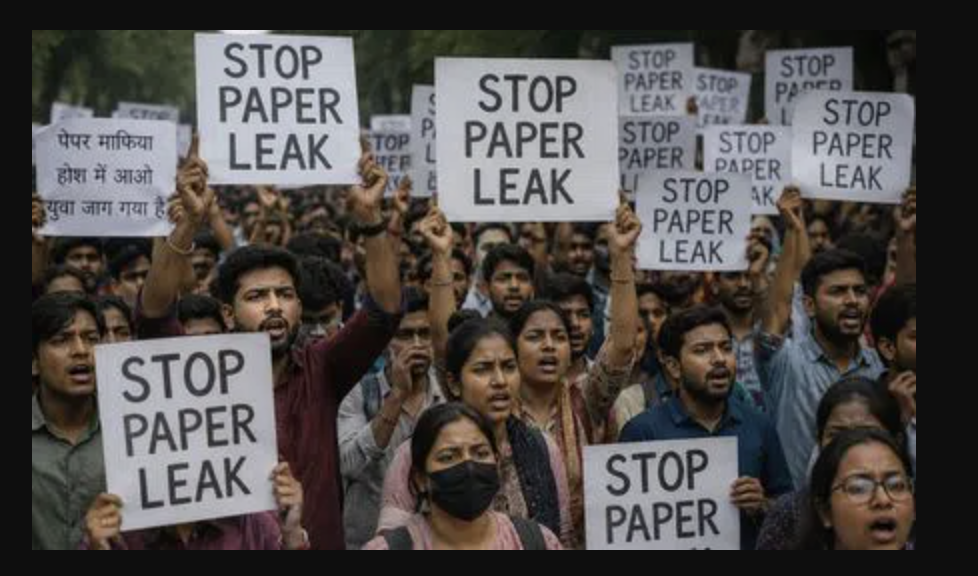
Much Harsher Punishments Introduced
The amended law substantially increases penalties for individuals involved in paper leaks and other unfair practices.
For general offences involving unfair means in public examinations, the punishment has been increased from 3–5 years’ imprisonment to 5–10 years, while the maximum fine has risen from ₹10 lakh to ₹50 lakh.
For organised paper leak syndicates and criminal networks, the punishment has become even stricter. Such offences will now attract at least 7 years’ imprisonment, which may extend to 10 years, along with fines ranging from ₹1 crore to ₹10 crore.
Fast-Track Investigation And Special Courts
One of the key features of the amendment is the introduction of Special Fast-Track Courts for speedy disposal of paper leak cases.
The Bill also provides for the appointment of Special Public Prosecutors and mandates that investigations into examination-related offences be completed within two months. Appeals will also be handled within a time-bound framework to ensure quicker justice.
Special Task Force To Probe Cases
To improve enforcement, the legislation proposes the creation of a Special Task Force (STF) dedicated to investigating paper leaks and organised examination fraud.
The government believes specialised investigation teams will improve coordination among law enforcement agencies and help dismantle organised cheating networks operating across multiple states.
Government Says Students Need Stronger Protection
The amendment strengthens the Public Examinations (Prevention of Unfair Means) Act, 2024, which was enacted after several major examination controversies.
According to the government, the tougher law is intended to restore confidence in public recruitment and entrance examinations by ensuring that honest candidates are protected from organised malpractice.
Officials have described the amendments as a strong deterrent against those attempting to manipulate competitive examinations through paper leaks and cheating.`
What Happens Next?
After clearing the Lok Sabha, the Bill will be taken up in the Rajya Sabha. Once passed by the Upper House and receiving the President’s assent, the amended provisions will come into force.
The legislation is expected to play a major role in strengthening the integrity of recruitment and entrance examinations conducted by central agencies and other public examination authorities across India.
Summary
The Lok Sabha has passed the Public Examinations (Prevention of Unfair Means) Amendment Bill, 2026, introducing tougher penalties for paper leaks. The law raises punishment to 5–10 years in jail and fines up to ₹50 lakh for general offences, while organised paper leak rackets can face up to 10 years’ imprisonment and fines of up to ₹10 crore. The Bill also mandates fast-track investigations, special courts and dedicated task forces to ensure quicker action against examination fraud.