Like a clock that ticks so slowly no ear can hear it, Earth is quietly stretching time itself.
A Planet in Slow Motion
The idea that Earth’s 24-hour day may not be permanent sounds like science fiction, yet scientists confirm it is already happening. The planet’s rotation is gradually slowing, meaning days will become longer—but at a pace so slow that humans cannot perceive it. Viral online claims often exaggerate this phenomenon, creating the impression of an imminent change, when in reality, it unfolds over hundreds of millions of years and has no impact on present-day timekeeping.
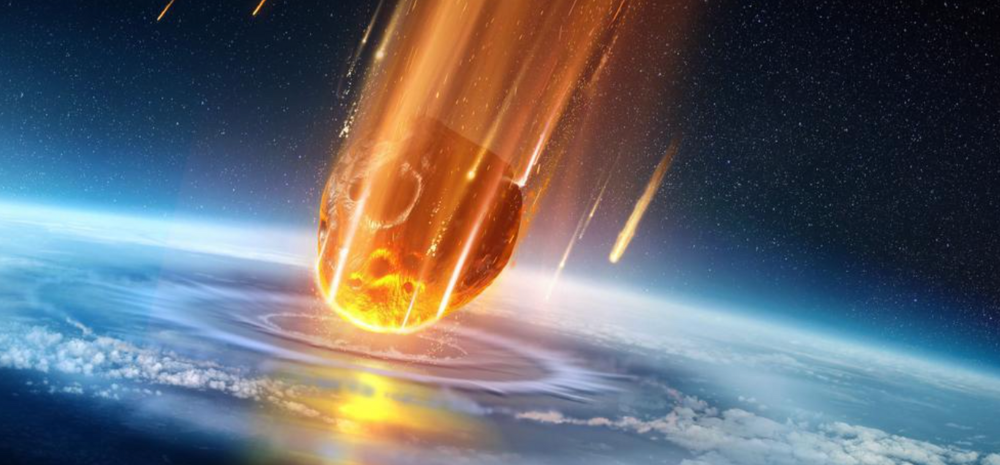
In the long term, Earth’s day could extend to 25 hours—but not for roughly another 200 million years. The slowdown is primarily caused by tidal friction from the Moon, which lengthens the day by about 1.7 milliseconds per century. While this trend is steady, minor short-term variations can occur due to atmospheric shifts or melting ice, slightly altering the planet’s spin.
Several factors contribute to this gradual deceleration. Lunar tides create friction as the Moon’s gravity pulls on Earth’s oceans. Movements within the planet—such as shifts in the molten outer core and mantle—redistribute mass. Changes in glaciers and sea levels also affect rotational speed, while atmospheric winds exchange momentum with the Earth’s surface. Over billions of years, these forces accumulate, steadily lengthening our days. In fact, during the age of dinosaurs, a day lasted only about 23 hours.
What Longer Days Could Mean for Life
If Earth’s day were to suddenly become 25 hours, it would disrupt modern timekeeping and biological systems. Life on Earth is deeply tied to a 24-hour circadian rhythm, which governs sleep, hormones, and essential bodily functions.
Circadian rhythms evolved to match the current length of a day, so any significant shift could push biological systems out of sync. Studies already show that disruptions like jet lag or night shifts can lead to metabolic issues, mood disorders, and cardiovascular problems. A longer day would require organisms to gradually adapt over time, likely through evolutionary changes.
However, such transformation would be incredibly slow. Humanity and other life forms would adjust across generations, making the transition less abrupt than it sounds.
And as Earth turns ever so gently into longer days, time itself reminds us that change need not be felt to be real.
Summary
Earth’s rotation is gradually slowing due to factors like lunar tides, core movements, and climate effects, potentially leading to 25-hour days in about 200 million years. While viral claims exaggerate the timeline, the change is extremely slow and currently imperceptible. Though longer days could disrupt circadian rhythms, life would adapt gradually over generations without immediate impact on humans.