Camera traps have captured the first confirmed movement of wild animals using the dedicated wildlife corridor built under the Delhi-Dehradun Expressway, marking a major development in India’s wildlife-friendly highway infrastructure projects.
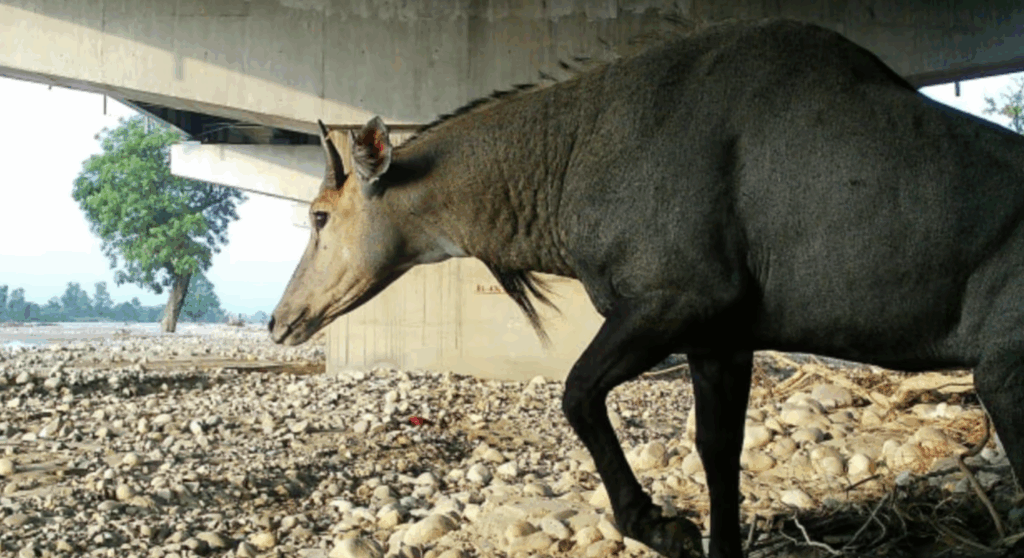
According to reports, the elevated wildlife corridor passing through the Mohand region near Rajaji National Park has recorded multiple species using the underpasses constructed beneath the expressway.
18 Wildlife Species Recorded
A joint study conducted by the Wildlife Institute of India (WII) and the National Highways Authority of India (NHAI) documented 18 wildlife species moving through the animal underpasses beneath the corridor.
Species recorded included elephants, leopards, nilgai, sambar deer, spotted deer, golden jackals, and Indian hares. Reports said golden jackals were among the most frequently captured species in the camera footage.
The study also documented around 60 instances of elephant movement through the corridor, indicating that even large mammals are using the passage successfully.
One Of Asia’s Longest Wildlife Corridors
The wildlife section forms part of the Delhi-Dehradun Economic Corridor and includes nearly 12 km of elevated wildlife infrastructure through eco-sensitive forest regions near Rajaji National Park.
Reports described it as one of Asia’s longest elevated wildlife corridors built under a highway project. The expressway includes dedicated underpasses, elephant crossings, elevated sections, and tunnels aimed at reducing human-animal conflict and roadkill incidents.
Thousands Of Images Recorded During Study
According to officials, researchers deployed nearly 150 camera traps and multiple acoustic monitoring devices along an 18-km stretch between Ganeshpur and Asharodi.
The monitoring exercise reportedly recorded more than 40,000 wildlife images during the study period.
The project is being viewed as an important example of integrating wildlife conservation features into large-scale highway infrastructure development.
Delhi-Dehradun Travel Time Reduced
The Delhi-Dehradun Expressway was inaugurated in April 2026 and is expected to reduce travel time between Delhi and Dehradun from around 6-6.5 hours to nearly 2.5 hours.
The 210-km access-controlled corridor passes through Delhi, Uttar Pradesh, and Uttarakhand and includes multiple tunnels, elevated stretches, and wildlife mitigation systems.
Wildlife-Friendly Infrastructure Gains Attention
Large infrastructure projects passing through forest areas have often raised concerns regarding habitat fragmentation and animal movement disruption.
Officials said the dedicated wildlife corridor was specifically designed to allow safe animal movement beneath the expressway while minimizing ecological impact.
The successful early movement of animals through the underpasses is now being cited as an important case study for future highway and infrastructure projects in ecologically sensitive regions.
Summary
Camera traps have recorded 18 wildlife species, including elephants and leopards, using underpasses beneath the Delhi-Dehradun Expressway wildlife corridor. The elevated 12-km corridor near Rajaji National Park is considered one of Asia’s longest wildlife infrastructure sections. Officials said the project aims to reduce roadkill and human-animal conflict while supporting safe wildlife movement through eco-sensitive forest regions.