India Considers New E-Bus Charging Model
The Centre is exploring a new pantograph-based charging system for high-capacity electric buses, a move that could significantly reduce charging downtime and improve the utilisation of large electric buses in Indian cities.
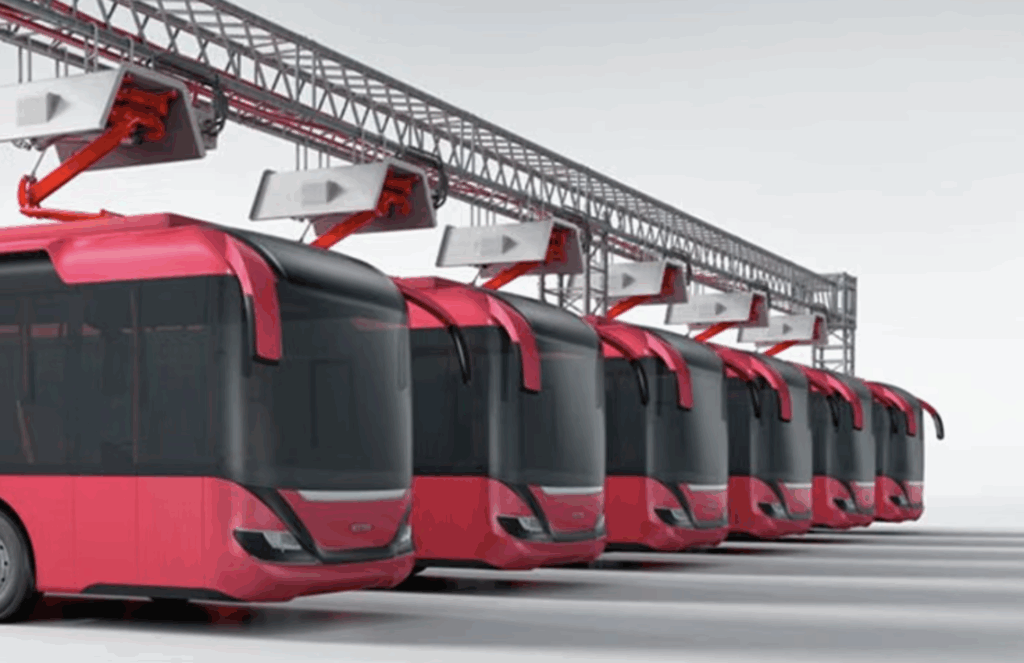
The proposed system is being considered particularly for 18-metre articulated electric buses, which can carry around 130 passengers.
Instead of relying only on conventional depot charging, these buses could receive quick bursts of electricity during their routes, allowing them to spend more time on the road.
What Is Pantograph Charging?
A pantograph charging system uses an overhead charging mechanism that connects with the bus automatically.
When the bus reaches a designated charging point, the pantograph connects with the vehicle and transfers electricity at high power. The process can take place at bus terminals or selected points along a route.
This approach is known as opportunity charging, because the bus gets a quick charge during normal operations rather than having to remain parked for several hours.
Bigger Buses Could Stay On Roads Longer
The technology could be particularly useful for high-capacity articulated buses.
Large electric buses require substantial battery capacity to cover long operating schedules. Larger batteries, however, add weight and increase the cost of the vehicle.
With rapid opportunity charging, operators could potentially use smaller battery packs while keeping buses operational for longer periods.
The result could be better fleet utilisation, reduced charging downtime and potentially lower vehicle weight.
40-45 Buses Could Be Charged Daily
The proposed charging model could significantly increase the number of electric buses that can be supported by a charging facility.
A planned system is expected to have the capacity to charge around 40 to 45 electric buses per day, with opportunity charging accounting for a portion of the overall charging requirement.
Such infrastructure could become particularly useful for cities operating large fleets of electric buses on busy routes where vehicles cannot afford to remain parked for long periods.
Why High-Capacity E-Buses Matter
India’s cities are increasingly looking towards electric buses as a way to reduce emissions from public transport.
However, moving from conventional buses to electric fleets involves challenges related to battery size, charging infrastructure, electricity supply and vehicle utilisation.
High-capacity buses could help transport more passengers with fewer vehicles, but they also require more energy.
A faster charging system could therefore help make larger electric buses more practical for high-demand urban routes.
Pantograph Charging Could Reduce Downtime
One of the biggest advantages of the proposed system is the potential reduction in charging downtime.
Traditional depot charging generally requires buses to remain connected to chargers for extended periods, often during off-peak or overnight hours.
Pantograph-based opportunity charging allows buses to receive additional energy during scheduled breaks or at route terminals.
This could allow operators to keep buses running for longer hours without requiring extremely large battery packs.
New Infrastructure Model Under Consideration
The move also requires a rethink of how electric bus charging infrastructure is planned.
Instead of treating charging as something that happens only inside bus depots, cities could integrate high-power charging points into transport terminals and strategically selected locations along bus routes.
This could make charging infrastructure an integral part of urban public transport planning.
A Potential Boost For India’s Electric Bus Push
If adopted at scale, pantograph charging could help address one of the major challenges facing India’s electric bus transition: keeping large buses operational for long periods while managing battery size and charging requirements.
The Centre’s exploration of the technology indicates that India’s electric mobility strategy is moving beyond simply replacing diesel buses with battery-powered alternatives.
The next challenge will be developing charging infrastructure, power supply systems and operating models that can support high-capacity electric bus fleets efficiently.
Summary
The Centre is exploring pantograph-based rapid charging for high-capacity electric buses, particularly 18-metre articulated buses capable of carrying around 130 passengers. The system would allow buses to receive quick opportunity charges at terminals or along routes, reducing charging downtime and potentially allowing smaller battery packs. A proposed facility could charge around 40 to 45 e-buses a day, supporting India’s wider push towards electric public transport.