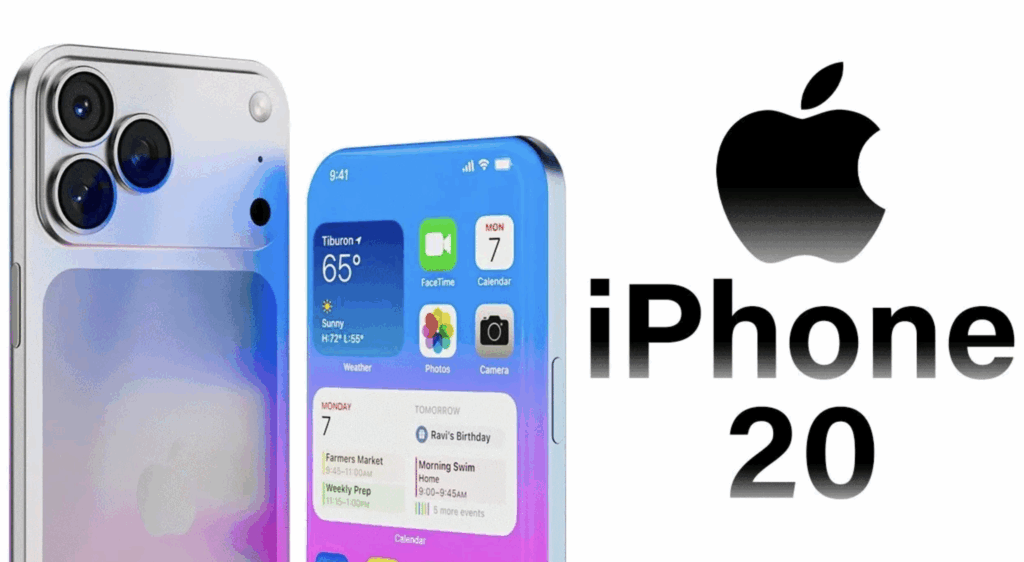
Apple is gearing up for one of the biggest overhauls in its iPhone history. According to research firm Omdia, the company could skip the ‘iPhone 19’ branding altogether and move straight to the ‘iPhone 20’ lineup to celebrate the 20th anniversary of the iPhone in 2027. The move recalls Apple’s 2017 strategy, when it bypassed the iPhone 9 and launched the iPhone X to mark a major milestone.
Expected 2027 Portfolio: From iPhone 18e to Foldables
Omdia’s senior researcher Heo Moo-yeol revealed that Apple may release the iPhone 18e and iPhone 18 in the first half of 2027, followed by a second round featuring the iPhone Air, iPhone 20 Pro, iPhone 20 Pro Max, and next-generation foldable models in the latter half. The introduction of foldables will mark Apple’s entry into the flexible-display smartphone segment, an area currently dominated by Samsung and Google.
Apple’s New Launch Cycle: Twice a Year
Industry expert Ming-Chi Kuo predicts that Apple will shift from its single annual launch to a biannual schedule. This strategy would sustain sales momentum throughout the year and reduce the company’s reliance on its September event. To prepare for this shift, Apple is expected to cut iPhone panel orders by nearly 20 million units in 2026, allowing time for retooling before foldable production ramps up.
iPhone 18 to Miss the 2026 September Launch
As per a report by ETNews, the iPhone 17 series will be the last to follow Apple’s traditional fall release pattern. The iPhone 18 lineup may launch separately in 2027, signaling a new marketing rhythm that differentiates between mainstream and flagship models. This staggered approach could help Apple spread out demand and streamline production cycles.
What It Means for Consumers
While some users may face longer wait times between releases, others will enjoy earlier access to innovations like folding displays and redesigned form factors. The potential rebranding and dual-launch strategy could spark massive excitement ahead of Apple’s 20th iPhone anniversary, reinforcing the brand’s dominance in the premium smartphone market.