Pune is set to witness a major shift in how traffic is monitored and enforced, as AI-powered cameras will soon take over a significant portion of traffic management. Under the Intelligent Traffic Management System (ITMS), authorities plan to deploy AI-based cameras across nearly 500 locations in the city, enabling automatic challans for traffic violations.
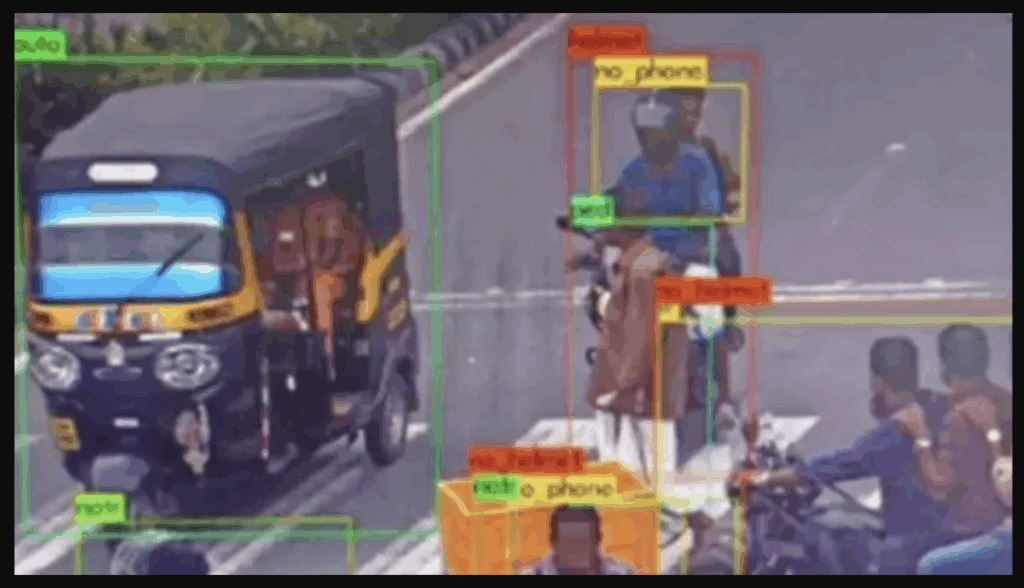
This marks a transition from manual policing to a technology-driven enforcement model aimed at tackling Pune’s growing traffic chaos.
Automatic Challans: 99% Enforcement to Be AI-Driven
One of the most striking aspects of this initiative is the scale of automation. According to officials, nearly 99% of traffic challans in Pune will soon be generated automatically through AI systems.
These smart cameras will detect violations in real time and instantly issue e-challans, reducing human intervention. The idea is simple yet powerful—when rule-breaking leads to certain and immediate penalties, compliance naturally increases.
Authorities are calling this the “certainty of punishment” model, designed to improve discipline among drivers.
Why Pune Needs AI-Based Traffic Control
Pune’s traffic problems are deeply rooted in rapid urban growth and infrastructure limitations. The city currently has around 78 lakh vehicles but only about 7% of land allocated to roads, creating immense pressure on mobility.
In many cases, infrastructure has failed to keep pace with demand. For instance, roads or bridges originally designed for thousands of vehicles are now handling several times their capacity, leading to persistent congestion.
AI-driven systems aim to address this gap by enabling smarter, data-backed traffic management rather than relying solely on physical infrastructure expansion.
How the AI System Will Work
The ITMS cameras will use advanced technologies like Automatic Number Plate Recognition (ANPR) to identify vehicles and detect violations such as:
- Signal jumping
- Overspeeding
- Wrong-side driving
- Illegal parking
- Helmet and seatbelt violations
Once a violation is detected, an e-challan with photographic or video evidence will be generated and sent directly to the vehicle owner.
This not only improves efficiency but also reduces disputes between traffic police and citizens.
A Shift Towards Data-Driven Urban Planning
Beyond enforcement, Pune authorities are also focusing on data-driven planning. Real-time inputs from platforms like Google and TomTom will be used to redesign traffic systems, improve road usage, and reduce congestion hotspots.
This signals a broader transformation—where cities rely on data and AI to solve urban mobility challenges.
The Road Ahead
The introduction of AI-based traffic cameras could be a turning point for Pune. While stricter enforcement may initially lead to more challans, it is expected to gradually improve driving behavior and reduce congestion.
If successful, Pune could become a model for other Indian cities looking to modernize their traffic systems—where technology ensures not just enforcement, but smarter and safer roads.