Bike taxis are increasingly becoming a regular part of Mumbai’s daily commute, with women and younger passengers turning to them for speed, affordability and convenience despite continuing concerns over safety. What initially appeared to be a hesitant experiment is gradually becoming a commuting habit.

Traffic and Short Trips Drive the Shift
Mumbai’s heavy traffic is one of the biggest reasons commuters are opting for two-wheelers. During peak hours, cars, buses and auto-rickshaws can take considerably longer to cover relatively short distances.
Bike taxis offer an alternative by allowing passengers to move through congested roads more easily. For commuters making short trips between railway stations, offices, residential areas and other transit points, the time savings can be significant.
The availability of rides through smartphone apps has also made the service increasingly convenient.
Women Moving From Hesitation to Habit
Women were initially more cautious about using bike taxis, particularly because the service involves travelling with an unfamiliar rider on a two-wheeler.
However, growing familiarity with app-based bookings appears to be changing that behaviour. For many women commuters, the combination of lower fares and shorter travel times has made bike taxis increasingly attractive.
The ability to see rider details through an app and share trip information can also provide an additional layer of reassurance.
Safety Remains a Major Concern
Despite the growing popularity, safety continues to be the biggest barrier to wider adoption.
Passengers have concerns about road accidents, rider behaviour, helmet standards and travelling with an unknown driver, particularly at night. Women can face additional concerns around personal safety and accountability if something goes wrong during a ride.
For bike taxis to become a mainstream alternative, stronger safety measures, proper rider verification and effective grievance mechanisms will be important.
Companies Try to Build Trust
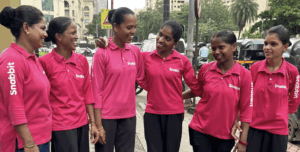
Ride-hailing companies are introducing initiatives aimed at making women more comfortable with bike taxis. Women-focused services and measures intended to improve passenger confidence could play an important role as the sector expands.
The challenge is to make these safeguards consistent rather than relying solely on individual passengers to assess risks before every trip.
Regulation Could Change the Market
The growing demand comes as Maharashtra considers expanding the legal framework for bike taxis. The state currently permits electric two-wheelers with commercial licences for such operations, while authorities are examining proposals for wider participation.
The government has also discussed bringing private two-wheeler owners into a regulated system, potentially formalising a large number of currently unauthorised operators.
If implemented with clear safety standards, regulation could give passengers greater confidence while providing drivers with a more formal source of income.
Convenience Is Winning Over Concerns
For Mumbai’s women, the growing use of bike taxis reflects a practical trade-off. Faster journeys, lower costs and easier availability are encouraging more commuters to overcome their initial hesitation.
The next stage of the industry’s growth, however, will depend on whether convenience can be matched with reliable safety standards.
Summary: Bike taxis are gaining popularity among Mumbai’s women as traffic congestion, expensive alternatives and the difficulty of securing quick short-distance rides make two-wheelers attractive. While speed and affordability are turning initial hesitation into regular usage, safety remains a major concern. Stronger regulation, rider verification and women-focused safety measures could determine how quickly the service expands.