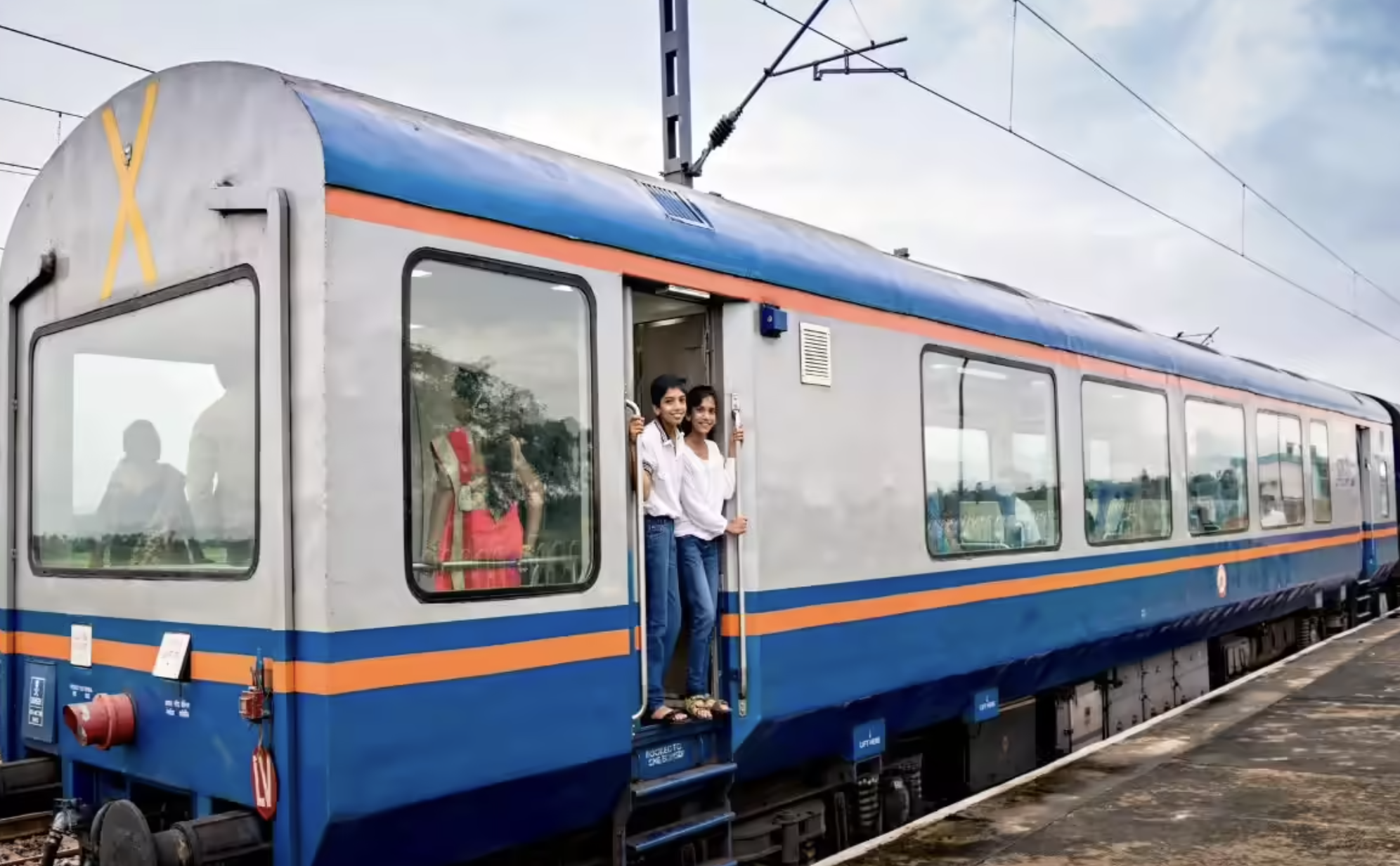
Indian Railways has achieved 99.6% electrification of its broad-gauge rail network, marking one of the largest railway electrification drives globally. Officials said the national transporter now operates nearly 25,000 trains daily and carried around 741 crore passengers during FY 2025-26.
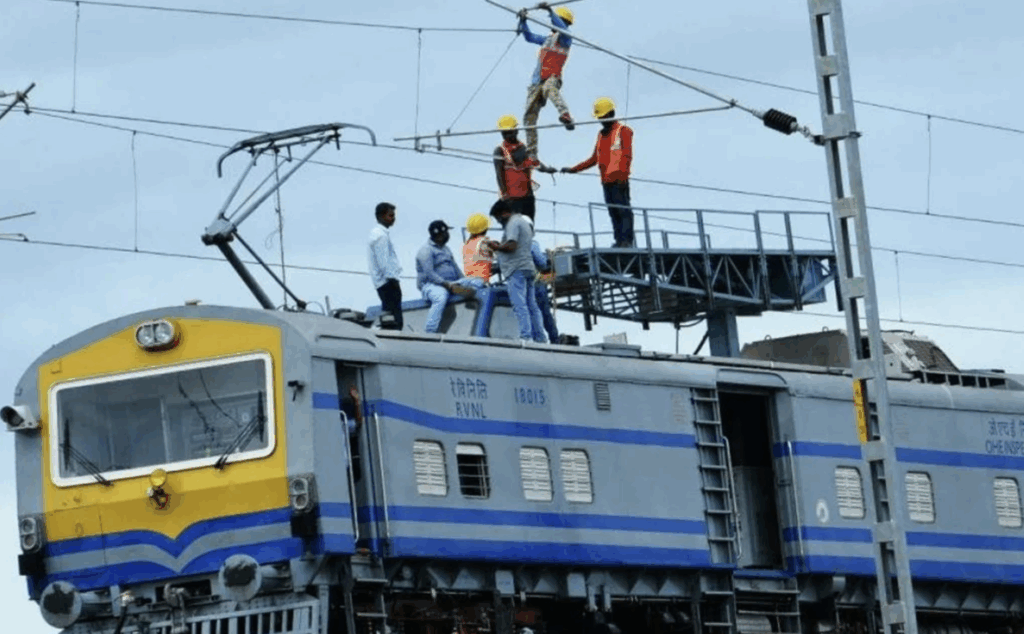
According to government data, Indian Railways also recorded freight movement of nearly 1,670 million tonnes during the same financial year while total revenue reached approximately ₹80,000 crore.
Electrification Expanded Rapidly Since 2014
Reports said only about 20% of India’s railway network was electrified in 2014, resulting in heavy dependence on diesel-powered locomotives. As of March 2026, nearly 69,873 route kilometres have been electrified, compared to around 21,801 route kilometres in 2014.
The transition toward electrification has helped reduce diesel consumption and improve operational efficiency across the rail network.
Railways Saved Massive Diesel Costs
Government estimates indicated that Indian Railways saved nearly 180 crore litres of diesel during FY 2024-25 due to increased electrification. The reduced fuel consumption reportedly generated savings of around ₹6,000 crore.
Officials also stated that electrification has helped lower dependence on imported crude oil while reducing carbon emissions associated with diesel locomotives.
Passenger And Freight Operations Continue Expanding
Indian Railways remains one of the world’s largest rail transport systems by passenger volume. During FY 2025-26, the network transported around 741 crore passengers while maintaining daily operations of approximately 25,000 trains.
Freight movement also reached record levels at nearly 1,670 million tonnes, reflecting increasing demand for rail-based cargo transportation across industrial and logistics sectors.
Vande Bharat Network Sees Growth
Reports said premium train services under the Vande Bharat Express network carried around 3.98 crore passengers during FY 2025-26. Since launch, Vande Bharat trains have reportedly transported more than 9.1 crore passengers across India.
Indian Railways also launched Vande Bharat Sleeper services in January 2026, with over 1.21 lakh passengers travelling through the service during its first three months of operation.
Safety And Technology Upgrades Continue
The Railways has expanded deployment of the indigenous Kavach Automatic Train Protection system across more than 3,100 route kilometres, while implementation work is ongoing on an additional 24,400 kilometres.
Officials also expanded AI-enabled video surveillance systems, passenger information systems, and upgraded telecom infrastructure across railway stations and operational corridors.
High-Speed Rail Expansion Planned
The Union Budget 2026-27 allocated a record ₹2.78 lakh crore capital outlay for Indian Railways. Reports said the government is planning seven high-speed rail corridors covering nearly 4,000 kilometres.
Projects including the Mumbai-Ahmedabad Bullet Train, Vande Bharat expansion, and dedicated freight corridors remain key parts of India’s railway modernization strategy.
Summary
Indian Railways has achieved 99.6% electrification of its broad-gauge network and carried around 741 crore passengers during FY 2025-26. The national transporter now operates nearly 25,000 trains daily and recorded freight movement of 1,670 million tonnes. Officials said electrification has reduced diesel dependence, improved efficiency, and supported India’s broader railway modernization and high-speed rail expansion plans.