Public Support Remains Under Pressure
US President Donald Trump’s approval rating remains close to the lowest levels of his current term, according to a recent Reuters/Ipsos poll. The survey highlights growing public dissatisfaction with the administration’s handling of inflation, fuel prices, and the overall cost of living. Rising economic concerns appear to be overshadowing several of the administration’s policy initiatives as voters increasingly focus on household finances.
Cost of Living Emerges as Biggest Concern
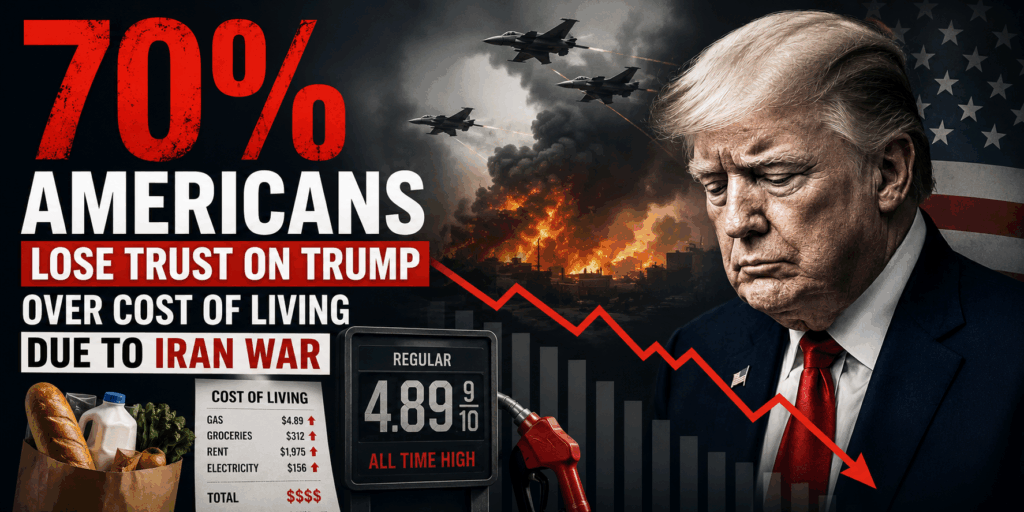
The poll found that only 22% of respondents approve of Trump’s handling of living costs, while 70% disapprove. The figures indicate that inflation and affordability remain among the most pressing issues for American households. Food prices, fuel expenses, and other everyday costs continue to strain family budgets, contributing to widespread dissatisfaction across voter groups.
Iran Conflict Adds Economic Pressure
Analysts believe the ongoing conflict involving Iran has played a significant role in worsening public sentiment. Disruptions to global energy markets have contributed to higher fuel costs, affecting transportation, logistics, and consumer prices throughout the economy. Many Americans expect gasoline prices to increase further in the coming months, adding to concerns about inflation and purchasing power.
Approval Ratings Reflect Economic Anxiety
Trump’s overall approval rating stands at approximately 35%, remaining close to record lows seen during recent months. While the president continues to enjoy strong support among his core voter base, surveys suggest that independent voters and some Republicans have become increasingly concerned about economic conditions. The administration’s challenge now lies in convincing voters that its policies can stabilize prices and improve household finances before the upcoming midterm elections.
Political Implications Ahead of Midterms
The poll’s findings could have significant implications for the political landscape ahead of November’s congressional elections. Economic issues historically play a major role in shaping voter behavior, and persistent concerns over inflation may influence electoral outcomes. Both Democrats and Republicans are expected to make the economy a central campaign issue as the election season intensifies.
Economy Likely to Remain in Focus
With inflation remaining above target levels and energy markets facing continued uncertainty, economic performance is expected to remain at the center of public debate. Policymakers, investors, and voters alike will closely monitor developments in fuel prices, consumer spending, and inflation data in the months ahead.
Summary: Donald Trump’s approval rating remains near record lows as Americans express growing frustration over inflation and living costs. A Reuters/Ipsos poll found that 70% disapprove of his handling of affordability issues, while only 22% approve. Rising fuel prices linked to global energy disruptions have intensified economic concerns, making cost-of-living pressures a key issue ahead of the US midterm elections.