Donald Trump has informed the U.S. Congress that hostilities with Iran have been “terminated.” This refers to the military conflict that began in late February 2026.
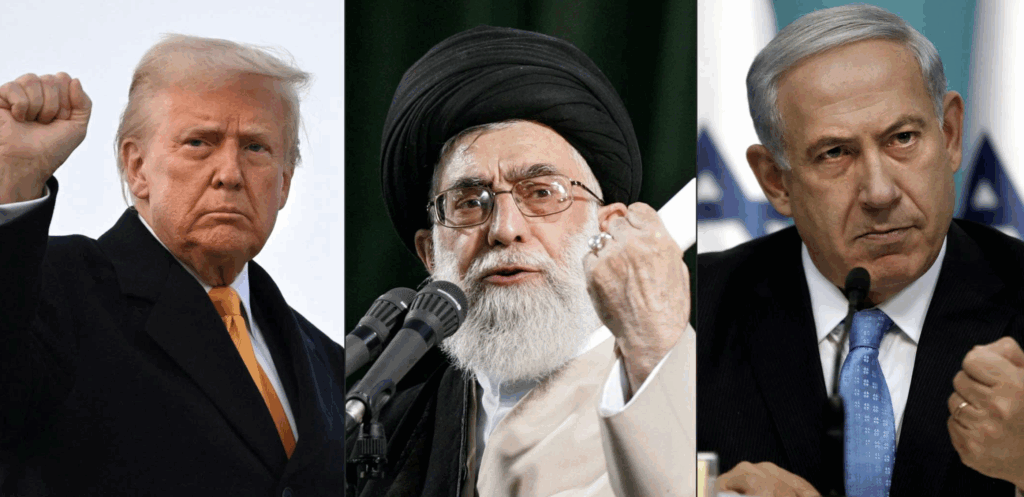
The announcement is tied to a legal requirement under the War Powers Resolution, which limits how long a president can conduct military operations without congressional approval.
In simple terms:
- The U.S. is saying active fighting has stopped
- It is not claiming a full peace agreement or end of tensions
Why Now? The 60-Day War Powers Deadline
Under U.S. law, the president must either:
- End military action within 60 days, or
- Get approval from Congress
Trump’s declaration comes exactly at this deadline, allowing the administration to argue that the requirement no longer applies because fighting has ceased.
However, critics say this is a legal workaround, not a clear end to the conflict.
Ceasefire vs. End of War
The “termination” is based on a ceasefire that began in early April, after weeks of conflict.
But here’s the key distinction:
- Ceasefire = pause in fighting
- War ending = formal agreement + withdrawal
Right now:
- No major exchanges of fire have occurred recently
- But U.S. military presence and operations continue
Conflict Is Not Fully Over
Despite the announcement, several factors show tensions remain:
- A U.S. naval blockade around Iran is still in place
- Diplomatic talks are ongoing but unresolved
- Trump has not ruled out future military action
In fact, officials have indicated that any new escalation could be treated as a separate conflict legally.
Political and Legal Pushback
The move has triggered strong reactions in the U.S.:
- Critics argue the war is not truly over
- Some lawmakers say Congress is being bypassed
- Legal experts dispute the claim that a ceasefire pauses the war powers clock
This has turned the issue into both a foreign policy and constitutional debate.
The Bigger Picture
The conflict itself began after U.S.-Israel strikes on Iran in February 2026, followed by retaliation and a tense standoff around the Strait of Hormuz.
A temporary ceasefire was reached in April, but negotiations for a lasting peace are still uncertain.
Bottom Line
Trump’s statement doesn’t mean the Iran conflict is fully over—it means active fighting has paused, allowing the administration to meet legal requirements.
The situation remains fragile, with:
- Ongoing military presence
- Unresolved diplomacy
- Possibility of renewed conflict