The United Arab Emirates (UAE) is accelerating construction of a major new oil pipeline project aimed at bypassing the Strait of Hormuz, one of the world’s most strategically important energy chokepoints.
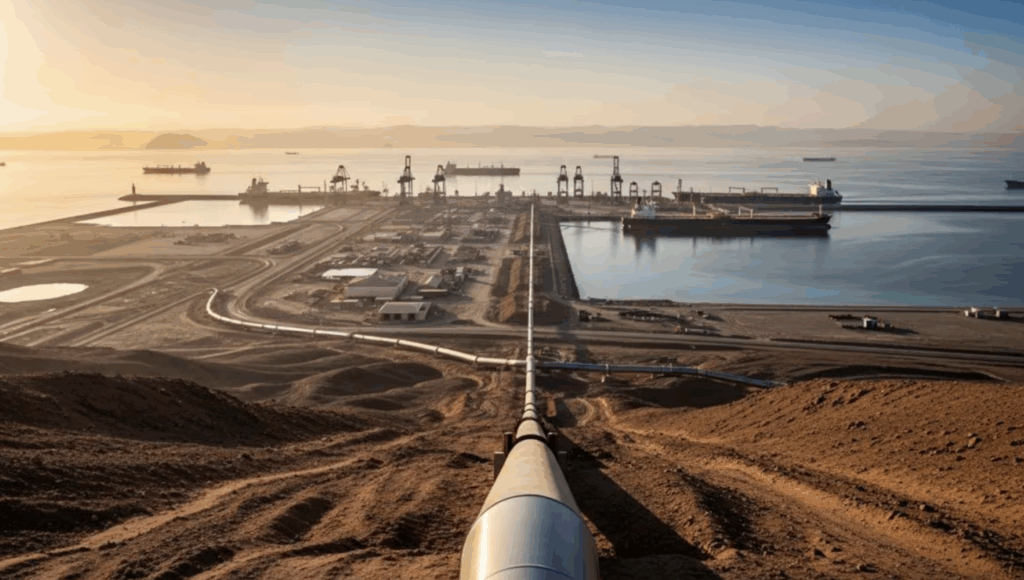
The project is designed to significantly expand the UAE’s ability to export crude oil through Fujairah on the Gulf of Oman without depending on the Strait of Hormuz, where geopolitical tensions and shipping disruptions have intensified in recent months.
Pipeline To Double Export Capacity
According to reports, the new West-East Pipeline project is expected to double the UAE’s crude export capacity through Fujairah by 2027. The project is being fast-tracked under the direction of Abu Dhabi Crown Prince Sheikh Khaled bin Mohamed bin Zayed Al Nahyan.
The UAE already operates the Abu Dhabi Crude Oil Pipeline, also known as the Habshan-Fujairah pipeline, which currently transports up to 1.8 million barrels of crude oil per day directly to Fujairah, bypassing the Strait of Hormuz.
The new expansion is expected to raise total bypass export capacity to nearly 3.6 million barrels per day.
Strait Of Hormuz Remains Global Energy Chokepoint
The Strait of Hormuz handles nearly one-fifth of global oil and liquefied natural gas shipments during normal conditions, making it one of the world’s most critical maritime trade routes.
Recent conflict and maritime tensions involving Iran have disrupted shipping movements across the region, raising concerns over global energy supplies and fuel prices. Several commercial vessels have reportedly faced delays, rerouting, or security risks near the strait.
Energy markets have remained volatile amid fears that any prolonged disruption could impact oil exports from Gulf countries including Saudi Arabia, the UAE, Kuwait, Iraq, and Qatar.
Gulf Countries Expand Alternative Routes
The UAE’s move is part of a broader regional strategy among Gulf nations to reduce dependence on the Strait of Hormuz. Countries across the Middle East are increasingly investing in overland pipelines, storage hubs, and alternative export corridors.
Saudi Arabia already operates pipelines that bypass the Strait through the Red Sea, while Iraq and other regional players are exploring additional export routes through Jordan and other neighboring countries.
Industry experts said the growing focus on alternative infrastructure reflects increasing concerns over geopolitical risks in the Gulf region and the vulnerability of global energy supply chains.
Fujairah Gains Strategic Importance
Fujairah has emerged as one of the UAE’s most important energy hubs because of its location outside the Strait of Hormuz. The port city already serves as a major oil storage, bunkering, and export center for international energy markets.
Expanding pipeline connectivity to Fujairah is expected to improve export security and provide greater flexibility for UAE energy shipments during periods of regional instability.