US President Donald Trump has approved new fuel economy standards that effectively end a key Biden-era policy designed to encourage automakers to shift towards electric vehicles.
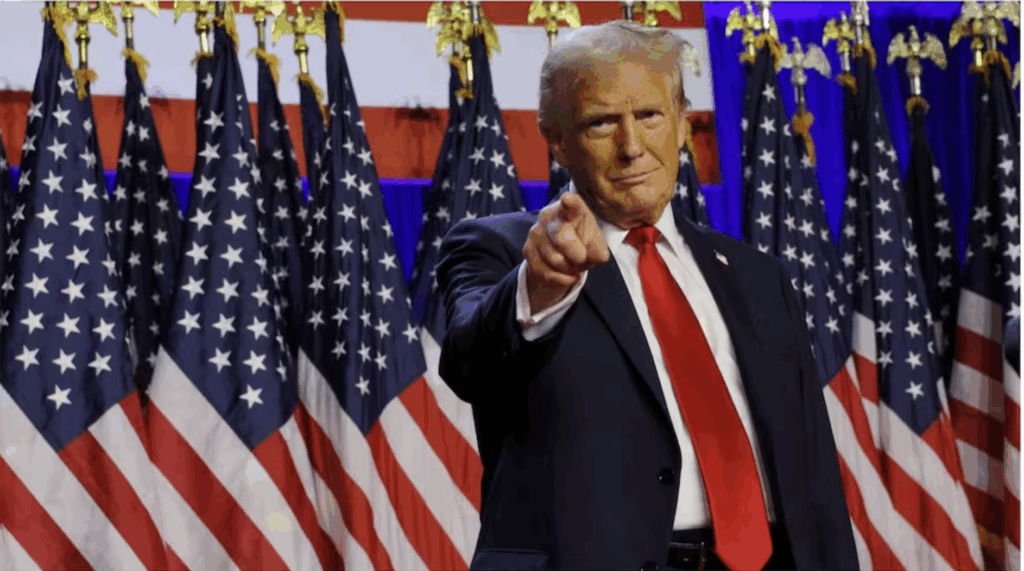
Trump announced the move on September 26, saying the new standards would reduce regulatory pressure on car manufacturers and give consumers more choice. The changes represent another major reversal of US electric vehicle policy under his administration.
New Fuel Economy Standards Approved
The new standards replace rules introduced during the Biden administration that set increasingly strict pollution and fuel economy requirements for vehicle manufacturers.
Although the Biden rules did not legally require Americans to buy electric cars, the requirements were designed in a way that encouraged automakers to sell more electric and low-emission vehicles to meet fleet targets.
Trump has repeatedly referred to these requirements as an EV mandate.
Trump Says Cars Will Become Cheaper
Trump argued that eliminating the requirements will reduce the cost of manufacturing vehicles in the United States.
He said the new standards would result in lower prices and give American consumers more freedom to choose between petrol-powered vehicles, hybrids and electric cars.
The administration has also argued that the earlier regulations imposed significant compliance costs on automakers.
What Changes For Automakers?
The revised rules give automakers greater flexibility over the types of vehicles they produce and sell.
Companies will face less regulatory pressure to increase the proportion of electric and low-emission vehicles in their fleets.
This could allow manufacturers to continue producing petrol-powered SUVs, pickup trucks and other larger vehicles for which demand remains strong in the US market.
EV Industry Faces A Policy Shift
The decision comes after the Trump administration had already taken several steps to reduce federal support for electric vehicles.
Federal EV purchase incentives have been eliminated, while funding and regulatory initiatives supporting charging infrastructure and EV adoption have also been scaled back.
The changes have contributed to a significant shift in the outlook for the US electric vehicle market.
EV Sales Have Come Under Pressure
US EV sales have weakened following the removal of federal incentives.
Data cited in recent industry analysis showed US EV sales declining sharply in 2026, even as electric vehicle demand continues to grow in several other major markets.
Automakers have responded by adjusting their product plans, with some companies delaying or cancelling previously announced EV investments while increasing focus on conventional vehicles and hybrids.
California Remains A Major Complication
The federal rollback does not automatically eliminate all state-level electric vehicle regulations.
California has historically maintained stricter emissions rules than the federal government and has its own policies promoting zero-emission vehicles.
The Trump administration has been challenging California’s authority to maintain those rules, creating an ongoing legal and regulatory dispute over the state’s future EV requirements.
US Auto Industry Enters A New Phase
The latest decision gives American automakers greater freedom to determine their vehicle mix based on consumer demand rather than federal emissions requirements.
However, the move also creates uncertainty for companies that have invested billions of dollars in EV factories, batteries and charging infrastructure.
With federal policy moving away from mandatory EV adoption and manufacturers reassessing their strategies, the US automobile industry is entering a significantly different phase of its electric vehicle transition.
Summary
President Donald Trump has approved new US fuel economy standards that eliminate a major Biden-era regulatory framework encouraging automakers to increase electric and low-emission vehicle sales. The administration says the changes will reduce manufacturing costs and expand consumer choice. Automakers will have greater flexibility to produce petrol vehicles, hybrids and EVs, while California’s separate EV policies remain subject to ongoing legal disputes.