Mining Bill Seeks To Restrict State Tax Powers
Tamil Nadu could lose a significant part of its power to levy taxes, cess, royalty and other charges on mineral extraction if the proposed MMDR Bill 2026 becomes law.
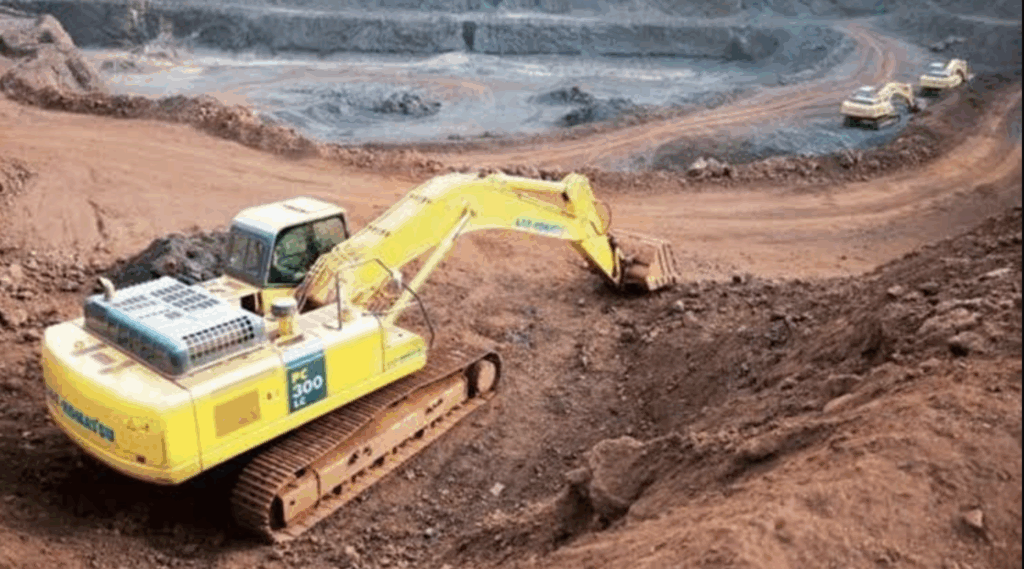
The Bill, introduced in Parliament on Monday, proposes amendments to the Mines and Minerals (Development and Regulation) Act. Under the proposed changes, states would be allowed to impose taxes or cess on minerals only in accordance with conditions and restrictions prescribed by the Centre.
The move could have a major impact on states that depend on mining-related revenue.
Tamil Nadu Earned ₹4,400 Crore From Mining
Tamil Nadu earned around ₹4,400 crore from the mining sector in 2025-26 through the regulation of mining and minerals.
The state has set an ambitious target of increasing this revenue to around ₹11,000 crore in 2026-27.
A large portion of the existing revenue comes from mineral-bearing land tax and fees collected for mining and quarrying concessions.
The state collected around ₹3,000 crore through mineral-bearing land tax and another ₹1,100 crore through fees for concessions involving major and minor minerals.
Bill Could Affect Existing Levies
The proposed amendments seek to restrict states from independently imposing taxes and other charges on mineral extraction within their territories.
The Bill also proposes waiving existing taxes, cess and other charges imposed by state governments on mineral extraction that remain unpaid by mining operators from the date the amended MMDR Act comes into force.
This could create another potential source of revenue loss for Tamil Nadu.
Illegal Mining Penalties Could Also Be Affected
Tamil Nadu also earns revenue through mineral royalties, the green fund and contributions to the District Mineral Foundation Trust from mining lessees.
The proposed changes could have implications for penalties imposed in cases involving illegal or excess extraction of minerals.
The state has imposed crores of rupees in penalties for such violations, and the proposed waiver of certain unpaid levies could reduce the amount that the state is able to recover.
Proposed Law Seeks To Override Supreme Court Rulings
Another significant aspect of the Bill is its proposed impact on recent Supreme Court judgments.
The amendments seek to override the recent judgment of a nine-judge Constitution Bench, which upheld the power of states to levy taxes on mineral-bearing lands and clarified the distinction between royalty and taxation.
The proposed Section 9D of the MMDR Act states that no tax, cess or similar levy can be imposed by a state government on mineral rights except according to conditions or restrictions prescribed by the Centre.
Tamil Nadu Officials Say State Was Not Consulted
Officials from Tamil Nadu’s Geology and Mining Department said a video conference had been held a few weeks ago regarding the MMDR Bill, with state government officials participating.
However, according to the officials, the contents of the Bill were not disclosed and the state government was not consulted before the proposed legislation was introduced.
A retired official said the proposed provision could significantly restrict the state’s ability to collect taxes and other levies from minerals.
If the Bill is passed in Parliament, the state government may have to approach the Supreme Court to challenge the provision.
Centre-State Revenue Powers At The Centre Of Debate
The proposed mining amendments have therefore opened another debate over the financial powers of states.
For Tamil Nadu, the issue is particularly important because mining currently contributes thousands of crores of rupees to state revenue, while the government has set an even higher target for the current financial year.
If the proposed restrictions become law, the state could face a significant reduction in its ability to raise revenue from mineral resources within its territory.
Summary
The proposed MMDR Bill 2026 could restrict states from independently imposing taxes, cess, royalty and other charges on mineral extraction. Tamil Nadu earned around ₹4,400 crore from mining in 2025-26 and has targeted ₹11,000 crore in 2026-27. The Bill could also waive certain unpaid state levies and seeks to override a recent nine-judge Supreme Court ruling on states’ taxation powers over mineral-bearing lands.