A shocking case of negligence has emerged from Mohali, where Indian Railways has been penalised after a senior citizen was forced to travel for over 24 hours without access to usable toilets.

What Happened During the Journey?
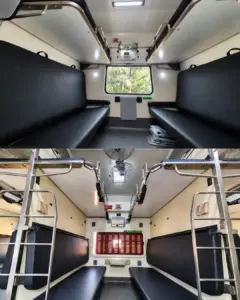
The incident involved a 72-year-old passenger, Surinder Kumar Munshi, who was travelling in an AC 3-tier coach on a Jammu Tawi–Bandra Terminus Special train.
Soon after boarding, he discovered that all toilets in the coach were filthy and unusable. Despite repeatedly raising the issue with the TTE at multiple stations—including Ambala, Mathura, Kota, and Ratlam—no action was taken throughout the journey.
He also lodged complaints via official grievance platforms, but received no effective resolution.
Consumer Court Slams Railways
The District Consumer Disputes Redressal Commission in Mohali took serious note of the case and held the Railways guilty of deficiency in service and negligence.
The commission ruled that:
- Basic amenities like toilets are an integral part of paid railway services
- Outsourcing cleaning to contractors does not absolve responsibility
This directly rejected the Railways’ defense that sanitation is not a “service” since no separate charge is levied.
₹60,000 Penalty Imposed
The commission ordered Indian Railways to pay a total penalty of ₹60,000, which includes:
- ₹30,000 compensation to the passenger
- ₹15,000 to the legal aid account
- ₹15,000 to the consumer court bar association
The authority also highlighted that the elderly passenger suffered “severe physical discomfort, mental agony and harassment” due to the situation.
A Larger Issue of Accountability
This case raises serious concerns about:
- Hygiene standards in long-distance trains
- Responsiveness of onboard staff
- Effectiveness of grievance redressal systems
Even after multiple complaints during the journey, no corrective action was taken, pointing to systemic gaps in railway operations.
Why This Matters
For millions of Indians who rely on trains daily, basic sanitation is not optional—it’s essential.
This ruling sends a strong message that public service providers like Indian Railways will be held accountable for passenger welfare, especially when it comes to senior citizens and vulnerable groups.