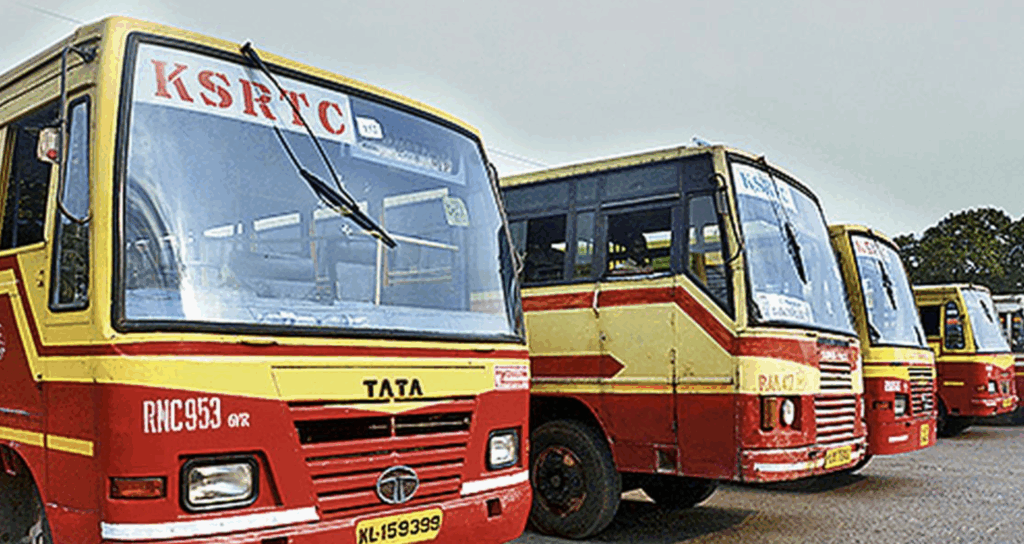
A recent ruling against the Kerala State Road Transport Corporation (KSRTC) has once again highlighted the importance of passenger rights and accountability in public transport. The case, involving an ailing passenger who was denied basic support during travel, has sparked conversations around service standards and humane treatment.
What Happened?
The incident took place during a journey from Amballur in Thrissur to Kolappuram in Malappuram. The passenger, Mohammed Zainudheen Kormath, boarded a KSRTC bus but found no vacant seats. Despite informing the conductor about his medical condition and inability to stand for long, he was assured that a seat would be available later.
When seats eventually became available, he briefly occupied one. However, he was asked to vacate it after another passenger claimed it was reserved. Left with no alternative, he had to continue the journey standing despite his illness.
To make matters worse, the bus did not stop at his designated destination. Instead, he was forced to get down at a different location, causing further inconvenience and hardship.
Consumer Commission’s Verdict
The Malappuram District Consumer Commission ruled in favor of the passenger, terming the incident as a clear “deficiency in service.” The commission ordered KSRTC to pay ₹30,000 as compensation, which included damages and litigation costs.
The ruling emphasized two major failures:
- Not accommodating a medically unfit passenger
- Failing to drop the passenger at the designated stop
These lapses were deemed unacceptable for a public transport provider.
Why This Case Matters
This case goes beyond a single incident—it underscores systemic issues in public transport services. KSRTC, one of India’s largest state-run transport networks, serves millions of passengers daily.
When such an organization fails to uphold basic standards, it raises serious concerns about:
- Passenger safety and dignity
- Staff accountability
- Awareness of consumer rights
The judgment sends a strong message that public service providers are legally bound to ensure minimum service standards.
The Larger Lesson for Public Transport
This ruling reinforces the idea that passengers are not helpless. Consumer forums can act as powerful tools for justice when services fall short. It also highlights the need for better staff training, clearer seating policies, and stricter adherence to passenger welfare norms.
For commuters, the takeaway is clear: knowing your rights can make a difference. For transport authorities, it’s a reminder that empathy and responsibility are just as important as operational efficiency.