The RAM Price Crisis Has Arrived
Computer memory has become dramatically more expensive over the past year, with some DDR5 RAM kits recording price increases of nearly 500%.
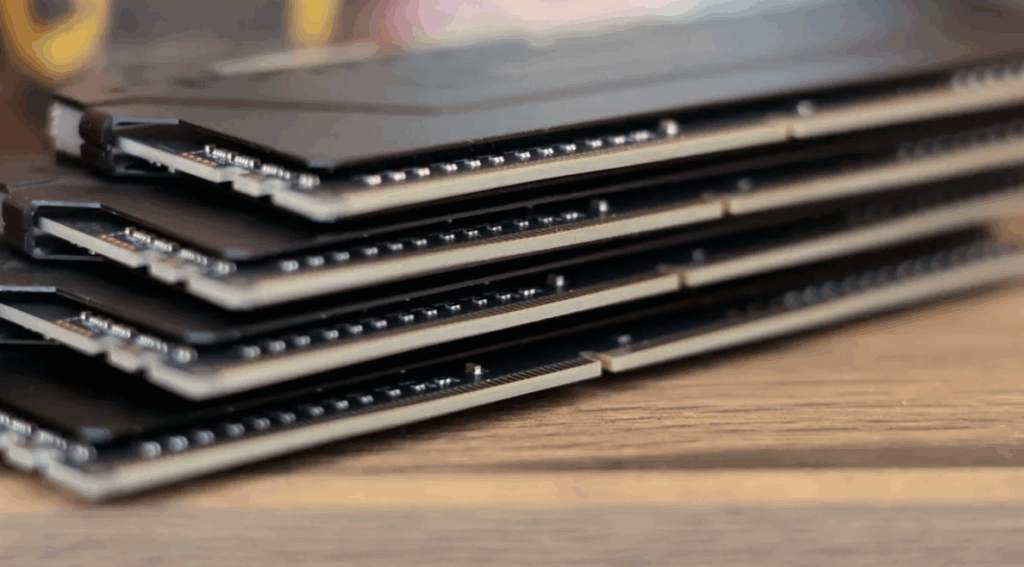
The scale of the increase is particularly shocking at the high end. A 128GB DDR5-6400 kit that previously reached a record-low price of $329 is now listed at $3,399 — more than 10 times its previous lowest price.
The price surge is no longer limited to premium memory. Mainstream DDR5 kits have also become significantly more expensive, creating problems for PC builders, gamers and manufacturers.
32GB RAM Is No Longer Cheap
According to recent price tracking, the average price of a 32GB DDR5-6000 kit has risen from around $222 in August 2025 to approximately $1,272 in August 2026.
That represents an increase of roughly 473% in just 12 months.
Other 32GB DDR5 configurations have experienced similar increases.
A 2x16GB DDR5-4800 kit, for example, has risen from an average of around $90 to approximately $425.
Even the more affordable memory configurations are therefore becoming increasingly difficult for consumers to justify.
128GB DDR5 Has Become Extremely Expensive
The most dramatic example is the 128GB DDR5-6400 kit.
Its previous lowest recorded price was around $329.
Today, the same capacity and speed category can cost as much as $3,399.
That means a memory upgrade that once cost a few hundred dollars can now cost more than an entire high-end gaming PC.
The increase illustrates just how severely the memory market has been disrupted.
AI Is Driving The Memory Shortage
The biggest reason behind the crisis is the explosive growth of artificial intelligence.
AI data centres require enormous quantities of high-performance memory, particularly High Bandwidth Memory (HBM) used alongside advanced AI processors.
Memory manufacturers such as Samsung, SK hynix and Micron are increasingly prioritising these higher-margin products.
That leaves less manufacturing capacity available for conventional consumer DRAM, including the DDR5 memory used in PCs.
The result is a supply squeeze that is pushing consumer RAM prices sharply higher.
Memory Manufacturers Are Prioritising AI
The economics are difficult for PC buyers.
AI-related memory products are considerably more lucrative for manufacturers than traditional consumer DRAM.
As demand for AI infrastructure continues to grow, manufacturers have a strong incentive to allocate production capacity towards HBM and other data-centre products.
PC users are therefore competing for a shrinking share of available memory production.
This is turning what was once an inexpensive PC component into one of the most expensive parts of a new computer.
Even DDR4 Is Getting More Expensive
Consumers might normally respond to expensive DDR5 by choosing an older DDR4-based platform.
But that escape route is also becoming less attractive.
DDR4 prices have risen substantially as manufacturers reduce production while demand remains from users who want to extend the life of older PCs.
Some 32GB DDR4 kits that previously sold for around $60-$90 have moved well above $150.
So switching to older technology does not necessarily provide the dramatic savings it once did.
PC Builders Are Changing Their Plans
The memory shortage is already influencing purchasing decisions.
Some consumers are delaying upgrades, while others are choosing older CPU platforms that support cheaper memory.
There is also growing interest in pre-built PCs and processor-memory bundles, where manufacturers can sometimes offer RAM at a lower effective cost.
For enthusiasts building systems themselves, however, memory has become a major obstacle.
Laptops And PCs Could Become More Expensive
The problem does not stop at individual RAM kits.
Computer manufacturers also need enormous quantities of memory.
As component costs rise, PC and laptop makers have several choices: increase prices, reduce memory configurations, absorb lower margins or combine several of these strategies.
Consumers could therefore see more entry-level machines shipping with lower RAM capacities, while higher-memory configurations become increasingly expensive.
AI Could Make Your Next PC More Expensive
There is an unusual irony behind the situation.
Artificial intelligence is helping make computers more capable, but the infrastructure required to run AI is also making some of the components inside ordinary computers more expensive.
The same global memory industry is serving both markets.
As AI companies build increasingly large data centres, consumer electronics manufacturers are finding themselves competing for memory supply.
This could eventually affect not just RAM prices, but also the prices of laptops, desktops, gaming consoles and other electronics.
The Shortage Could Last For Years
The biggest concern is that this may not be a temporary price spike.
Building new memory manufacturing capacity takes years, while AI infrastructure investment continues to expand rapidly.
Industry forecasts suggest that memory supply could remain tight well into the next few years.
If AI demand remains strong, consumers may have to get used to significantly higher RAM prices compared with the levels seen in 2024 and 2025.
Should You Buy RAM Now?
For people who genuinely need additional memory, waiting for the traditional seasonal discount may not necessarily be the best strategy.
Prices have been moving sharply higher, and there is no guarantee that a major correction is imminent.
However, buying excessive capacity simply because prices could rise further also carries risks.
For most users, buying the amount of RAM they actually need may make more sense than spending thousands of dollars on oversized configurations.
The AI Boom Is Rewriting The Memory Market
The latest RAM crisis demonstrates how the AI boom is affecting parts of the technology industry that have little to do with AI applications themselves.
Data centres need enormous quantities of memory.
Manufacturers are responding by prioritising the most profitable products.
Consumers are left facing tighter supply and dramatically higher prices.
A component that was once almost an afterthought when building a PC has suddenly become one of the biggest costs.
And with a 128GB DDR5 kit now reaching $3,399, the memory shortage has officially become impossible to ignore.
Summary
RAM prices have surged dramatically over the past year, with some DDR5 kits becoming nearly five times more expensive. A 128GB DDR5-6400 kit that previously cost as little as $329 is now listed at $3,399. Mainstream 32GB DDR5 kits have also recorded increases approaching 500%. The primary driver is soaring AI data-centre demand for high-bandwidth memory, which is encouraging manufacturers to prioritise AI-related products over consumer DRAM. The resulting shortage is pushing up RAM costs and could eventually make PCs, laptops and other electronics more expensive.