The Indian Railway Catering and Tourism Corporation (IRCTC) has begun using induction stoves for onboard meal preparation as a shortage of commercial LPG cylinders impacts catering operations across the railway network. The decision comes amid concerns over fuel supply disruptions linked to the ongoing crisis in the Middle East, which has affected the availability of commercial cooking gas in several sectors.
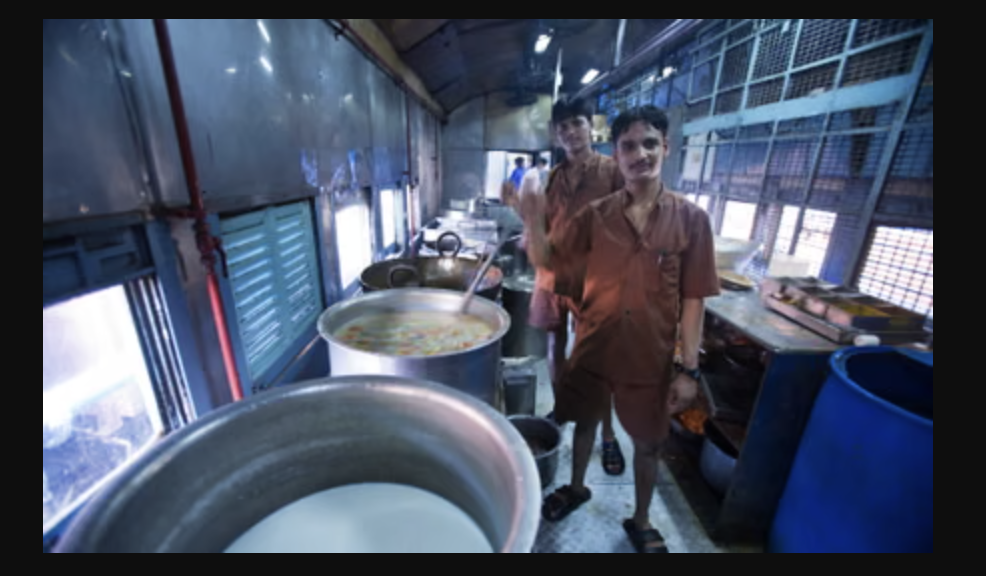
The move represents a significant operational shift for Indian Railways. While onboard cooking had largely been phased out in recent years, IRCTC has now reintroduced the practice to ensure that passengers continue receiving fresh meals despite LPG shortages. However, unlike the past, meals are now being prepared using electric induction stoves rather than gas-based systems.
Why IRCTC Is Switching to Induction Cooking
The shortage of commercial LPG cylinders has created challenges for railway catering operations, particularly for kitchens that prepare food for long-distance trains. Railway officials have been exploring alternative solutions to prevent disruptions in passenger services.
Induction stoves emerged as a practical option because they eliminate dependence on LPG supplies while allowing catering staff to continue preparing meals onboard. The shift also aligns with earlier contingency plans under which railway catering units were advised to adopt electric cooking methods such as induction systems and microwave ovens.
How Train Catering Will Be Affected
According to reports, nearly 60% of the food served on trains may now be prepared using electricity instead of LPG. This change is expected to help IRCTC maintain uninterrupted meal services on premium trains such as Rajdhani and Vande Bharat services, as well as other long-distance routes.
Railway officials have emphasized that the transition is aimed at ensuring passengers continue receiving meals without significant disruptions. The organization serves millions of meals daily across its network, making uninterrupted catering a critical operational requirement.
Middle East Crisis Behind Fuel Concerns
The LPG shortage has been linked to broader supply-chain disruptions triggered by geopolitical tensions in West Asia. Earlier this year, IRCTC had already instructed station-based catering units to stock ready-to-eat meals and adopt alternative cooking methods as a precautionary measure.
As fuel supply uncertainties continue, railway authorities are expected to expand the use of electric cooking infrastructure across their catering operations.
A New Era for Railway Kitchens?
The adoption of induction stoves could mark the beginning of a longer-term shift in how railway meals are prepared. Beyond addressing the immediate LPG shortage, electric cooking offers operational flexibility and reduces dependence on conventional fuel supplies.
While the current transition is driven by necessity, it may also provide Indian Railways with a blueprint for modernizing onboard catering services in the future. For now, passengers can expect their meals to keep arriving on schedule—even if they are being cooked with electricity instead of gas.