

The US Food and Drug Administration (FDA) has directed manufacturers of popular GLP-1 weight-loss and diabetes medications to add warnings about a rare eye condition that can cause sudden and potentially permanent vision loss.
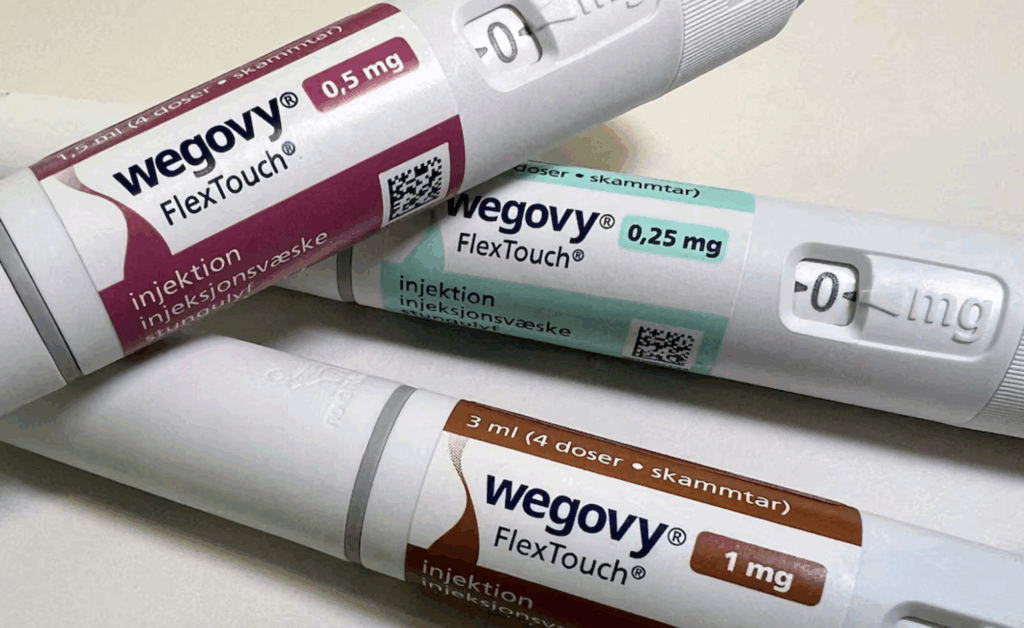
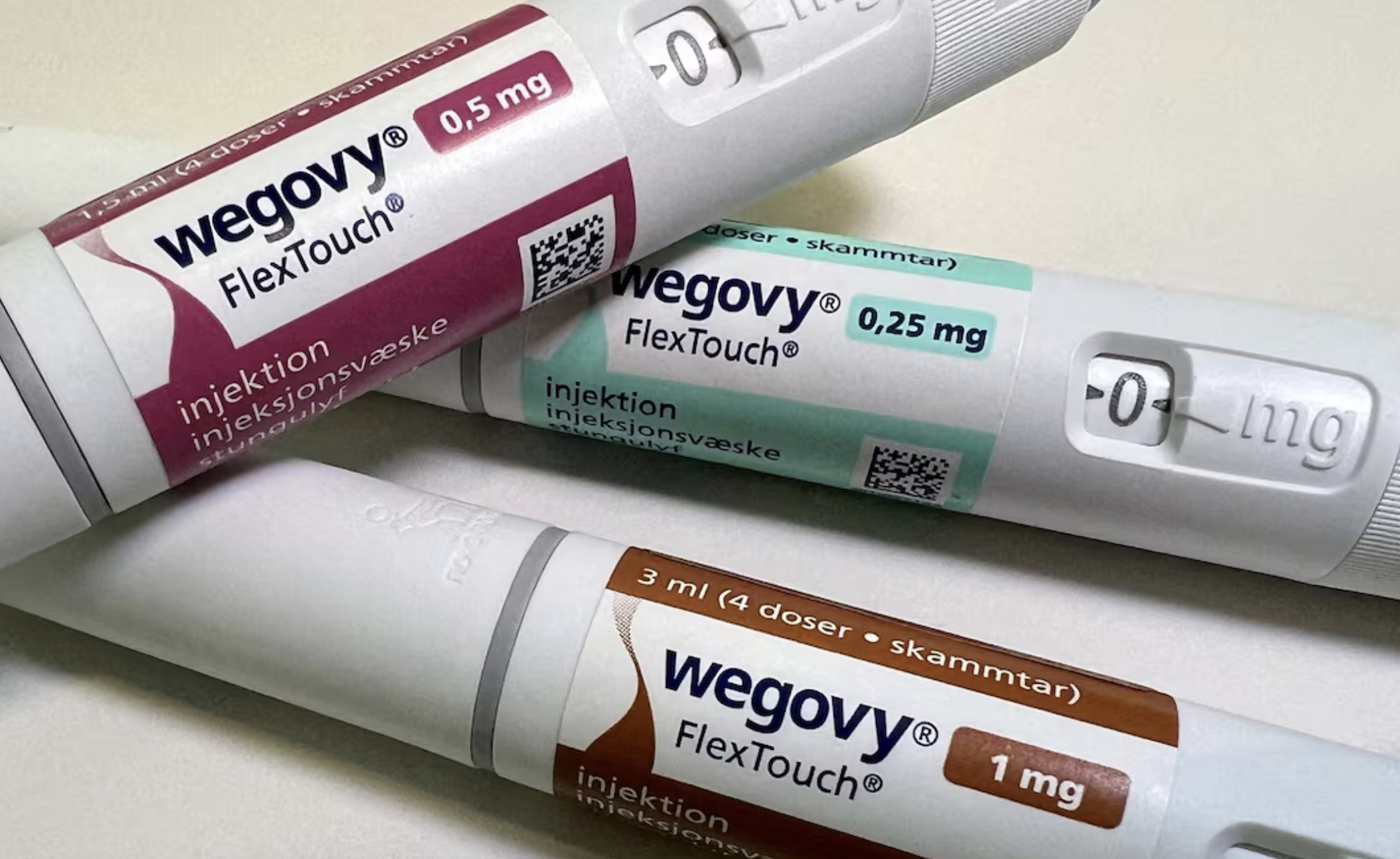
The updated warning applies to Ozempic, Wegovy, Mounjaro and Zepbound. It concerns nonarteritic anterior ischemic optic neuropathy (NAION), a condition in which reduced blood supply deprives the optic nerve of oxygen, potentially damaging it.
The FDA said its review of safety reports and scientific studies identified an increased risk of rare NAION events among people taking GLP-1 medications. However, the regulator acknowledged that the exact reason for the possible increased risk remains unknown.
What Is NAION And How Can It Affect Vision?
NAION is a disorder affecting the optic nerve, which carries visual information from the eye to the brain. It occurs when blood flow to the optic nerve is reduced or blocked.
The condition can cause sudden, painless loss of vision in one eye. In some cases, the damage can be permanent.
According to the American Academy of Ophthalmology, NAION is the most common cause of acute optic nerve injury among people over the age of 50.
There is currently no known treatment that can reverse vision loss caused by the condition. This makes early medical evaluation particularly important when someone experiences sudden changes in vision.
FDA Review Identifies Possible Increased Risk
The FDA examined reports of NAION among GLP-1 medication users, alongside findings from other scientific studies. Its review concluded that people taking these medicines may face an increased risk of developing the rare eye condition.
However, establishing a direct relationship is complicated because many patients taking GLP-1 medications for obesity and type 2 diabetes may already have independent risk factors for NAION.
Research published two years ago involving 17,000 patients found that people taking semaglutide were four times more likely to receive a NAION diagnosis than those not taking the medication.
One of the study’s authors, Harvard Medical School ophthalmology professor Dr Joseph Rizzo, described the findings as significant but tentative, emphasising the need for further research involving more diverse populations.
Last year, a safety committee of the European Medicines Agency estimated that NAION could affect up to one in 10,000 people taking semaglutide.
Drug Manufacturers Question Direct Causation
Novo Nordisk, the manufacturer of Wegovy and Ozempic, said available data do not establish a cause-and-effect relationship between its medicines and NAION.
The company said patient safety remains a priority and that it continues to monitor the safety of its medications.
The American Academy of Ophthalmology has also emphasised that any additional risk appears small and that a direct causal relationship has not been established.
The organisation has advised patients not to discontinue prescribed medication without consulting their doctors. Anyone experiencing sudden, painless vision loss in one eye should seek prompt evaluation from an ophthalmologist.
Existing GLP-1 Medicines Already Carry Other Warnings
GLP-1 medications are widely prescribed for managing type 2 diabetes and obesity. Some also offer important benefits for people with cardiovascular conditions.
However, these medicines already carry warnings about potential complications, including pancreatitis and gallbladder disease.
Common side effects associated with semaglutide include nausea, vomiting and stomach pain. The latest FDA directive adds another safety consideration for patients and healthcare professionals when assessing treatment risks.
Summary
The FDA has ordered manufacturers of Ozempic, Wegovy, Mounjaro and Zepbound to add warnings about NAION, a rare eye condition that can cause permanent vision loss. Although studies suggest a possible increased risk, a direct causal relationship has not been established. Medical experts advise patients not to stop treatment without consulting their doctors and to seek immediate care for sudden vision loss.