




India’s electric scooter market reached a significant milestone in September 2026, with electric models accounting for nearly one in every three scooter registrations. The shift highlights the growing acceptance of electric mobility as buyers weigh purchase prices, running costs and concerns over petrol prices.
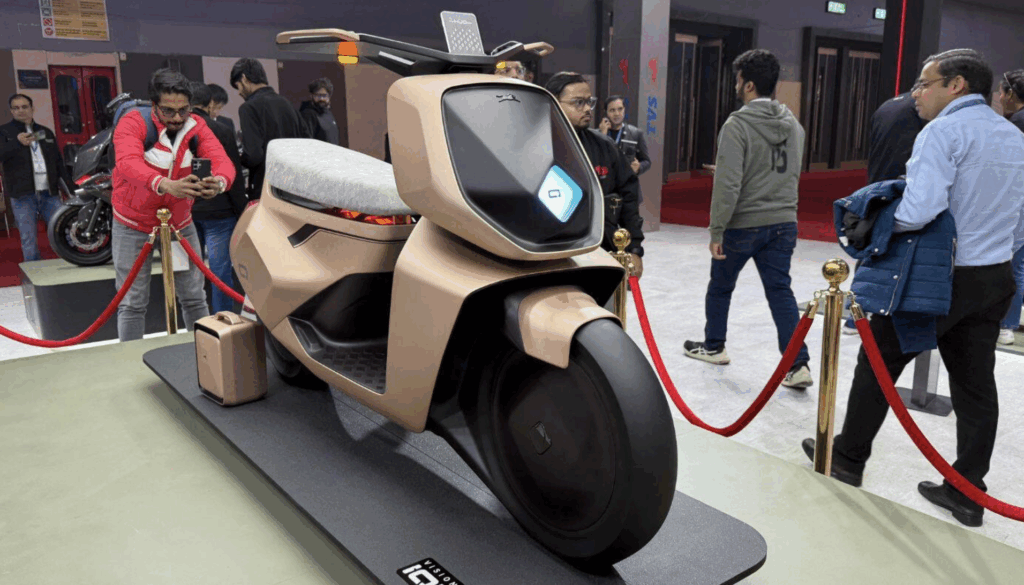
Electric scooters accounted for approximately 33% of total scooter registrations in September, compared with 22% in the same month last year. The 11-percentage-point increase signals a rapid change in consumer preferences within one of India’s most important two-wheeler categories.
Electric Two-Wheeler Registrations Hit Record High
India recorded more than 2.07 lakh electric two-wheeler registrations in September, setting a new monthly record for the segment. The growth reflects expanding product choices, increasing competition among manufacturers and rising interest in alternatives to petrol-powered vehicles.
Electric scooters are becoming an increasingly mainstream option for daily commuting, particularly among buyers looking to reduce their dependence on conventional fuels.
The latest numbers also point to a broader shift in the electric vehicle market, where two-wheelers are playing a major role in bringing battery-powered mobility to Indian consumers.
Narrowing Price Gap Makes Electric Scooters More Attractive
One of the key factors driving adoption is the narrowing difference between the upfront prices of electric and petrol-powered scooters.
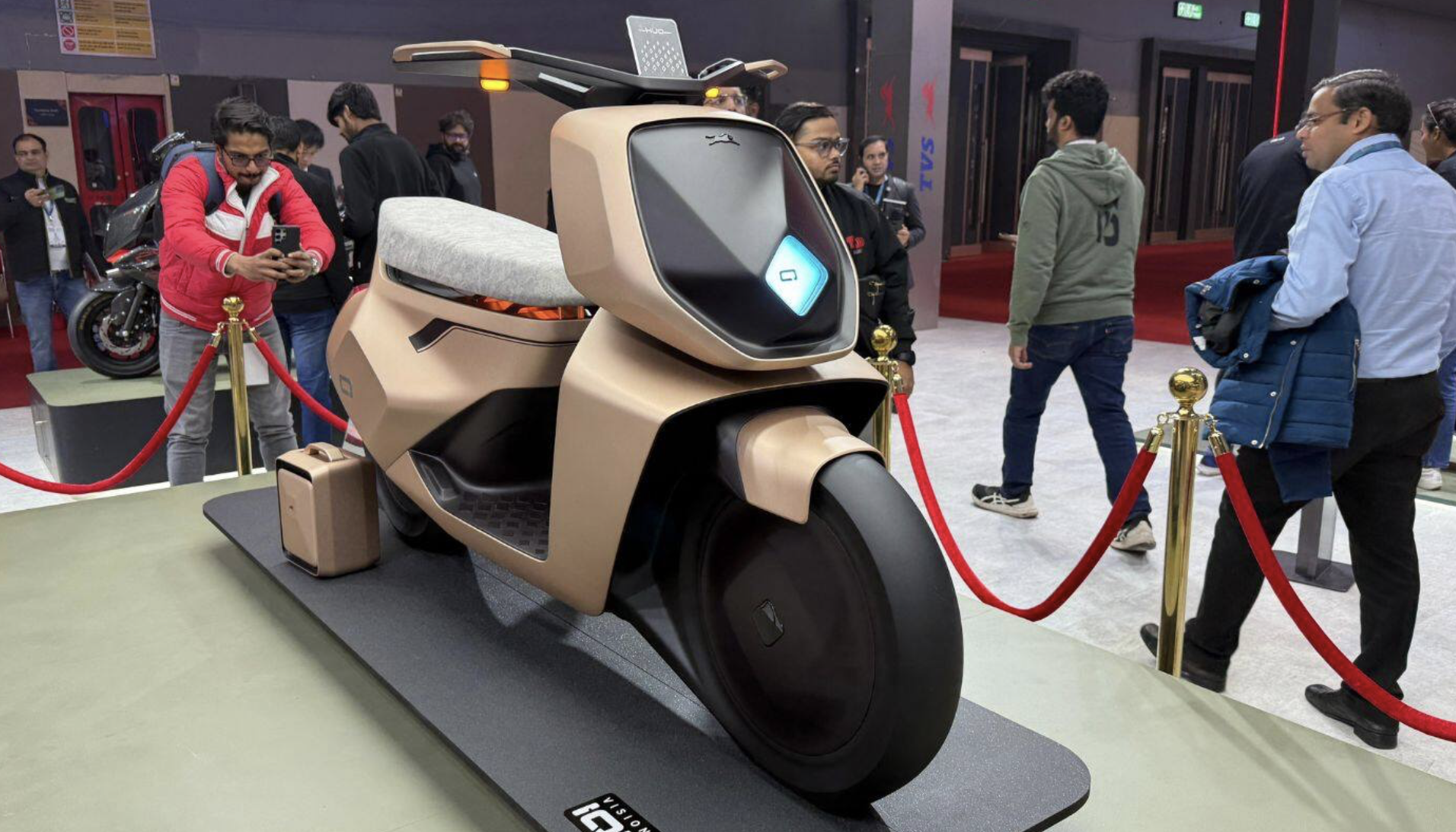
In Delhi, the effective on-road price of the TVS iQube was reported at around Rs 1.02 lakh, comparable to the Honda Activa 110 DLX. As prices move closer, consumers have more reason to consider the potential savings from lower day-to-day running costs.
Electric scooters generally have fewer moving parts in their powertrains and do not require petrol, although buyers must account for charging access, battery performance, maintenance and eventual replacement costs.
For consumers who travel regularly, the total cost of ownership can be an important factor when choosing between electric and petrol models.
Petrol Price Concerns Add Momentum to EV Adoption
Fuel-price uncertainty has also strengthened the case for electric mobility. Disruptions to global energy supplies and geopolitical tensions have highlighted India’s exposure to changes in international crude oil markets.
Electric scooters can help households reduce their direct dependence on petrol prices, particularly when charging is convenient and affordable.
However, the financial benefits vary according to electricity tariffs, daily distance travelled, charging arrangements and the purchase price of the vehicle.
Competition Among Manufacturers Intensifies
Established automakers and electric-vehicle specialists are expanding their offerings as demand grows. Manufacturers are competing through pricing, features, battery technology, range and charging solutions.
The next phase of growth will depend on whether companies can maintain product quality, strengthen service networks and address consumer concerns about battery life and resale value.
Summary
India’s electric scooter market reached a major milestone in September 2026, with EVs accounting for around 33% of scooter registrations, up from 22% a year earlier. More than 2.07 lakh electric two-wheelers were registered during the month. Narrowing price differences, lower potential running costs and petrol-price uncertainty are encouraging consumers to consider electric scooters.