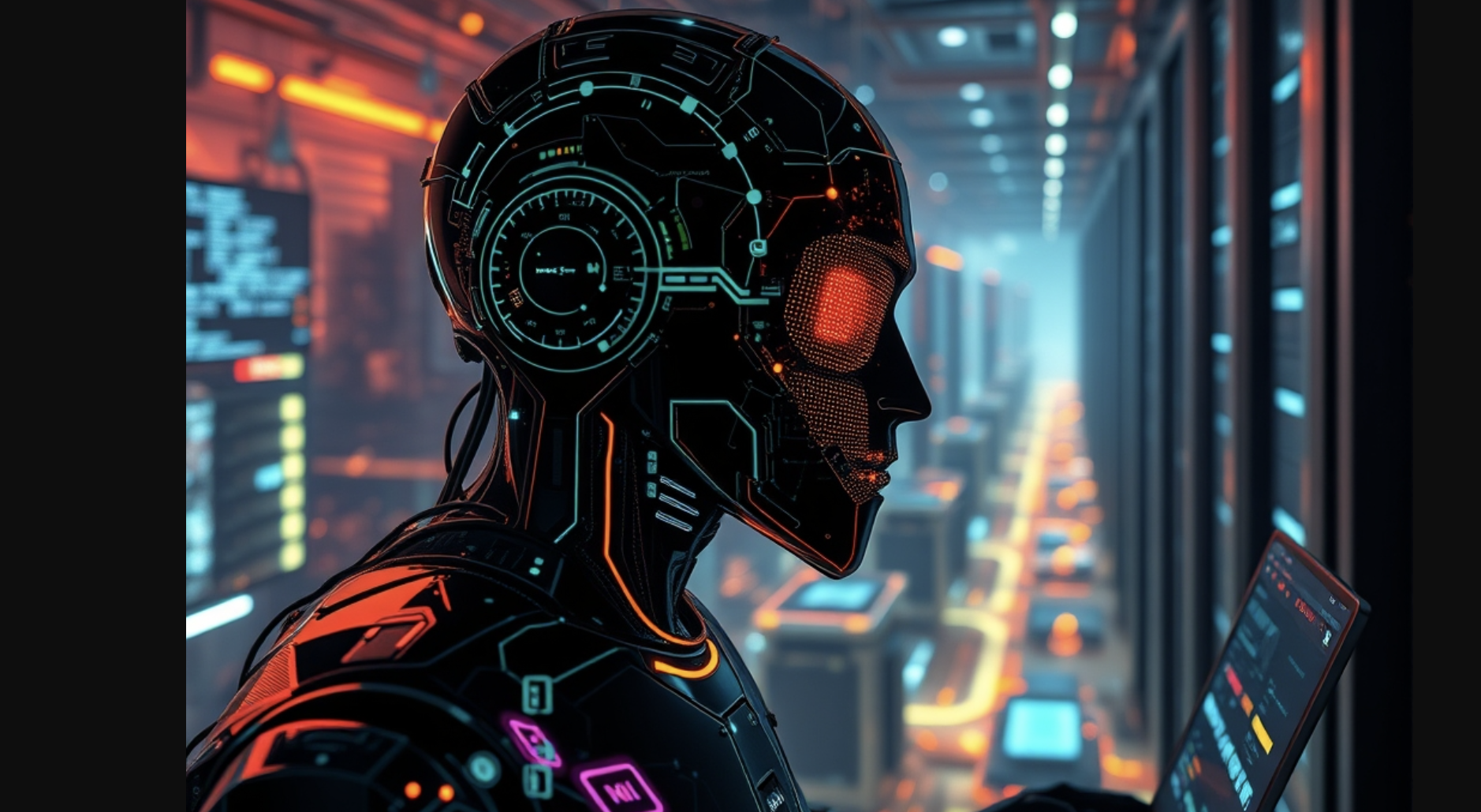


Google has issued a warning about a significant shift in cybersecurity, revealing that hackers are increasingly using artificial intelligence (AI) agents to identify software vulnerabilities, develop malicious code and execute cyberattacks with little or no human intervention.
In its latest AI Threat Tracker report, Google’s Threat Intelligence Group (GTIG) said it had identified a threat actor using an AI-powered framework to automate vulnerability discovery and exploitation for the first time.
The company described the development as a major milestone in cybercrime, warning that autonomous AI systems could significantly increase the speed and scale of attacks.
AI Framework Can Find Vulnerabilities And Launch Attacks Automatically
Google discovered an AI-powered framework called exploit_agent on an exposed staging server. The system was designed to examine software updates, identify security weaknesses and develop exploits without requiring a human operator to guide every step.
Its process involves comparing software code released before and after a security update. By analysing the changes, the AI attempts to identify the vulnerability that developers have fixed.
It can then create an exploit targeting systems that have not yet installed the security update and automatically execute the attack.
This technique is particularly concerning because software patches often reveal clues about the vulnerabilities they are designed to fix. Attackers can use those clues to target organisations that have not updated their systems.
These are known as n-day vulnerabilities, referring to security flaws that have already been disclosed or patched but remain exploitable on unpatched systems.
This is different from a zero-day attack, which exploits a previously unknown vulnerability before a security fix becomes available.
Google Found Stolen Data And Hacking Tools On The Server
The discovery involved more than just an experimental AI framework.
Google said the exposed server also contained data stolen from targeted victims and scripts designed to support activities after an initial system compromise.
These tools included capabilities for internal network reconnaissance, brute-force attempts, installing webshells and removing webshells left behind by other attackers.
A webshell is a malicious script that allows attackers to remotely control or interact with a compromised server.
Based on the available victim data, Google found that the operator appeared particularly interested in websites in France belonging to the media, entertainment and education sectors.
However, Google did not disclose the number of affected organisations or identify the victims. It also did not establish that every attack attempt made by exploit_agent resulted in a successful compromise.
AI-Powered Cyberattacks Are Becoming More Frequent
Google’s findings point to a broader increase in the use of AI tools across cybercrime.
The company’s report identified several AI-powered frameworks, including ARTEX, CAIRN, CyberStrikeAI and PentAGI, which can automate different stages of cyberattacks.
These systems use multiple AI agents to perform tasks such as scanning networks, identifying weaknesses, generating attack code and analysing the results of previous attempts.
Google also reported that vulnerability disclosures and exploits nearly doubled between January and August 2026.
The average number of zero-day exploits increased from eight per month in 2025 to 11 per month in 2026, before reaching 22 in August.
In another example, cybersecurity firm GreyNoise documented an AI-assisted campaign targeting vulnerable PaperCut print-management servers. The operation involved hundreds of AI agents and reportedly compromised at least 440 instances belonging to 395 organisations across 48 countries.
AI Hackers Still Have Limitations
Despite the growing threat, Google acknowledged that autonomous hacking systems are not yet unstoppable.
One limitation is that automated attacks can leave identifiable traces. Their speed and volume of activity can generate unusual network traffic, recognisable identifiers and other forensic evidence that security teams can use to detect them.
AI-generated exploits also do not always work as intended, creating additional challenges for attackers.
However, the biggest concern is the shrinking time between the disclosure of a vulnerability and its exploitation. Organisations that delay security updates may increasingly find themselves exposed to automated attacks.
Google Says Cybersecurity Teams Must Adopt AI Defence
Google believes organisations will need to use AI-powered security systems to keep pace with increasingly automated attacks.
John Hultquist, Chief Analyst at Google Threat Intelligence Group, said attackers were largely exploiting known, unfixed vulnerabilities rather than relying on entirely new hacking techniques. AI was allowing them to do this at much greater speed and scale.
He argued that organisations would need to embrace agentic defence instead of depending entirely on manual security processes.
This could involve AI agents continuously monitoring networks, identifying vulnerabilities, prioritising risks and helping security teams respond before attackers can exploit weaknesses.
Summary
Google has warned that autonomous AI cyberattacks have moved from experimentation to real-world activity. Its researchers discovered exploit_agent, a framework capable of identifying software vulnerabilities, developing exploits and executing attacks without human intervention. Although these systems still have limitations, Google says organisations must accelerate security updates and adopt AI-powered defence to keep pace.