The Bombay High Court has granted Union Minister Nitin Gadkari permission to file a civil suit against Meta, Google, X (formerly Twitter) and unidentified individuals over the circulation of alleged AI-generated deepfakes and defamatory content linked to the government’s E20 ethanol-blended fuel programme.
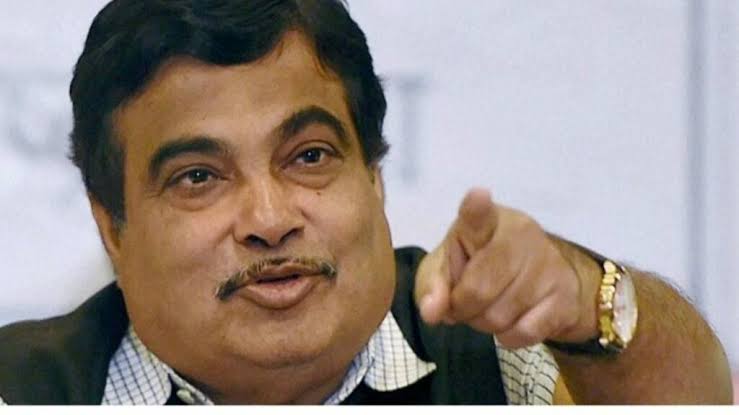
The case marks one of India’s most significant legal actions involving alleged AI-generated misinformation and social media accountability.
Why Gadkari Approached The Court
Gadkari alleged that several social media posts, videos and AI-generated deepfakes falsely portrayed him as being personally responsible for the implementation of the E20 ethanol-blending programme.
According to the proposed suit, some posts also claimed that Gadkari and members of his family had financially benefited from the policy, making allegations of corruption, nepotism and misuse of public office.
The minister has denied these claims, stating that the ethanol blending programme is administered by the Ministry of Petroleum and Natural Gas, while he serves as the Minister for Road Transport and Highways.
Court Grants Permission To File Civil Suit
Justice Abhay Ahuja of the Bombay High Court granted Gadkari permission to institute a substantive civil suit against the concerned platforms and unidentified defendants.
The suit seeks the removal of allegedly defamatory content from online platforms, along with interim reliefs to prevent its further circulation.
Gadkari has also sought ₹11 crore in damages for the alleged harm caused to his reputation.
Not Against Fair Criticism, Says Gadkari
In his proposed suit, Gadkari clarified that he is not attempting to suppress public debate or criticism of government policies.
Instead, he argued that the disputed content consists of fabricated, malicious and AI-generated material that falsely attributes statements, actions and financial interests to him without any factual basis. He contended that such deepfakes violate his reputation as well as his personality rights.
Growing Concern Over AI Deepfakes
The case highlights the increasing challenges posed by AI-generated deepfake content, which can realistically imitate a person’s voice, appearance or actions.
Legal experts believe the outcome of the case could influence how Indian courts address issues relating to artificial intelligence, online defamation and the responsibility of digital platforms in preventing the spread of manipulated content.
The matter also underscores the growing importance of developing legal safeguards as AI-generated content becomes more sophisticated.
What Happens Next?
With the High Court granting permission, Gadkari is expected to formally file the civil suit in the coming days. The court will then examine the allegations, hear responses from the concerned platforms and decide whether the disputed content should be removed and whether any compensation should be awarded.
The proceedings are likely to be closely watched as they may shape future legal standards governing AI-generated misinformation in India.
Summary
The Bombay High Court has allowed Union Minister Nitin Gadkari to file a civil suit against Meta, Google, X and unidentified individuals over alleged AI-generated deepfakes and defamatory posts linking him to the E20 fuel programme. Gadkari is seeking the removal of the content and ₹11 crore in damages, while maintaining that he supports fair criticism but not fabricated or manipulated content.