AI-Machine Control Becomes Mandatory
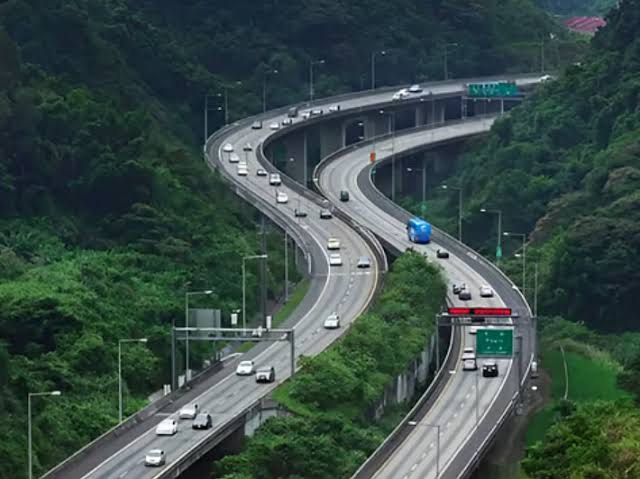
India’s highway construction sector is moving toward a more technology-driven system of execution, with the National Highways Authority of India making Automated and Intelligent Machine-Aided Construction (AI-MC) mandatory for large highway projects.
The new requirement applies to highway projects that are more than 20 km long and have a construction cost exceeding ₹500 crore. Contractors will have to deploy the technology continuously across the eligible project rather than using it only on selected stretches or construction stages.
How AI-MC Will Change Road Construction
AI-MC combines construction equipment with onboard computers, sensors and positioning systems to monitor and control work with greater precision.
Machines such as graders, pavers, compactors and dozers can use the technology to capture real-time information about construction activities. The system can help ensure that work is carried out according to prescribed specifications while creating a digital record that can be reviewed by authorities.
The technology will cover important stages including embankment construction, subgrade preparation and granular sub-base work, extending quality monitoring beyond just the final road surface.
Real-Time Data Will Increase Accountability
One of the biggest changes is the emphasis on continuous data sharing.
Instead of relying primarily on periodic physical inspections and contractor-generated records, NHAI will receive real-time construction information. This could allow deviations from specifications to be identified while work is still underway, rather than after a section has been completed.
The approach is intended to reduce human error, improve consistency and make it more difficult for contractors or subcontractors to compromise on construction quality.
From Pilot Project to Wider Adoption
AI-MC is not entirely new to India’s highway sector. The technology was previously deployed during construction of the Lucknow-Kanpur Expressway, although its use was not uniform across the entire project.
The latest rules represent a move away from such limited deployments. NHAI now wants AI-based machine control to become an integral part of construction on qualifying large projects.
Contractors Face New Requirements
The mandate will require contractors to invest in compatible machinery, sensors, digital systems and trained personnel. It also means that construction companies will have to become comfortable with greater transparency in their operations.
Industry participants have raised concerns about the willingness of contractors to share live construction data, since continuous monitoring increases accountability. The initial cost of deploying the technology and the availability of skilled personnel could also pose challenges.
However, NHAI’s position is that the potential benefits extend beyond technology adoption. Better measurement and monitoring could reduce construction defects, improve road durability and help prevent expensive repairs later.
A New Model for Highway Construction
The policy reflects a broader shift in infrastructure development: from inspecting completed work to digitally monitoring how that work is actually built.
If implemented consistently, AI-MC could give NHAI much greater visibility into major highway projects and create a stronger link between construction quality and contractor accountability.
For India’s rapidly expanding highway network, the success of the policy will ultimately depend not simply on installing smart equipment, but on ensuring that the resulting data is accurate, continuously shared and acted upon.
Summary
NHAI has made Automated and Intelligent Machine-Aided Construction mandatory for highway projects exceeding 20 km and ₹500 crore. AI-enabled machinery will provide real-time data and greater precision across key construction stages. The move is designed to reduce human error, improve road quality and increase contractor accountability, while pushing India’s highway construction industry toward a more transparent, data-driven model.