Travelling by autorickshaw or the iconic black-and-yellow taxi in Mumbai is set to become slightly more expensive from September 1, 2026.
The Mumbai Metropolitan Region Transport Authority has approved a revision in fares, increasing the minimum autorickshaw fare by ₹1 and the minimum taxi fare by ₹2.
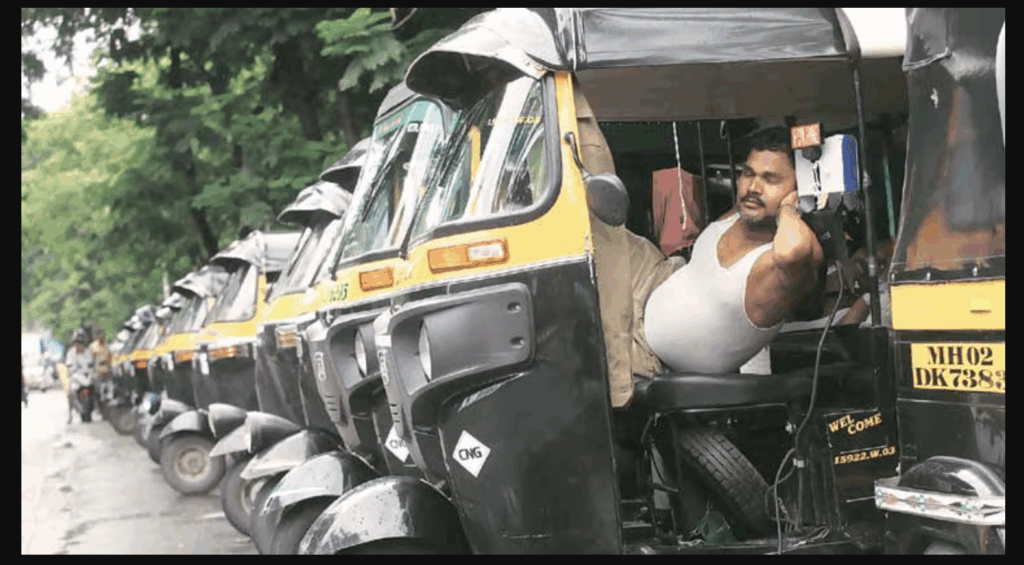
The revised rates will apply across the Mumbai Metropolitan Region, covering Mumbai, Thane, Navi Mumbai, Kalyan, Vasai-Virar and Panvel.
Auto Fare To Increase From ₹26 To ₹27
Under the new fare structure, the minimum autorickshaw fare for the first 1.5 km will increase from ₹26 to ₹27.
The revised fare for every additional kilometre will be ₹18.
For passengers taking short-distance rides, the immediate impact will therefore be relatively small.
However, people who use autos several times a day could see their monthly transportation expenses gradually increase.
Taxi Fare To Rise From ₹31 To ₹33
The minimum fare for Mumbai’s black-and-yellow taxis will rise by ₹2.
The current minimum fare of ₹31 will become ₹33 from September 1.
The revised per-kilometre rate will be ₹33.
The increase is slightly higher than the hike for autorickshaws, reflecting the different operating costs associated with taxis.
Why Are Auto And Taxi Fares Increasing?
Transport unions have been seeking higher fares for some time, pointing to increasing operating expenses.
Among the biggest concerns are fuel costs, vehicle maintenance, insurance premiums and permit-related expenses.
CNG prices have also increased, putting additional pressure on drivers who depend on their vehicles for their daily income.
The latest revision is intended to account for these rising costs while providing drivers with better earnings.
The Hike Is Smaller Than Drivers Wanted
While drivers and transport unions had demanded higher fares, the final increase approved by the authority is relatively modest.
Taxi unions had reportedly sought a larger increase in the minimum fare.
The approved ₹2 increase means the final revision falls below the level sought by some driver organisations.
For passengers, that could limit the immediate impact on travel expenses.
Around 3 Lakh Autos And 30,000 Taxis
The fare revision could affect a huge number of vehicles across the Mumbai Metropolitan Region.
The region has approximately 3 lakh registered autorickshaws and 30,000 taxis.
That means the new fare structure will affect millions of journeys made by commuters every day.
From office travel to railway station trips and short-distance local journeys, autos and taxis remain an important part of Mumbai’s transport network.
The Last Major Fare Hike Came In 2025
Mumbai’s previous major auto and taxi fare revision came into effect in February 2025.
At that time, the minimum autorickshaw fare increased from ₹23 to ₹26.
The minimum black-and-yellow taxi fare increased from ₹28 to ₹31.
The latest revision therefore comes after roughly a year and a half of operating under the previous fare structure.
Mumbai’s Daily Commuters Will Feel The Impact
For an occasional passenger, paying an additional ₹1 or ₹2 may not appear significant.
The situation is different for people who depend on autos and taxis every day.
A commuter making multiple trips daily could see the additional costs accumulate over weeks and months.
This could be particularly noticeable for passengers using autos for connections between railway stations, metro stations, offices and residential areas.
Higher CNG Costs Are A Major Factor
Fuel costs are one of the key issues affecting drivers.
Mumbai’s auto-rickshaw and taxi fleets rely heavily on CNG, and increases in the price of the fuel directly affect operating expenses.
Drivers also have to account for maintenance, tyres, repairs, insurance and other vehicle-related costs.
As these expenses rise, maintaining existing fares can put pressure on driver earnings.
The Fare Revision Covers The Entire MMR
The new rates will not be restricted to Mumbai city.
They will apply across the wider Mumbai Metropolitan Region, including Thane, Navi Mumbai, Kalyan, Vasai-Virar and Panvel.
This means commuters travelling between different parts of the metropolitan region will also have to account for the revised fares.
The wider coverage is important because thousands of people travel across municipal boundaries every day for work and other activities.
What Passengers Need To Know
The revised rates are scheduled to take effect from September 1, 2026.
Passengers should therefore expect the new minimum fares to apply from that date.
Drivers are expected to use the revised meter rates once the new structure comes into force.
Commuters should be cautious if they are asked to pay substantially more than the applicable metered fare simply because of the fare revision.
Will App-Based Rides Become More Expensive?
The approved revision directly concerns regulated autorickshaw and taxi fares.
Passengers using app-based services may see different pricing because aggregators can have their own pricing structures, fees and surge mechanisms.
Therefore, the new minimum meter fares should not automatically be interpreted as a uniform increase in every app-based ride.
The impact will depend on how individual platforms structure their fares.
A Small Hike With A Large Reach
The latest revision may appear modest on paper.
An additional ₹1 for an auto and ₹2 for a taxi is unlikely to dramatically change the cost of a single journey.
But Mumbai has millions of daily trips.
When multiplied across hundreds of thousands of vehicles and millions of passengers, even a small fare increase can have a noticeable cumulative impact.
Drivers Get Some Relief
For drivers, the fare revision provides an opportunity to offset rising operating costs.
The increase could help improve earnings, particularly for drivers making a large number of short-distance trips.
However, whether the revised fares provide sufficient relief will depend on fuel prices, maintenance expenses and the number of passengers they serve.
Commuters Face Another Rise In Travel Costs
The fare hike comes at a time when urban commuters are already dealing with rising household expenses.
For passengers who combine trains, buses, metro services and autos or taxis, even modest increases across different modes of transport can add up.
The new rates therefore represent another small increase in the cost of daily mobility across the Mumbai Metropolitan Region.
New Auto And Taxi Rates From September 1
From September 1, passengers will pay a minimum of ₹27 for the first 1.5 km in an autorickshaw, compared with ₹26 currently.
Black-and-yellow taxis will charge a minimum of ₹33, up from ₹31.
The revised rates are intended to reflect increasing fuel, maintenance and operating costs.
For Mumbai’s commuters, the increase may be small for individual journeys but significant when repeated every day.
Summary
Mumbai Metropolitan Region commuters will pay more for autorickshaw and black-and-yellow taxi rides from September 1, 2026. The minimum auto fare will rise from ₹26 to ₹27 for the first 1.5 km, while the minimum taxi fare will increase from ₹31 to ₹33. The revision covers Mumbai, Thane, Navi Mumbai, Kalyan, Vasai-Virar and Panvel and reflects rising operating costs.