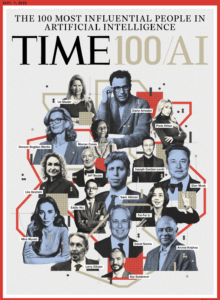
Mustafa Suleyman, CEO of Microsoft AI, has made one of the strongest predictions yet about artificial intelligence replacing white-collar work. Suleyman said AI systems may achieve human-level performance across most professional tasks within the next 12 to 18 months, potentially automating large portions of office-based jobs.
Which Jobs Are Most At Risk?
According to Suleyman, jobs that mainly involve “sitting down at a computer” are the most vulnerable to AI-driven automation. He specifically mentioned professions such as:
- Lawyers
- Accountants
- Project managers
- Marketing professionals
- Financial analysts
- Administrative and documentation roles
He said many routine, repetitive, and data-heavy tasks within these professions could soon be handled entirely by AI systems.
AI Reaching ‘Human-Level’ Professional Performance
In an interview with the Financial Times, Suleyman said AI is rapidly approaching what he described as “human-level performance on most, if not all, professional tasks.”
He introduced the concept of “Artificial Capable Intelligence” — a stage between current large language models and full Artificial General Intelligence (AGI). According to him, future AI systems may function like highly specialized digital workers customized for every organization and individual.
Microsoft’s Massive AI Push
The warning comes as Microsoft aggressively expands AI across its ecosystem through products like Copilot, Azure AI services, GitHub Copilot, and enterprise AI agents. The company has invested billions into OpenAI and continues integrating AI into coding, productivity, customer support, and workplace automation tools.
Suleyman pointed to software engineering as an example where AI-assisted coding is already becoming mainstream, with developers increasingly relying on AI for writing and debugging code.
Experts Divided On The Timeline
While Suleyman’s prediction has triggered global debate, many experts believe the timeline may be overly aggressive. Several analysts argue that AI may automate tasks faster than entire jobs because companies still require human judgment, accountability, creativity, client relationships, and decision-making.
Interestingly, Sam Altman recently admitted that earlier fears about an immediate “white-collar jobs apocalypse” may have been exaggerated, saying the real-world impact has so far been slower than expected.
The Nature Of Work Is Changing Rapidly
Despite debates over timelines, most technology leaders agree that AI will significantly reshape office work. Rather than eliminating all jobs overnight, AI is expected to increasingly automate repetitive tasks while shifting demand toward AI supervision, strategic thinking, creativity, and human-centered skills.
The biggest challenge for professionals may now be adapting quickly enough as AI tools become deeply embedded into industries ranging from finance and law to marketing, HR, consulting, and software development.
60-Word Summary
Mustafa Suleyman warned that many white-collar jobs involving computer-based work could be largely automated by AI within 12 to 18 months. He identified lawyers, accountants, marketers, and project managers among vulnerable professions. While experts debate the timeline, the comments highlight how rapidly AI is transforming office work, enterprise software, and future workforce requirements.