Global Turmoil Behind Rising LPG Prices
Union Minister Pralhad Joshi has stated that the recent increase in domestic LPG prices was unavoidable due to escalating geopolitical tensions and disruptions in global energy markets. According to the minister, ongoing conflicts in West Asia have significantly impacted international fuel prices, forcing governments across the world to adjust energy pricing structures. India, which imports a substantial portion of its energy requirements, has also been affected by these global developments.
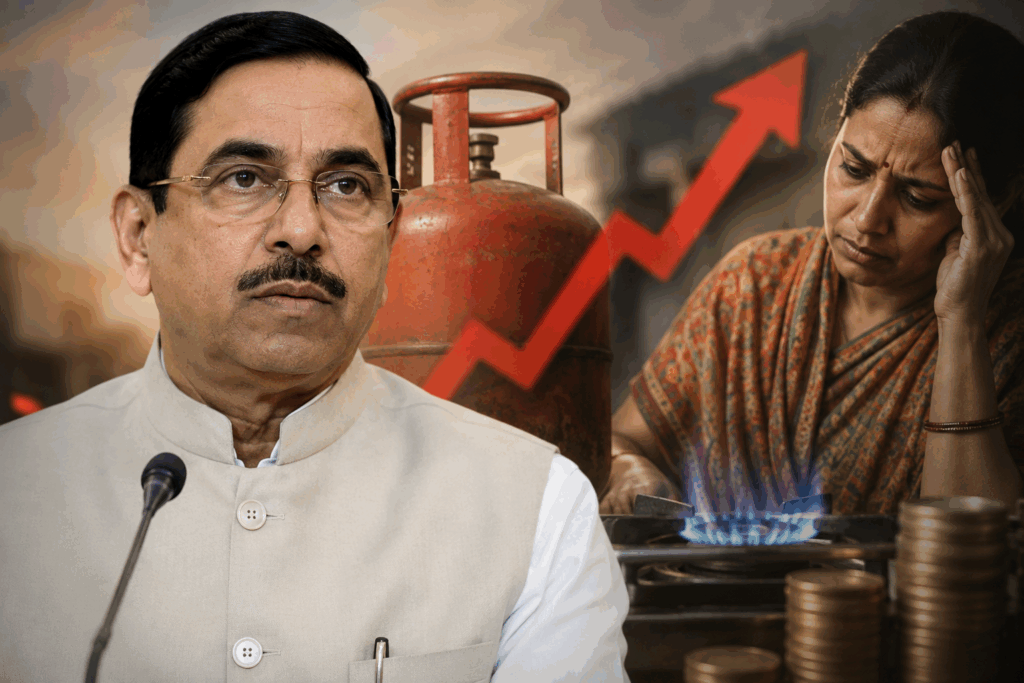
Government Defends Latest LPG Price Revision
The Centre recently approved a hike of ₹29 in the price of domestic LPG cylinders, triggering criticism from opposition parties and consumer groups. Defending the decision, Joshi emphasized that the government had absorbed a large part of the burden for an extended period and could no longer shield consumers completely from rising global costs. He noted that the increase was necessary to ensure the continued availability and supply of cooking gas across the country.
West Asia Conflict Impacting Energy Markets
The minister highlighted that the ongoing conflict in West Asia has disrupted global crude oil and LPG supply chains, leading to higher international prices. Energy-importing nations, including India, are facing increased procurement costs as a result. Government leaders have argued that the current price hike is linked more to external factors than domestic policy decisions. Similar concerns have been raised by state and central leaders who point to global market volatility as the primary reason behind rising fuel costs.
Opposition Criticizes the Move
Opposition parties have strongly opposed the latest LPG price increase, arguing that it adds to the financial burden on households already dealing with inflation. Several leaders have questioned why consumers are facing higher fuel prices despite fluctuations in global crude oil rates. Critics claim the repeated increases in cooking gas prices are affecting household budgets and raising the overall cost of living.
Balancing Energy Security and Consumer Interests
The LPG pricing debate highlights the challenge of balancing consumer affordability with energy security. As global uncertainties continue to influence fuel markets, policymakers may face difficult decisions regarding subsidies, pricing mechanisms, and energy imports. For now, the government maintains that the latest hike was necessary to manage rising international costs while ensuring uninterrupted supply to millions of households.
Summary: Union Minister Pralhad Joshi has defended the recent ₹29 LPG price hike, stating that it was unavoidable due to global energy market disruptions caused by the West Asia conflict. While the government argues that rising international costs necessitated the increase, opposition parties have criticized the move, saying it adds to inflationary pressures and burdens households across India.