




India’s digital payments revolution has transformed how millions of people pay for everyday purchases. From roadside tea stalls to large retail stores, the Unified Payments Interface (UPI) has made instant, cashless transactions a routine part of daily life. However, concerns over new merchant transaction fees and the growing circulation of physical currency are raising questions about whether cash could regain some of its lost ground.
New UPI Charges Could Change Merchant Behaviour
Under the proposed framework, eligible person-to-merchant UPI transactions exceeding ₹2,000 would attract a Merchant Discount Rate (MDR) of 0.4%, subject to a cap of ₹300 per transaction. The charge is intended to support the costs of operating and maintaining the digital payments ecosystem.
The fee is directed at merchants and payment-system participants rather than being a direct charge on consumers. Nevertheless, retailers operating on thin profit margins are concerned that additional transaction costs could affect their earnings. Some businesses may absorb the expense, while others could encourage customers to pay in cash.
Following objections from retailers and industry groups, the planned October 15, 2026, implementation was postponed until after Diwali. The revised implementation date is to be announced separately.
Why Cash Remains Important
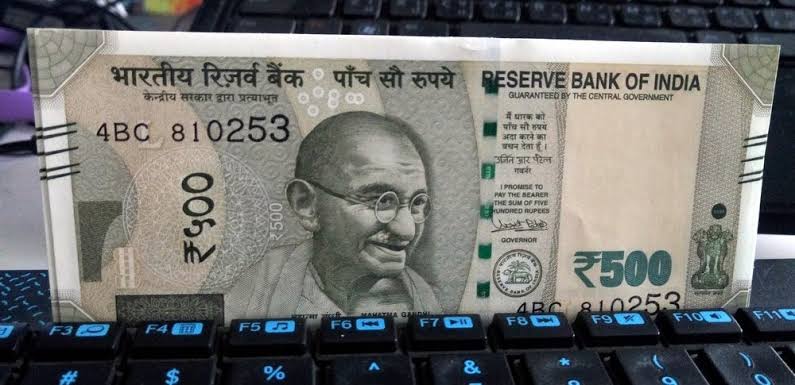
Despite UPI’s extraordinary growth, cash continues to play a major role in India’s economy. Small businesses, informal workers and local markets often rely on physical currency for their daily transactions. Cash also offers a straightforward payment option where digital infrastructure, connectivity or banking access is limited.
The persistence of cash is significant because India’s currency holdings have remained substantial even after years of government initiatives encouraging digital payments. The continued use of physical money also reflects the size of the country’s informal economy, where transactions are not always recorded through formal digital channels.
The Challenge of Balancing Convenience and Cost
UPI’s success has been built on speed, convenience and affordability. Customers can transfer money instantly without carrying cash, while merchants can accept payments using a simple QR code. Introducing transaction fees into this ecosystem could influence merchant preferences, particularly for higher-value purchases.
However, the proposed charges do not automatically mean that consumers will have to pay more for UPI. The government’s stated approach is to keep the applicable merchant fees from becoming a separate customer charge. Whether businesses absorb the cost or adjust their overall pricing remains an important consideration.
India’s Digital Payments Future
A return to greater cash usage would not necessarily mean that India’s digital payments revolution has failed. Cash and digital payments can coexist, serving different needs across regions, businesses and transaction sizes. The key challenge will be ensuring that the cost of maintaining digital infrastructure does not discourage merchants from accepting electronic payments.
India’s next phase of payments growth will depend on maintaining consumer trust, keeping transactions convenient and making the system economically sustainable for businesses of every size.
India’s move towards digital payments remains significant, but cash has not disappeared. The debate over merchant fees highlights the delicate balance between financing a rapidly expanding payment network and preserving the low-cost access that helped make UPI so popular.