Amid the ongoing debate over whether an Indian passport serves as proof of citizenship or merely a travel document, government records have clarified an important aspect of the Right to Information (RTI) Act. According to inter-ministerial deliberations conducted in 2010, Indian passport holders residing abroad are to be treated as “citizens” for the purpose of accessing information under the RTI Act. The clarification has resurfaced following recent discussions around citizenship documentation and the legal status of Indian passports.
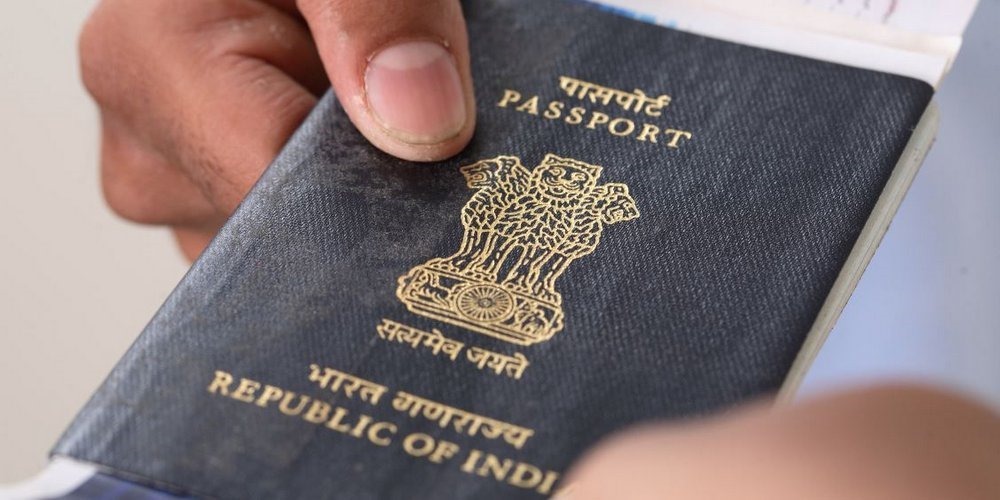
The Background of the Debate
The issue gained attention after the Ministry of External Affairs recently reiterated that a passport is primarily a travel document and not conclusive proof of citizenship. While passports are issued only to Indian citizens, the government clarified that citizenship determination is governed by the provisions of the Citizenship Act and related legal frameworks.
This led to renewed discussions about what documents can establish citizenship and whether Indian citizens living overseas can continue to exercise rights that are specifically reserved for citizens under Indian law.
What the 2010 Government Records Show
Records of discussions between the Ministry of External Affairs (MEA) and the Ministry of Home Affairs (MHA) reveal that both ministries agreed that Indian passport holders residing abroad should be considered citizens for the purpose of availing benefits under the Right to Information Act. The interpretation was made while examining requests from overseas Indians seeking access to information from Indian public authorities.
The consensus effectively ensured that Non-Resident Indians (NRIs) holding valid Indian passports would not lose their RTI rights simply because they reside outside India.
Who Can and Cannot Use RTI Abroad?
The clarification specifically applies to Indian citizens who hold Indian passports and live overseas. Government discussions reportedly distinguished such individuals from Overseas Citizens of India (OCI) cardholders and Persons of Indian Origin (PIOs) who do not possess Indian citizenship.
As a result, NRIs with Indian passports can file RTI applications, while OCIs and former PIOs who are not Indian citizens generally do not fall within the same category under the RTI framework.
RTI Services Already Available Overseas
In practice, Indian missions and consulates across the world have long facilitated RTI requests from Indian citizens living abroad. Several Indian diplomatic missions explicitly state that RTI rights are available to Indian citizens worldwide and often require passport details as proof of citizenship while processing applications.
The government also introduced electronic Indian Postal Orders (eIPO), enabling overseas Indian citizens to pay RTI fees and submit applications more conveniently from abroad.
Why This Clarification Matters
The clarification is significant because the RTI Act grants the right to seek information specifically to citizens of India. As more Indians live and work abroad, questions about their continued access to transparency and accountability mechanisms have become increasingly relevant.
By reaffirming that Indian passport holders overseas are eligible to use RTI, the government has effectively ensured that NRIs retain access to one of India’s most important transparency laws, regardless of where they reside.
A Reassurance for Overseas Indians
For millions of Indians living abroad, the clarification provides reassurance that their right to seek information from public authorities remains intact. Whether the request concerns government services, public records, or administrative decisions, eligible Indian citizens overseas can continue to use RTI as a tool for transparency and accountability.
The issue also highlights the evolving relationship between citizenship, documentation, and digital governance in an increasingly globalised world where millions of Indian citizens live beyond the country’s borders while remaining connected to its institutions.
Summary
Government records from 2010 show that Indian passport holders living abroad are treated as citizens for the purpose of using the Right to Information Act. The clarification means that Non-Resident Indians can continue filing RTI applications and seeking information from Indian public authorities. However, the benefit does not extend to OCI and PIO cardholders who are not Indian citizens, reinforcing the distinction between citizenship and overseas Indian status.