India’s high-speed rail ambitions have received a major boost with plans for seven new bullet train corridors that could dramatically transform intercity travel across the country. The National High Speed Rail Corporation Limited (NHSRCL) has begun the process of developing next-generation indigenous B35 bullet trains, which are expected to operate on these upcoming routes at speeds of up to 320 kmph. The proposed network aims to slash travel times between key economic, industrial, and technology hubs while strengthening regional connectivity.
The Seven Proposed Bullet Train Corridors
According to NHSRCL, the proposed high-speed rail network will include seven major corridors:
- Mumbai – Pune
- Pune – Hyderabad
- Hyderabad – Bengaluru
- Hyderabad – Chennai
- Chennai – Bengaluru
- Delhi – Varanasi
- Varanasi – Siliguri
Together, these corridors are expected to span nearly 4,000 kilometres and form the backbone of India’s future high-speed rail ecosystem. The government estimates investments of around ₹16 lakh crore for the ambitious expansion programme.
Travel Times Set to Shrink Dramatically
One of the biggest attractions of the proposed bullet train network is the massive reduction in travel time.
The Mumbai-Pune journey, which currently takes around three to four hours by road and nearly three hours by train, could be completed in just 48 minutes. Similarly, travellers between Bengaluru and Chennai may reach their destination in only 73 minutes.
Other estimated travel times include:
- Bengaluru to Hyderabad: 2 hours 10 minutes
- Pune to Hyderabad: 2 hours 8 minutes
- Hyderabad to Chennai: Around 3 hours
- Delhi to Varanasi: 3 hours 15 minutes
- Varanasi to Siliguri: Less than 3 hours
These reductions could make same-day business travel significantly more practical across several regions.
Indigenous Bullet Trains on the Horizon
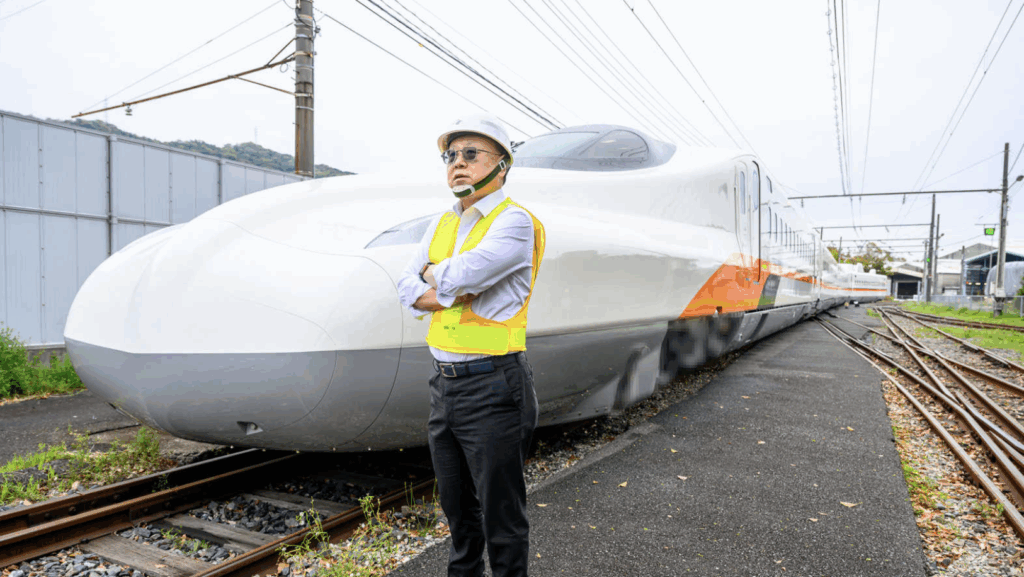
A key feature of the initiative is the development of India’s own B35 bullet train platform. Unlike the Mumbai-Ahmedabad project, which relies heavily on Japanese Shinkansen technology, the new B35 trains are expected to be designed and manufactured in India.
The trainsets are being planned with a maximum speed of 350 kmph and an operational speed of 320 kmph. Officials believe indigenous manufacturing will reduce costs, build domestic expertise, and support the country’s broader Make in India objectives.
Economic Impact Beyond Transportation
The benefits of the proposed corridors extend beyond faster travel. High-speed rail links are expected to strengthen connections between major IT hubs, manufacturing centres, financial districts, and industrial clusters.
The Chennai-Bengaluru-Hyderabad network, for example, could create a high-speed economic triangle connecting three of India’s largest technology and innovation centres. Similarly, the Mumbai-Pune-Hyderabad corridor could enhance business mobility across western and southern India.
The government also expects the corridors to reduce dependence on short-haul flights and congested highways while promoting environmentally sustainable transportation options.
Building on the Mumbai-Ahmedabad Bullet Train Project
India’s first bullet train project between Mumbai and Ahmedabad continues to progress, with the Surat-Vapi section expected to become operational in 2027. Lessons learned from that project are expected to guide the development of the new corridors and accelerate future expansion.
If successfully implemented, the seven new bullet train corridors could fundamentally reshape long-distance travel in India, bringing major cities closer than ever before and ushering in a new era of high-speed mobility.
Summary
India is planning seven new bullet train corridors connecting major cities including Mumbai, Pune, Hyderabad, Bengaluru, Chennai, Delhi, Varanasi, and Siliguri. Powered by indigenous B35 bullet trains running at up to 320 kmph, the network could cut Mumbai-Pune travel time to 48 minutes and Bengaluru-Chennai to just 73 minutes. The project is expected to boost connectivity, economic growth, and sustainable transportation across the country.