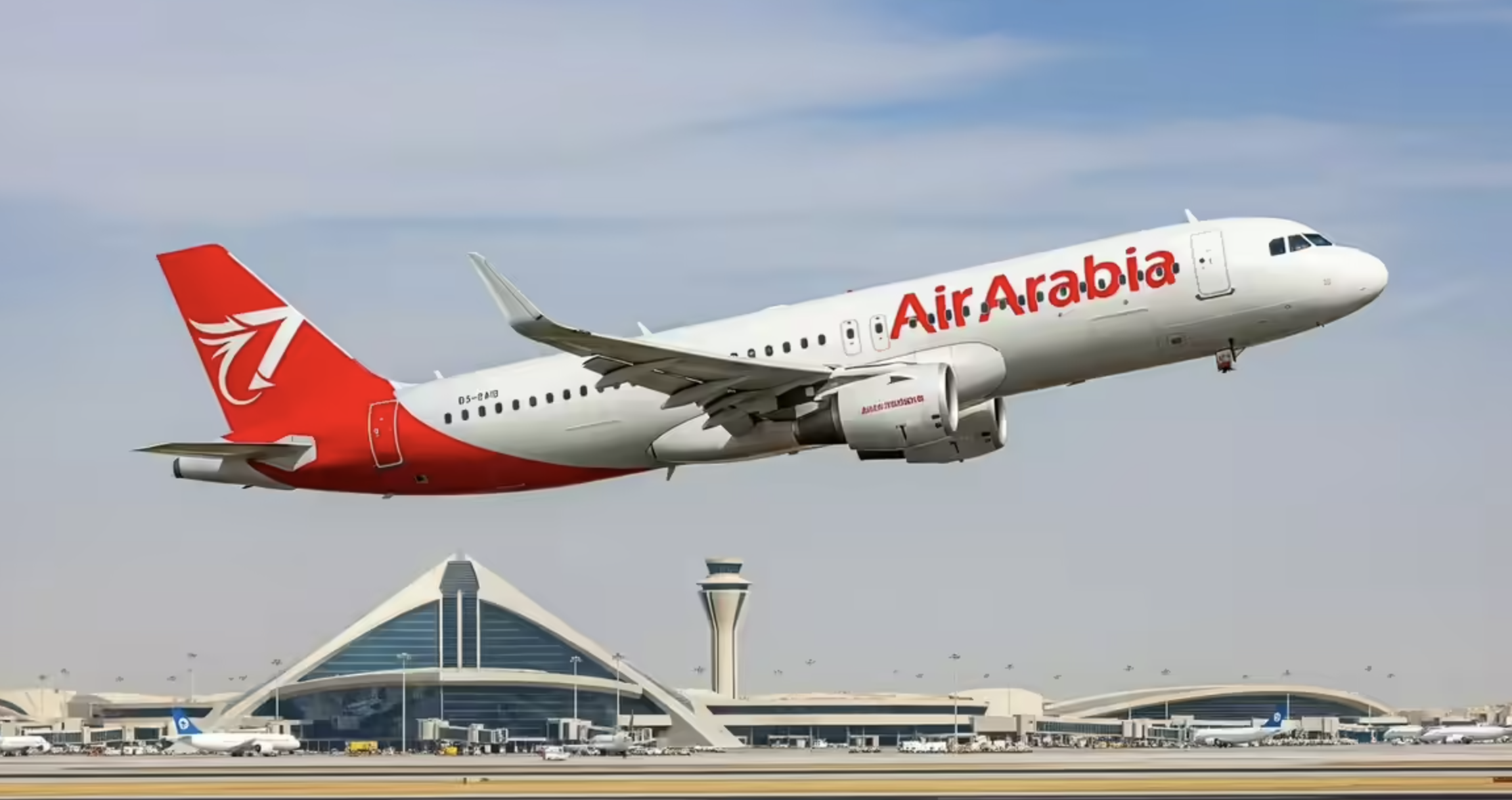


A dispute has intensified between Gulf airlines and Adani-operated Mumbai International Airport Ltd (MIAL) over a proposal to temporarily shift international flights from Mumbai’s Chhatrapati Shivaji Maharaj International Airport to the upcoming Navi Mumbai International Airport.
Eleven Gulf carriers have approached the Union Civil Aviation Ministry for the third time, seeking intervention after MIAL refused their historical flight slots for the Summer 2027 schedule. The airlines have also warned that the disagreement could escalate through diplomatic channels if their existing slots are not restored.
The dispute is linked to the redevelopment of Mumbai airport’s Terminal 1, which is expected to affect passenger-handling capacity from March 2027.
14 International Destinations Involved In The Dispute
The proposed transition covers flights connecting Mumbai with 14 international destinations:
- Dammam
- Riyadh
- Muscat
- Madinah
- Jeddah
- Dhaka
- Doha
- Bahrain
- Kathmandu
- Kuwait City
- Ras Al Khaimah
- Sharjah
- Fujairah
- Jakarta
These routes were identified as part of the proposed transition plan for international operations from Mumbai to Navi Mumbai.
The Gulf airlines, represented by the Airline Operators Committee (AOC), have argued that MIAL’s decision to deny their historical slots was unilateral and did not adequately consider existing aviation regulations and international slot-allocation guidelines.
Historical slots refer to established take-off and landing timings that airlines have operated in previous seasons.
Why Adani Wants To Shift Flights To Navi Mumbai
MIAL has proposed reducing Mumbai airport’s annual passenger-handling capacity by five million passengers during the redevelopment of Terminal 1.
The operator has cited structural safety concerns identified in audits conducted in 2017 and 2024. These reportedly highlighted corrosion, damaged concrete and cracks in parts of the ageing terminal.
MIAL initially proposed a 33% reduction in Terminal 2’s capacity, which would have involved temporarily discontinuing 265 of its 770 weekly international flights.
Following objections from airlines and the International Air Transport Association (IATA), the Civil Aviation Ministry directed stakeholders to work towards a mutually acceptable transition plan.
MIAL subsequently argued that shifting flights serving the 14 destinations to one airport would reduce passenger inconvenience and help maintain onward connections.
Why Gulf Airlines Are Opposing The Move
The affected foreign airlines have raised concerns about operating from two airports located approximately 40 km apart.
They argue that splitting their operations between Mumbai and Navi Mumbai would increase costs by requiring separate ground-handling arrangements, crew deployment and other operational resources.
The airlines have also questioned the capacity assessment of Navi Mumbai airport, its terminal infrastructure and the proposed traffic-reallocation process.
Their latest representation to the Centre follows earlier communications dated November 2 and November 6. They have sought restoration of their historical slots and clarity on whether the proposed relocation has received formal approval from the ministry.
Devendra Fadnavis Proposes An Alternative
Maharashtra Chief Minister Devendra Fadnavis has also intervened, writing to Union Civil Aviation Minister Kinjarapu Rammohan Naidu.
Instead of shutting down Terminal 1 at once, Fadnavis has suggested redevelopment in phases. His proposal involves constructing Terminal 1B first, transferring operations from Terminal 1A to the new facility, and subsequently demolishing and rebuilding Terminal 1A.
The approach is intended to minimise disruption to existing airport operations while allowing the redevelopment to proceed.
MIAL has maintained that the terminal requires urgent redevelopment. The project is expected to affect around five million passengers annually, while approximately 91% of Mumbai airport’s traffic would remain unaffected.
The redeveloped Terminal 1 is expected to reopen by December 2030.
Summary
The dispute between Gulf airlines and Adani-operated Mumbai airport centres on the proposed relocation of 14 international routes to Navi Mumbai during Terminal 1 redevelopment. While MIAL cites capacity and structural safety concerns, foreign carriers have challenged the relocation and slot decisions. Maharashtra CM Devendra Fadnavis has proposed phased redevelopment as an alternative.