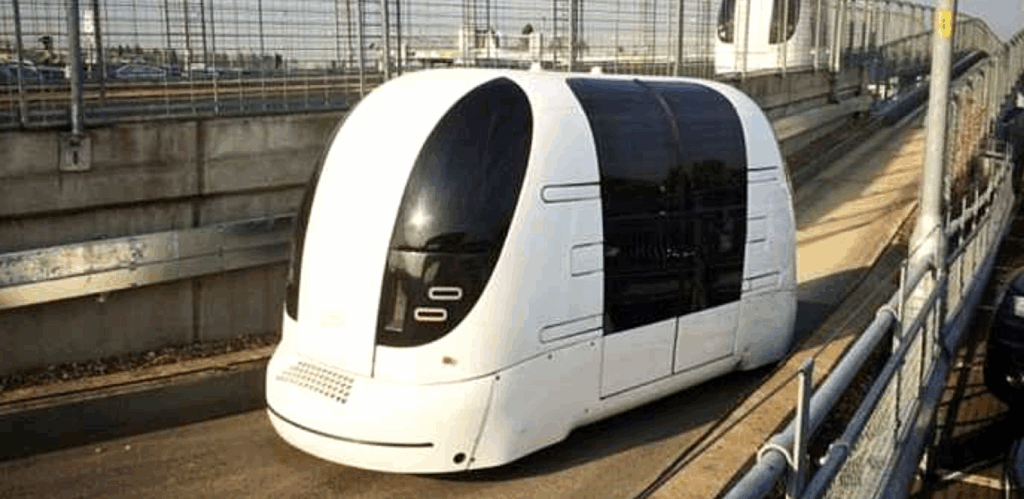
Hyderabad is taking a futuristic step toward transforming urban mobility with plans to introduce a driverless pod transit system. The proposed network aims to connect key commercial and IT hubs such as HITEC City, the Financial District, and major metro stations. The initiative is currently in the feasibility study stage, signaling the city’s intent to adopt cutting-edge transport solutions for growing urban demands.
Focus on Last-Mile Connectivity
One of the biggest challenges for metro systems is last-mile connectivity—getting commuters from stations to their final destinations. The proposed Personal Rapid Transit (PRT) system is designed to bridge this gap by linking metro corridors with nearby business districts, residential zones, and government hubs. Areas like Raidurg, Knowledge City, and Kukatpally are expected to be part of the initial network.
How the Pod System Will Work
The driverless pods will be small, automated electric vehicles operating on dedicated elevated tracks, independent of road traffic. Each pod is expected to carry 4–8 passengers and travel at speeds of up to 40 km/h. These pods will offer on-demand, point-to-point travel, reducing wait times and congestion while ensuring a smooth commuting experience. The system could handle up to 10,000 passengers per hour, making it viable for high-density corridors.
Public-Private Partnership Model
The project is likely to be developed under a Public-Private Partnership (PPP) model using a Design, Build, Finance, Operate, and Transfer (DBFOT) framework. Several consultancy firms have already submitted bids to conduct techno-economic feasibility studies and design plans. This approach ensures efficient execution while minimizing financial burden on the government.
A Step Towards Sustainable Smart Cities
The pod transit system is expected to be fully electric and environmentally friendly, aligning with global sustainability goals. By reducing reliance on private vehicles and easing traffic congestion in Hyderabad’s busy IT corridors, the project could significantly cut carbon emissions and travel time.
What This Means for Hyderabad
If implemented successfully, the driverless pod network could redefine how people commute in Hyderabad. It not only enhances metro accessibility but also positions the city as a leader in adopting smart mobility solutions in India. With rapid urbanization and increasing traffic challenges, such innovations are becoming essential for future-ready cities.