Gujarat has embarked on an ambitious urban transformation initiative with the launch of its ‘Wire-Free City’ mission. The project aims to eliminate the clutter of overhead utility cables that dominate city skylines and replace them with organized underground infrastructure. The move is expected to improve public safety, enhance the visual appeal of urban areas, and strengthen the state’s smart city ambitions.
Why Gujarat Is Going Wire-Free
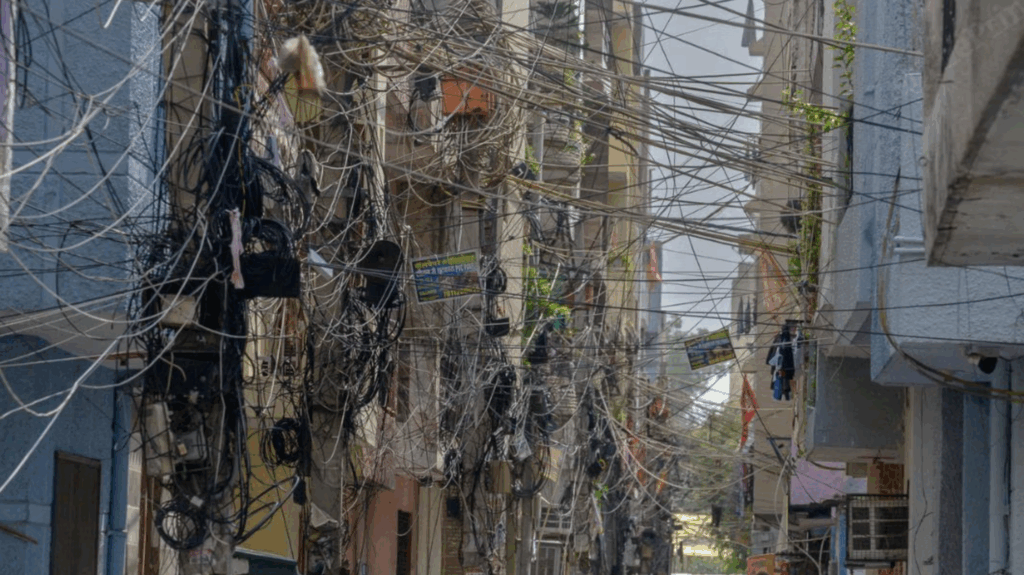
Over the years, rapid urbanization has led to a maze of electricity, telecom, internet, and cable television wires hanging across roads and residential neighborhoods. These overhead cables often create safety hazards, obstruct maintenance work, and negatively impact the appearance of cities.
The Gujarat government believes that moving these utilities underground will not only create cleaner and more organized urban spaces but also reduce the risk of accidents caused by falling wires during storms, heavy rainfall, or infrastructure failures.
How the Project Will Work
Under the Wire-Free City mission, municipal corporations and urban development authorities will work with utility providers to relocate critical infrastructure beneath the ground. Dedicated utility corridors are expected to house power cables, fiber-optic networks, communication lines, and other essential services.
The project will likely be implemented in phases, beginning with major roads, commercial districts, and high-density urban zones before expanding to residential areas. Authorities are also expected to coordinate with telecom operators, internet service providers, and electricity distribution companies to ensure smooth execution.
Benefits for Citizens and Cities
The most visible impact of the project will be cleaner streets and uncluttered skylines. However, the benefits extend beyond aesthetics. Underground utility networks are generally more reliable and less vulnerable to weather-related disruptions.
The initiative could also improve road safety by reducing the risks associated with exposed or damaged cables. Emergency maintenance and urban planning activities may become more efficient through centralized utility management systems.
Additionally, the project aligns with Gujarat’s broader smart city vision, which focuses on modern infrastructure, digital connectivity, and sustainable urban development.
A Step Toward Future-Ready Cities
As Indian cities continue to expand, managing urban infrastructure efficiently has become a critical challenge. Gujarat’s Wire-Free City mission represents a proactive effort to modernize utility networks while improving the quality of urban life.
If implemented successfully, the initiative could serve as a model for other states looking to upgrade aging infrastructure and create cleaner, safer, and more technologically advanced cities. The project reflects a growing shift toward future-ready urban planning that prioritizes both functionality and aesthetics.