Gold prices have witnessed a sharp correction, recording their biggest monthly decline since the global financial crisis of 2008. After touching record highs earlier this year, the precious metal has lost significant ground, prompting investors to ask an important question: Is this a temporary dip or a buying opportunity?
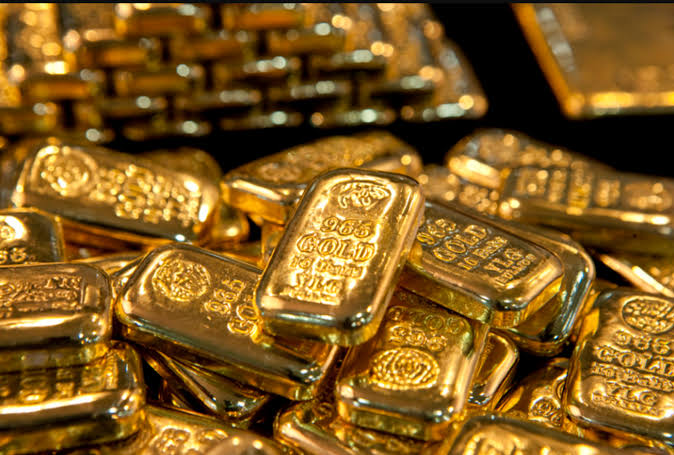
Gold Falls Over 26% From Peak Levels
Gold had surged to an all-time high of nearly ₹1.93 lakh per 10 grams on the Multi Commodity Exchange (MCX) earlier in 2026. However, prices have now dropped to around ₹1.42 lakh per 10 grams, representing a decline of more than 26% from peak levels. The latest correction has made headlines because it marks the steepest monthly fall in nearly 18 years.
The decline is not limited to India. International gold prices are also heading towards their worst monthly performance since October 2008.
Why Are Gold Prices Falling?
Several global factors are putting pressure on gold prices. The biggest reason is the expectation that the US Federal Reserve may continue raising interest rates to tackle inflation. Higher interest rates increase the appeal of interest-bearing assets and reduce demand for non-yielding assets like gold.
Another factor is the strengthening US dollar. Since gold is priced globally in dollars, a stronger dollar typically makes gold more expensive for international buyers, reducing demand and pushing prices lower.
Easing geopolitical tensions in certain regions have also reduced the urgency for investors to seek safe-haven assets such as gold.
Should Investors Buy the Dip?
Market experts believe the answer depends on upcoming economic data from the United States. If inflation continues to cool and labour market indicators weaken, gold prices could recover in the coming months. On the other hand, stronger-than-expected economic data could lead to further interest rate hikes and additional downside pressure.
For long-term investors, corrections often present opportunities to accumulate quality assets at lower prices. Gold continues to be viewed as a hedge against inflation, currency depreciation, and economic uncertainty. However, short-term volatility is likely to remain high.
What Lies Ahead?
While the recent decline has rattled investors, gold’s long-term investment appeal remains intact. The next direction for prices will largely depend on US inflation trends, Federal Reserve policy decisions, and global economic conditions.
Investors considering fresh purchases may benefit from a staggered investment approach rather than committing large amounts at once, helping manage risks while taking advantage of lower prices.