Milk is a staple in most Indian households, consumed daily by children and adults alike. However, concerns about milk adulteration continue to surface across the country. Unscrupulous suppliers sometimes add substances such as detergent, starch, water, or other chemicals to increase volume, improve texture, or mimic the appearance of pure milk. Such adulteration can pose serious health risks, making it important for consumers to verify the quality of the milk they consume.
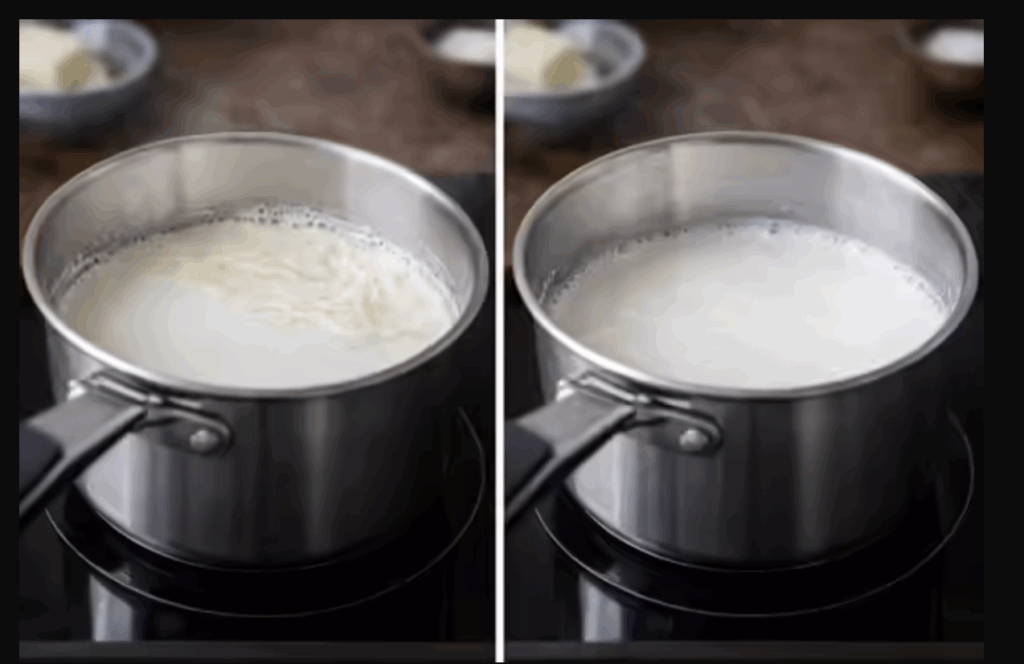
To help consumers identify adulterated milk, the Food Safety and Standards Authority of India (FSSAI) has shared simple home-based tests that can detect common contaminants without requiring specialised equipment. These quick checks can provide an initial indication of whether milk may have been tampered with.
How to Check for Detergent in Milk
Detergent is sometimes added to synthetic milk to create a thicker texture and produce a creamy appearance. Consuming detergent-contaminated milk can be harmful and may lead to digestive and health-related issues.
The Foam Test
FSSAI recommends a simple test that takes only a few seconds:
- Take 5 to 10 ml of milk in a transparent container.
- Shake it vigorously for a few seconds.
- Observe the bubbles and foam formation.
Pure milk may produce a small amount of foam naturally. However, if dense foam or excessive lather remains for a longer period, it could indicate the presence of detergent. Persistent froth is considered a warning sign of possible adulteration.
How to Detect Starch in Milk
Starch is often added to increase the thickness and consistency of milk. While starch itself may not always be harmful, its presence indicates that the milk has been adulterated.
The Iodine Test
To check for starch contamination:
- Boil 2-3 ml of milk with about 5 ml of water.
- Allow the mixture to cool completely.
- Add 2-3 drops of iodine solution.
If the milk turns blue, it indicates the presence of starch. If there is no significant colour change, the milk is likely free from starch adulteration. This test is widely recommended by food safety authorities for detecting starch-based impurities.
Other Common Milk Adulteration Tests
FSSAI also recommends additional household checks for identifying water and synthetic additives.
For water adulteration, place a drop of milk on a polished slanted surface. Pure milk flows slowly and leaves a white trail behind, while diluted milk runs down quickly without leaving a noticeable mark. Synthetic milk often produces excessive froth and may have an unusual soapy feel when rubbed between fingers.
Why Consumers Should Stay Alert
Milk adulteration remains a significant food safety concern in India. Authorities have uncovered several cases involving synthetic milk prepared using detergent, urea, and other harmful substances. Regular vigilance and simple home tests can help consumers identify suspicious products before consumption.
While these tests provide useful preliminary indications, any suspected adulteration should be reported to local food safety authorities. Purchasing milk from trusted brands and licensed vendors remains one of the best ways to ensure quality and safety.
Summary
FSSAI recommends simple home tests to detect common milk adulterants such as detergent and starch. The foam test can indicate detergent contamination, while the iodine test helps identify starch. Additional checks can reveal water dilution and synthetic additives. With milk adulteration remaining a concern, these quick household methods can help consumers make safer choices and identify suspicious products before consumption.