A proposed policy in the United States aims to replace the long-standing “Duration of Status (D/S)” system for international students and exchange visitors with fixed visa time limits.
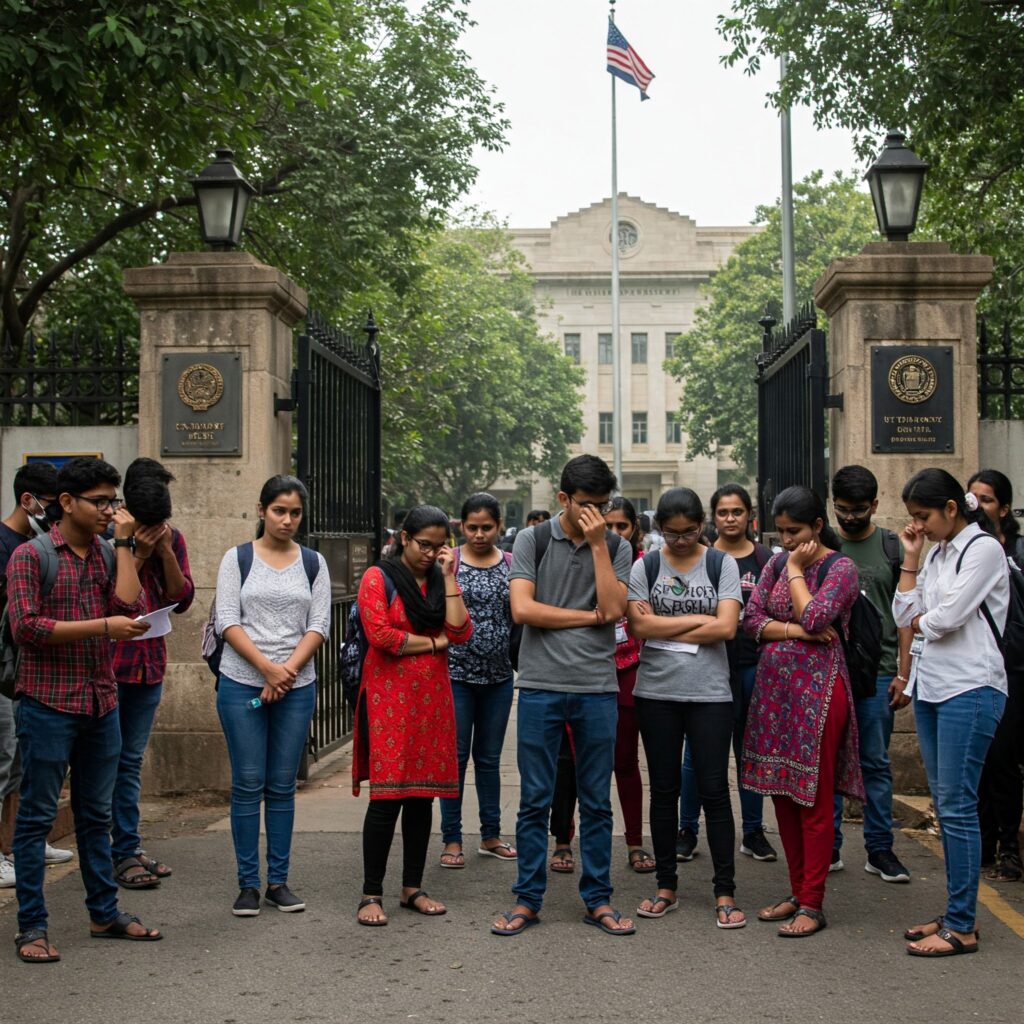
Currently, students on F-1 or J-1 visas can stay in the US as long as they are enrolled and compliant, without a strict expiry date.
The new proposal would instead impose clear end dates, typically capped at up to four years, after which extensions must be formally approved.
Why This Could Cause “Chaos”
Experts and universities warn that replacing D/S could create widespread disruption across the international education system.
1. Increased Bureaucracy
Students would now need to:
- File formal extension applications with US authorities
- Pay additional fees
- Provide documentation repeatedly
This adds significant administrative burden compared to the current system.
2. Risk of Legal Status Issues
Under the proposed rule:
- Visa expiry would be strictly enforced
- Overstaying could immediately trigger “unlawful presence”
This increases the risk of penalties—even for minor delays or administrative issues.
3. Reduced Flexibility for Students
The proposal also includes stricter academic rules:
- Limits on changing majors or institutions
- Restrictions on progressing between courses
- Shorter grace period after course completion (30 days instead of 60)
This could make academic planning more rigid and stressful.
Impact on Universities and Economy
Universities are expected to face:
- Higher compliance costs
- Increased administrative workload
- Potential drop in international student enrollment
Critics argue that the rule could discourage global talent from choosing the US, affecting research, innovation, and revenue.
Why the US Government Wants This Change
The Department of Homeland Security (DHS) says the rule aims to:
- Improve monitoring of visa holders
- Enhance national security
- Reduce misuse of student visas
The government believes fixed timelines will create greater accountability and oversight.
Not Final Yet
Importantly, this change is still a proposal—not a confirmed law.
- It was introduced in 2025
- Still under review in 2026
- No official implementation date yet
Students currently in the US are unlikely to be affected immediately.
The Bigger Picture
This proposal reflects a broader global trend:
- Stricter immigration controls
- More compliance-focused visa systems
- Balancing openness with security concerns
The Bottom Line
Replacing “Duration of Status” with fixed visa limits could fundamentally change how international students study in the US.
While aimed at improving oversight, critics warn it could create complexity, uncertainty, and disruption—potentially reshaping global student mobility.